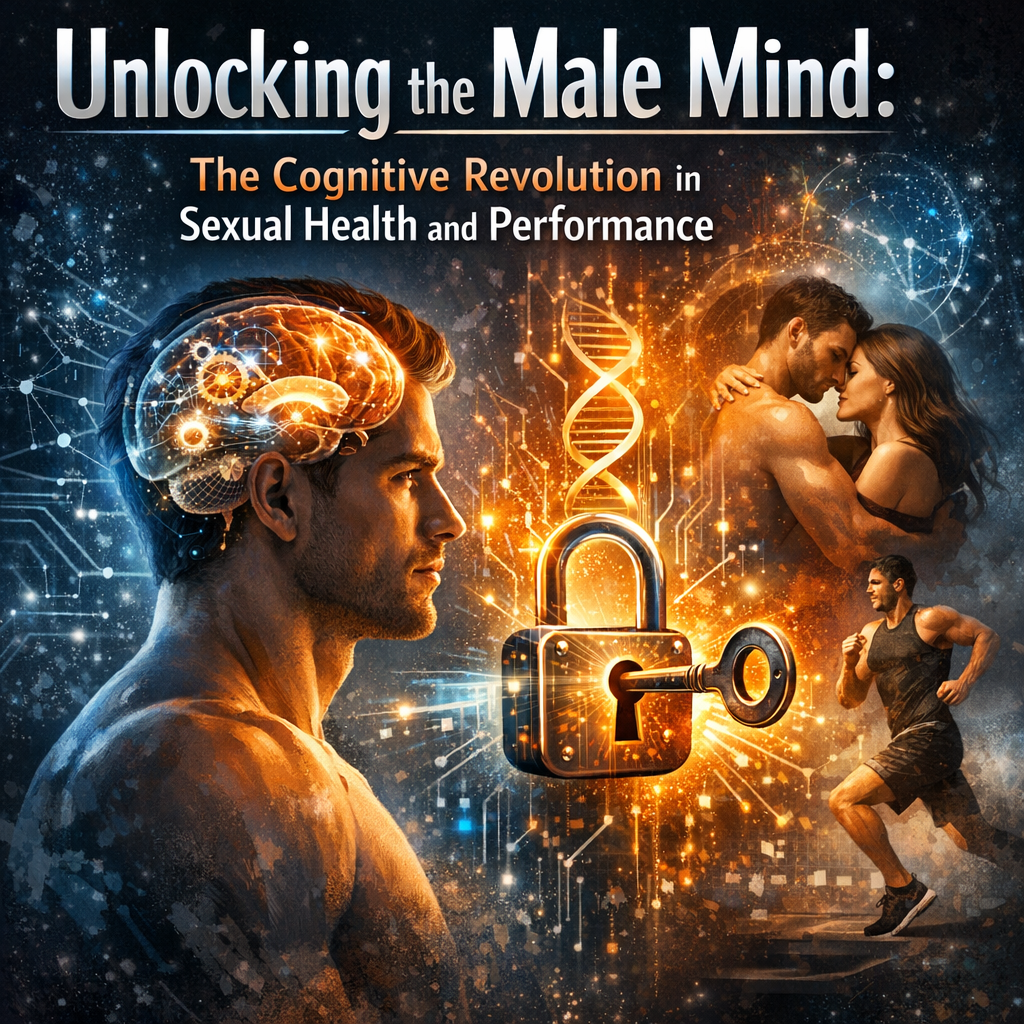
Unlocking the Male Mind: The Cognitive Revolution in Sexual Health and Performance
The mind holds immense power over our bodies, influencing everything from physical actions to emotional responses. Nowhere is this connection more apparent than in the realm of **sexual health and performance**. For men—from teenagers discovering their identities to elderly gentlemen seeking to maintain vitality—understanding the cognitive dimensions of sexual health can unlock new levels of wellness and satisfaction. Historically, discussions around male sexual health skewed towards physical aspects: anatomy, testosterone levels, and exercise routines. However, recent advances in psychology and neurology are shedding light on how mental processes significantly impact sexual function and performance.
The **cognitive revolution** in sexual health emphasizes the brain’s role in arousal, performance, and satisfaction. Mental health issues like **stress**, **anxiety**, and **depression** can hinder sexual performance just as much as physical ailments. Performance anxiety, for instance, is rooted largely in cognition; it’s a cycle of negative thoughts leading to self-doubt and manifesting in physical impediments such as **erectile dysfunction**. Conversely, a healthy mental state can enhance sexual experiences, increase libido, and improve performance.
This shift in understanding aligns with the broader movement towards holistic health. Medical professionals and therapists now look beyond traditional solutions — such as medication or surgery — to incorporate **cognitive behavioral therapy (CBT)**, mindfulness, and other psychologically-oriented treatments to improve sexual health. These therapies highlight the importance of a positive mental state and mental exercises to boost sexual performance and satisfaction.
Moreover, the way in which cognitive factors affect sexual health shifts over the course of a man’s life. Adolescents may face issues stemming from societal pressures or misinformation, leading to stress and performance challenges. Young adults and middle-aged males often deal with stress from careers, relationships, and family, which can spill into their sexual lives. In older adults, maintaining a keen cognitive focus on intimacy and sexual satisfaction presents its own hurdles, especially when facing health-related challenges.
Professional and Medical Studies
Research underscores the importance of cognition in sexual health. A study published in the **[Journal of Sexual Medicine](https://www.jsm.jsexmed.org/)** emphasized the role of mindfulness in enhancing male sexual performance. Participants who engaged in mindfulness training reported improved sexual functioning and satisfaction. This indicates that by focusing on the present, reducing self-criticism, and enhancing emotional regulation, individuals can overcome cognitive barriers to satisfying sexual performance.
**Cognitive behavioral therapy (CBT)** is particularly effective for combating performance anxiety and erectile dysfunction (ED). According to research in the **[British Journal of Urology International](https://bjui-journals.onlinelibrary.wiley.com/)**, CBT helped men with erectile dysfunction significantly improve their performance and overall satisfaction. CBT works by restructuring negative patterns of thinking that contribute to performance anxiety, thus relieving the associated cognitive burden.
Additionally, studies highlight the impact of neurochemical reactions in the brain during **arousal** and performance. The release of neurotransmitters like **dopamine** and **serotonin** during sexual activity is linked to feelings of pleasure and satisfaction. However, stress and mental health disorders can disrupt these chemical processes. Research published by **[Psychiatry Research](https://www.journals.elsevier.com/psychiatry-research)** highlights how depression dampens sexual motivation and arousal by altering these neurotransmitter pathways.
The brain’s function in regulating hormones is also critical. Mental stress can lead to hormonal imbalances, particularly in **testosterone**, which is pivotal for male sexual health. According to the **[Endocrine Society](https://www.endocrine.org/)**, chronic stress reduces testosterone levels, thereby reducing libido and affecting performance.
These findings usher in a new era where psychology and neurology collaborate with traditional urological and endocrinological approaches to create a comprehensive framework for improving male sexual health. Understanding and harnessing the cognitive aspects of sexual performance offer a modern approach to age-old challenges.
Conclusion
Unlocking the male mind’s capacity to revolutionize sexual health and performance is no longer a fringe idea but a burgeoning evidence-supported reality. By integrating mental health practices and cognitive insights into the conversation, males from teenage years to their nineties can overcome the myriad psychological obstacles to achieving sexual satisfaction and fulfillment. Professional studies corroborate that mental exercises, mindful awareness, and cognitive restructuring are not just beneficial but essential in advancing a holistic approach to male sexual health.
As society continues to embrace the interconnectedness of body and mind, men are empowered to address sexual health from all angles, benefiting personally and within their intimate relationships. Moving forward, continuing research and open dialogue around the cognitive aspects of sexual health promise to pave the way for enhanced well-being, reshaping how sexual health is perceived and pursued.
Summary
The cognitive revolution in male sexual health highlights the brain’s crucial role in arousal and performance, emphasizing a mental approach alongside physical treatments. Research underlines cognitive therapies like CBT and mindfulness as effective against anxiety-related issues, such as erectile dysfunction. Neurochemical reactions and hormonal balance, affected by stress and mental health, are pivotal in sexual performance. Integrating psychology with traditional medical approaches forms a comprehensive framework for male sexual wellness across all ages, promising improved satisfaction and challenging traditional perceptions of sexual health.

Dominic E. is a passionate filmmaker navigating the exciting intersection of art and science. By day, he delves into the complexities of the human body as a full-time medical writer, meticulously translating intricate medical concepts into accessible and engaging narratives. By night, he explores the boundless realm of cinematic storytelling, crafting narratives that evoke emotion and challenge perspectives. Film Student and Full-time Medical Writer for ContentVendor.com