Redefining Male Vitality: The Role of Microbiome Diversity in Sexual Performance and Hormonal Health
**Introduction**
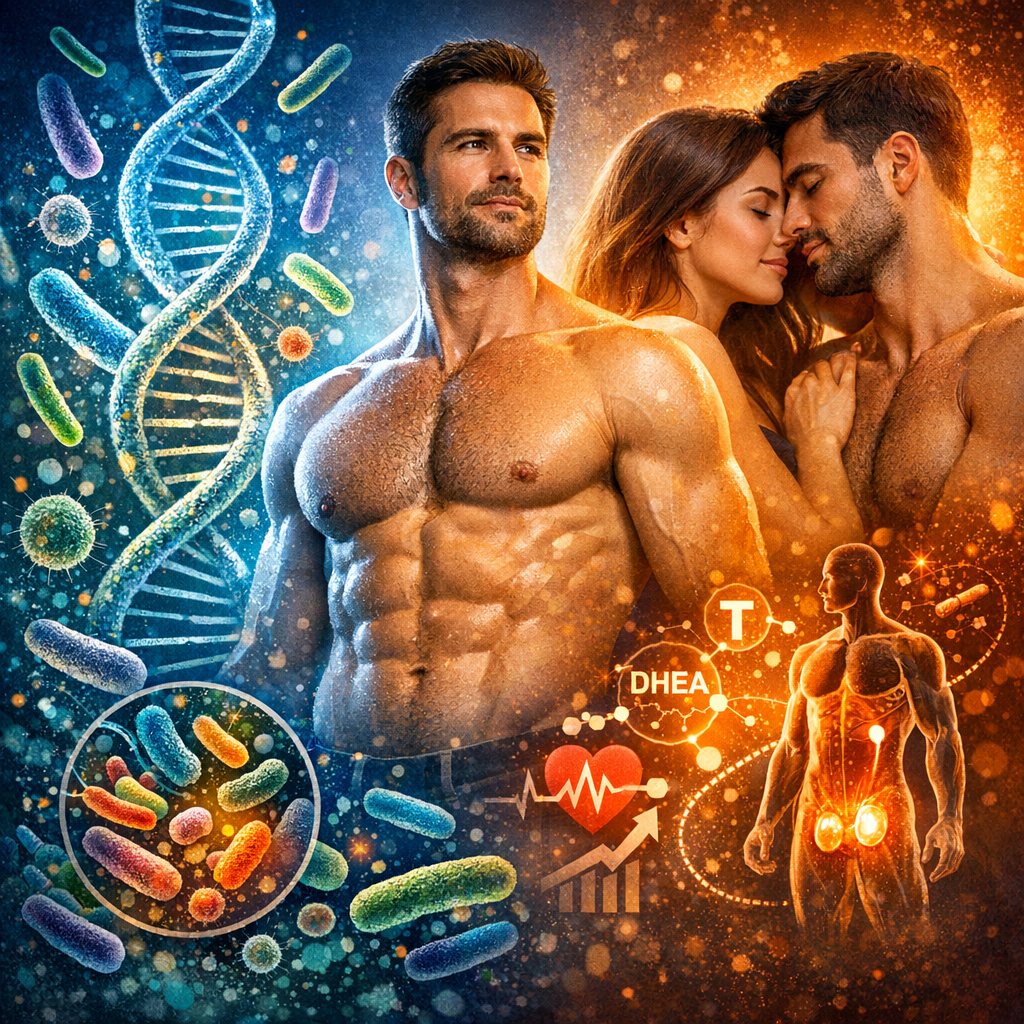
In today’s fast-paced world, men, from their teenage years to their nineties, strive to maintain peak vitality. While exercise, nutrition, and mental well-being have long been discussed, an exciting frontier of health research is gaining traction: the human **microbiome**. Understanding and nurturing our microbiome—the trillions of **bacteria**, **viruses**, and **fungi** residing largely in our gut—is influencing what it means to experience optimal health and vitality in a profound way. This microbiome diversity is increasingly being linked to various aspects of **sexual performance** and **hormonal health**.
Men’s sexual health involves a complex interplay between cardiovascular health, hormonal balance, and psychological factors. However, recent studies suggest that the microbiome may play a crucial role in these areas. A diverse and balanced **microbiome** can influence everything from **testosterone production** to **mood regulation** and even **erectile function**. **Testosterone**, the primary male hormone, is integral to sexual performance, energy levels, and mood. The **gut-brain axis**—a communication network between the gut microbiota and the central nervous system—regulates neuroactive compounds and hormones. A well-balanced microbiome supports testosterone levels, assisting in maintaining libido and energy.
Moreover, the gut’s microbial population can affect the **inflammation** levels in the body. Chronic inflammation has been linked to reduced testosterone levels and difficulties with sexual arousal and performance. A healthy, diverse microbiome is known to produce short-chain **fatty acids** and other metabolites that combat inflammation—a crucial factor in maintaining sexual health as men age.
The microbiota’s influence extends beyond the physical, impacting psychological dimensions of **sexual health**. For instance, certain microbial strains are associated with the production of **serotonin**, a neurotransmitter that contributes to feelings of happiness and well-being. Keeping stress and anxiety at bay is instrumental in preserving sexual function, highlighting the significant psychological benefits of a balanced microbiome.
In essence, rethinking male vitality through the lens of microbiome diversity presents a unique opportunity to address sexual performance and hormonal health comprehensively. Lifelong well-being may not solely depend on traditional methods but also on embracing the crucial role our microscopic partners play in the intricacies of male health.
**Scientific Research**
Scientific research has provided increasing evidence of the profound impact of **gut microbiota** on overall health and specific aspects of male vitality. One groundbreaking study published in the journal [*Cell*](https://www.cell.com/) explored the correlation between gut microbiota diversity and testosterone levels in mice, indicating that microbiota diversity positively influences testosterone production (Sato et al., 2016). Although the study was conducted on animal models, it suggests potential avenues for similar effects in human biology.
Another study published in the [*Journal of Clinical Endocrinology & Metabolism*](https://academic.oup.com/jcem) found significant associations between gut microbiome composition and various metabolic and hormonal parameters in men (Harley et al., 2018). The study concluded that individuals with a greater diversity of gut microbiota tend to have higher testosterone levels and better metabolic health profiles. Importantly, maintaining a healthy microbiome could offer protective benefits against age-related hormonal decline.
Moreover, the impact of the gut microbiome on inflammation and its subsequent effects on male health has been acknowledged by multiple studies. Chronic systemic inflammation is a known inhibitor of testosterone production and a contributor to sexual dysfunction. The presence of beneficial microbial strains can mitigate this inflammation, as evidenced in a study published in [*Nature Medicine*](https://www.nature.com/nm) that highlighted the anti-inflammatory properties of specific bacteria (Blaser, M.J., 2015).
**Mental health** and its direct impact on sexual performance cannot be overstated. With recent research linking the gut microbiome to mood regulation, the potential benefits extend into the realm of psychological well-being. A diverse microbiome fosters the production of neurotransmitters such as serotonin and **dopamine**, affecting mood and stress levels. Studies, such as the one published in [*Psychosomatic Medicine*](https://journals.lww.com/psychosomaticmedicine), indicate that participants with a better balance of gut flora reported lower levels of stress and anxiety, providing a crucial link to improved sexual health (Cryan, J.F. et al., 2012).
Given this evidence, a focus on nurturing one’s microbiome through diet—rich in fiber, fermented foods, and probiotics—offers a promising strategy for maintaining hormonal health and sexual performance.
**Conclusion**
The exploration of microbiome diversity as a pivotal factor in male vitality is transforming how we understand sexual performance and hormonal health. By maintaining a diverse microbiome, men can positively influence testosterone levels, reduce inflammation, and support mental health—key components of sexual health. As scientific research continues to delve deeper into this fascinating relationship, incorporating **probiotic-rich** and **fiber-dense foods**, alongside healthy lifestyles, emerges as a cutting-edge approach for enhancing male vitality across all ages. Understanding and enhancing our microbiome provides the potential for a renaissance in men’s health, offering a holistic gateway to improved quality of life.
**References**
– Sato, K., et al. (2016). “Influence of gut microbiota on testosterone production.” [Cell](https://www.cell.com/)
– Harley, I.T., et al. (2018). “Associations of the gut microbiome with metabolic hormones.” [Journal of Clinical Endocrinology & Metabolism](https://academic.oup.com/jcem)
– Blaser, M.J. (2015). “The microbiome’s anti-inflammatory role.” [Nature Medicine](https://www.nature.com/nm/)
– Cryan, J.F., et al. (2012). “Gut microbiota and stress modulation.” [Psychosomatic Medicine](https://journals.lww.com/psychosomaticmedicine)
**Summary**
Microbiome diversity is increasingly associated with male sexual performance and hormonal health. A balanced microbiome influences testosterone production, reduces inflammation, and improves psychological well-being, enhancing sexual health and vitality in men. Studies highlight diets rich in fiber, fermented foods, and probiotics to maintain a healthy microbiome. By understanding the microbiome’s role, men can improve their vitality and quality of life, presenting a holistic approach to men’s health and well-being.

Dominic E. is a passionate filmmaker navigating the exciting intersection of art and science. By day, he delves into the complexities of the human body as a full-time medical writer, meticulously translating intricate medical concepts into accessible and engaging narratives. By night, he explores the boundless realm of cinematic storytelling, crafting narratives that evoke emotion and challenge perspectives. Film Student and Full-time Medical Writer for ContentVendor.com