Why “Menopause for Men” is the Missing Key to Unlocking Male Vitality and Longevity
Introduction
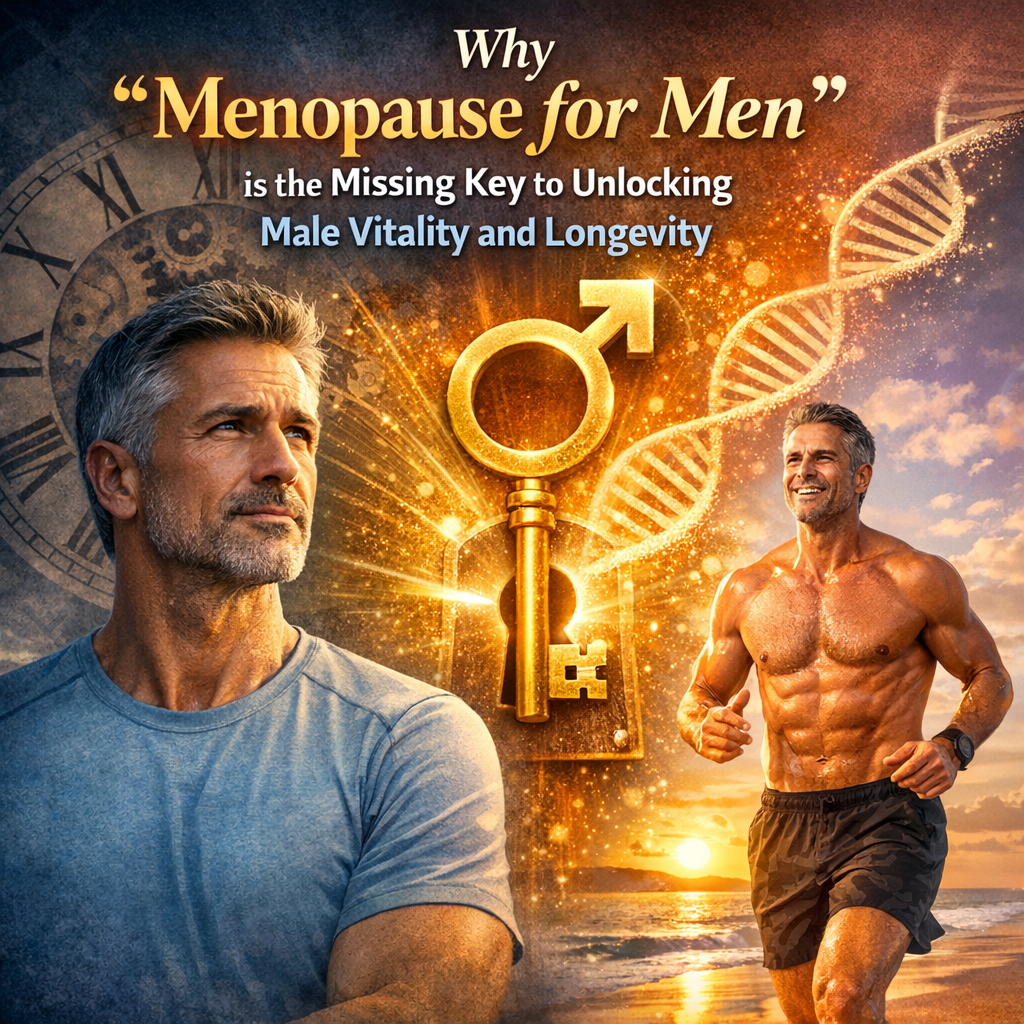
In recent years, the conversation surrounding **men’s health** has evolved to include topics that were once overlooked or stigmatized. Among these is the concept of “andropause,” often referred to as “**male menopause**.” While **menopause** in women is a well-recognized and documented phase of life, the equivalent in men has yet to gain the same level of attention. However, understanding andropause could be crucial for promoting **vitality and longevity** in men, especially as they age. This concept revolves around the gradual decline in **testosterone** levels, typically beginning in a man’s late 30s and becoming more pronounced in the 50s or 60s. The result? A series of physiological and psychological shifts that can affect overall health and quality of life.
These changes manifest in various ways, including reduced libido, increased body fat, decreased muscle mass, and changes in mood and energy levels. For many men, these symptoms can be confusing, as they don’t align with the cultural expectation of perpetual virility and strength. However, acknowledging these changes as a natural part of aging can empower men to take proactive steps in managing their health.
The problem, though, begins with the lack of awareness and open dialogue about **andropause**. The stigma associated with hormonal changes in men prevents many from seeking help or even acknowledging that they might be experiencing them. This cultural silence impedes necessary medical discussions and interventions that could significantly enhance the quality of life as men age.
Understanding this phenomenon and integrating it into discussions about **men’s health** could prove revolutionary. Much like how the recognition of menopause has paved the way for targeted therapies and lifestyle adaptations for women, acknowledging andropause could lead to better health outcomes for men. From lifestyle changes and dietary interventions to medical treatments like **hormone replacement therapy**, a wealth of solutions is available for men willing to address this phase of life head-on.
By opening up the conversation and understanding the biological underpinnings and symptoms of male menopause, men can unlock the potential for enhanced vitality and longevity, ultimately leading to healthier and more fulfilling lives.
Features
Various studies have explored the decline in **testosterone levels** and its implications for men’s health. Research suggests that testosterone levels can decrease by about 1% per year after the age of 30. This reduction can have significant repercussions on physical health, mental well-being, and overall quality of life.
One key study, published in the [British Medical Journal](https://www.bmj.com/), highlights the direct correlation between low testosterone levels and an increased risk of chronic illnesses such as cardiovascular disease, osteoporosis, and type 2 diabetes. The study indicates that testosterone is crucial for the regulation of **fat metabolism**, **insulin sensitivity**, and muscle-to-fat ratio, making its decline a pivotal factor in the onset of these health issues.
Further research from the [Journal of Clinical Endocrinology & Metabolism](https://academic.oup.com/jcem) reinforces the psychological impact of this hormonal shift. It notes that men experiencing andropause often face increased levels of anxiety, irritability, and even depression. Such findings underline the importance of addressing mental health alongside physical well-being as testosterone levels wane.
Medical interventions, including **testosterone replacement therapy** (TRT), have been explored with varying degrees of success. TRT can effectively mitigate some symptoms of andropause, such as improved energy levels, mood, and muscle mass. However, it is also associated with certain risks, such as exacerbating existing prostate conditions and potential cardiovascular issues. A 2013 study in the [Journal of the American Medical Association (JAMA)](https://jamanetwork.com/journals/jama) explores these controversies and calls for personalized approaches that weigh benefits against risks.
On the non-medical front, lifestyle modifications are equally emphasized. Regular physical activity, a balanced diet rich in omega-3 fatty acids, and sufficient sleep have been shown to partially alleviate symptoms of low testosterone. Combined with stress management techniques and support from mental health professionals, these strategies create a holistic approach to managing andropause effectively.
By considering the wealth of professional and medical research available, it’s clear that recognizing and addressing andropause is not just beneficial but necessary for promoting masculine health and longevity.
Conclusion
Incorporating the concept of “male menopause” into discussions about men’s health represents a significant step forward in breaking down barriers that have long restricted open dialogue about hormonal changes in men. **Andropause** is a legitimate biological process that can significantly affect men’s physical and mental health. By understanding its symptoms and implications, and by applying a mix of medical and lifestyle interventions, men can effectively navigate this stage of life, preserving their vitality and enhancing their longevity.
Ultimately, acknowledging this phase is empowering. It allows men to reclaim agency over their health at any age, promoting a holistic approach that combines the best of medical science and lifestyle management. As awareness grows and more men are encouraged to engage actively with their health challenges, the narrative around male aging is poised to change — for the better.
Concise Summary
The concept of “andropause” or “male menopause” is gaining attention as a crucial aspect of men’s health, reflecting gradual testosterone decline in aging men. This hormonal shift impacts physical and mental well-being, with symptoms like reduced libido and increased anxiety. Medical and lifestyle interventions can mitigate these effects, promoting vitality and longevity. Addressing andropause breaks stigmas, empowering men to take control of their health. Studies, including those from the [British Medical Journal](https://www.bmj.com/) and [Journal of Clinical Endocrinology & Metabolism](https://academic.oup.com/jcem), support understanding this phase for better health outcomes.

Dominic E. is a passionate filmmaker navigating the exciting intersection of art and science. By day, he delves into the complexities of the human body as a full-time medical writer, meticulously translating intricate medical concepts into accessible and engaging narratives. By night, he explores the boundless realm of cinematic storytelling, crafting narratives that evoke emotion and challenge perspectives. Film Student and Full-time Medical Writer for ContentVendor.com