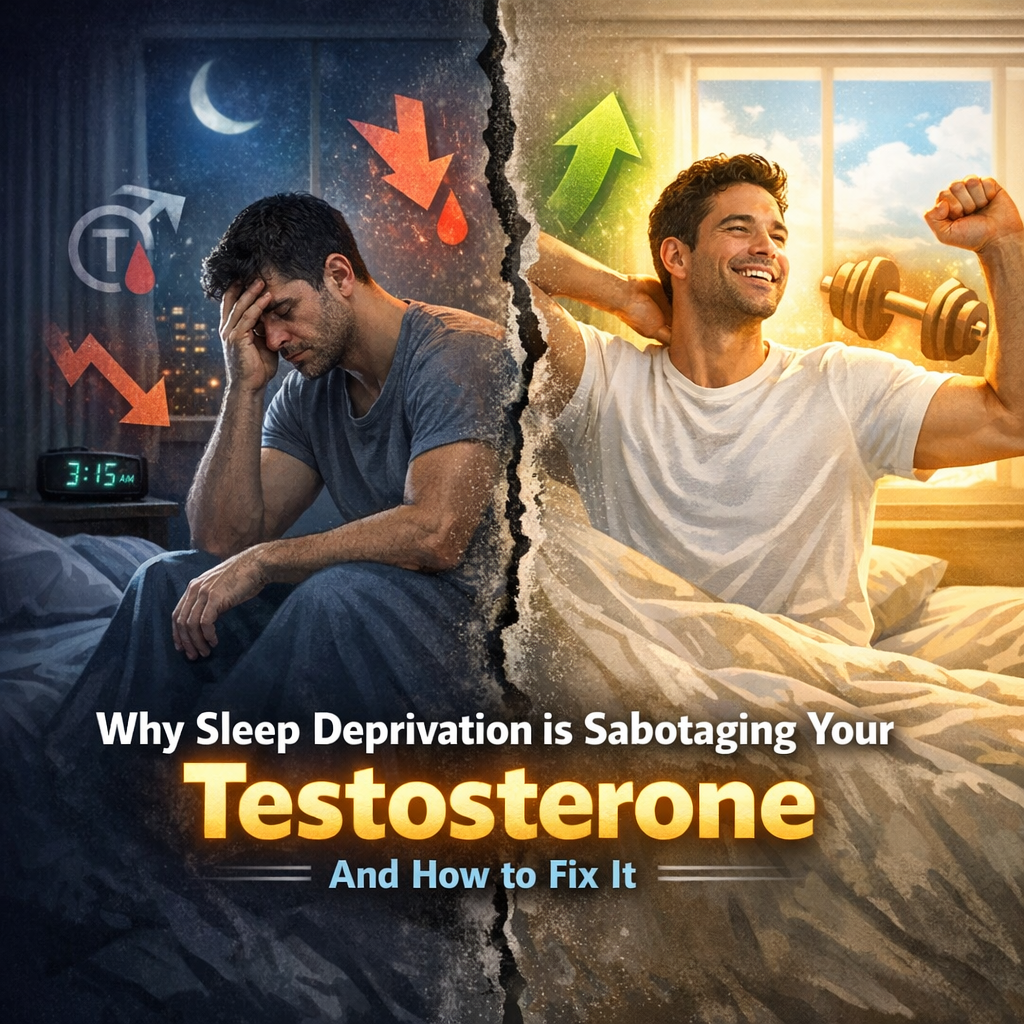
Why Sleep Deprivation is Sabotaging Your Testosterone and How to Fix It
In our fast-paced, always-on world, **sleep** often takes a backseat to work, socializing, and screen time. However, for millions of men, particularly those in their teens through their 90s, neglecting restful **slumber** can have more severe consequences than they might realize. One of the most insidious victims of sleep **deprivation** is **testosterone**—a vital hormone that plays a crucial role in maintaining **muscle mass**, **bone density**, **red blood cell levels**, and even **mood stability**. Without adequate sleep, your body may struggle to produce the testosterone levels needed to keep you feeling and looking your best.
**Testosterone** is the powerhouse hormone that many associate with masculinity, affecting aspects ranging from physical energy, libido, mood, and even cognition. However, when sleep patterns are consistently disrupted, testosterone levels can dip, leading to symptoms such as fatigue, irritability, decreased strength and endurance, and lowered libido. Missed sleep does more than just change your day; it sets off a ripple effect throughout your body’s biological systems, diminishing testosterone production and efficacy.
Understanding the mechanics behind this is key. During deep sleep—particularly during REM (rapid eye movement) stages—the body produces the bulk of its daily testosterone output. Skimping on **sleep**, particularly stages of deep sleep, significantly cuts short this production time, directly impacting the body’s testosterone levels. A consistent sleep deficit can lead to chronic hormonal imbalances, manifesting in various negative health impacts over time.
Recent societal trends have exacerbated these challenges; with the omnipresence of digital devices, our screens often interfere with our natural **sleep cycles**. Blue light emitted from **smartphones** and **computers** can disrupt circadian rhythms and decrease melatonin production, the hormone responsible for regulating **sleep-wake cycles**. The result? Shortened sleep cycles that do not allow for adequate **testosterone production**—a challenge that can compound over time.
Features
An array of professional and medical studies highlight the significant impact of sleep deprivation on testosterone levels. A study published in the Journal of the American Medical Association (JAMA) found that just one week of sleep restriction (an average of five hours per night) resulted in a whopping 10-15% reduction in daytime testosterone levels in healthy young men. This decline is comparable to aging 10 to 15 years, underscoring the vital importance of sleep for hormonal health.
Furthermore, research from the University of Michigan suggested that not getting enough sleep could lead to a significant reduction in the tranquilizer-like effects that sleep has on the amygdala—the critical component for mood regulation. A dysregulated amygdala due to inadequate sleep could lead to increased stress and anxiety levels, both of which are capable of further reducing testosterone production.
The link between sleep and testosterone underscores the biopsychosocial model of sleep health. Psychologically and socially, when overwhelmed by responsibilities or stressors, sleep is often sacrificed to make room for other priorities. However, understanding the biological ramifications—particularly on hormones as foundational as testosterone—can help men re-prioritize sleep hygiene as a necessary component of their overall health and wellness strategy.
Additionally, technology’s incursion into our bedrooms compounds this challenge. The blue light emitted from gadgets has been shown to hinder melatonin production, disrupting circadian rhythms and delaying REM sleep where significant hormonal synthesis occurs. Consistent exposure can inhibit restful sleep, curbing testosterone production and setting off a cascade of hormonal imbalances. The implications are clear: prioritizing quality sleep is not merely about feeling refreshed, but sustaining fundamental hormonal health.
Conclusion
**Sleep deprivation** and **testosterone deficiency** are integrally connected, both compounding and feeding into each other in a relentless cycle that can significantly impact various dimensions of a man’s health. While societal expectations and technology trends push individuals towards longer waking hours, it’s crucial to recognize the indelible value of sleep—not just for immediate restfulness but for critical hormonal balance. By prioritizing sleep health through good sleep hygiene practices like reducing screen time before bed, maintaining a consistent sleep schedule, and creating a conducive sleep environment, men can enhance their testosterone production, resulting in better health outcomes across the board.
Remember, proactive steps taken towards improving sleep not only boost your energy and mood but also strengthen your body’s physiological resilience against the pressures of modern life. Prioritize those nightly hours and realign your body’s natural rhythms—you might just find a more energetic, balanced, and healthier version of yourself waiting on the other side.
**Concise Summary**
Sleep deprivation significantly impacts testosterone production in men, leading to symptoms like fatigue, irritability, and decreased libido. Disrupted sleep patterns, especially a lack of REM stages, contribute to hormonal imbalances. Modern challenges like screen time further exacerbate these issues by disrupting circadian rhythms. Studies highlight a marked reduction in testosterone levels with insufficient sleep, akin to aging prematurely. To counteract this, prioritizing sleep through good sleep hygiene—such as reducing screen exposure and maintaining a consistent sleep schedule—can significantly improve hormonal health and overall well-being. Prioritize sleep for better health outcomes.

Dominic E. is a passionate filmmaker navigating the exciting intersection of art and science. By day, he delves into the complexities of the human body as a full-time medical writer, meticulously translating intricate medical concepts into accessible and engaging narratives. By night, he explores the boundless realm of cinematic storytelling, crafting narratives that evoke emotion and challenge perspectives. Film Student and Full-time Medical Writer for ContentVendor.com