Unmasking the Hidden Epidemic: How Societal Pressures Silently Erode Men’s Health and Performance
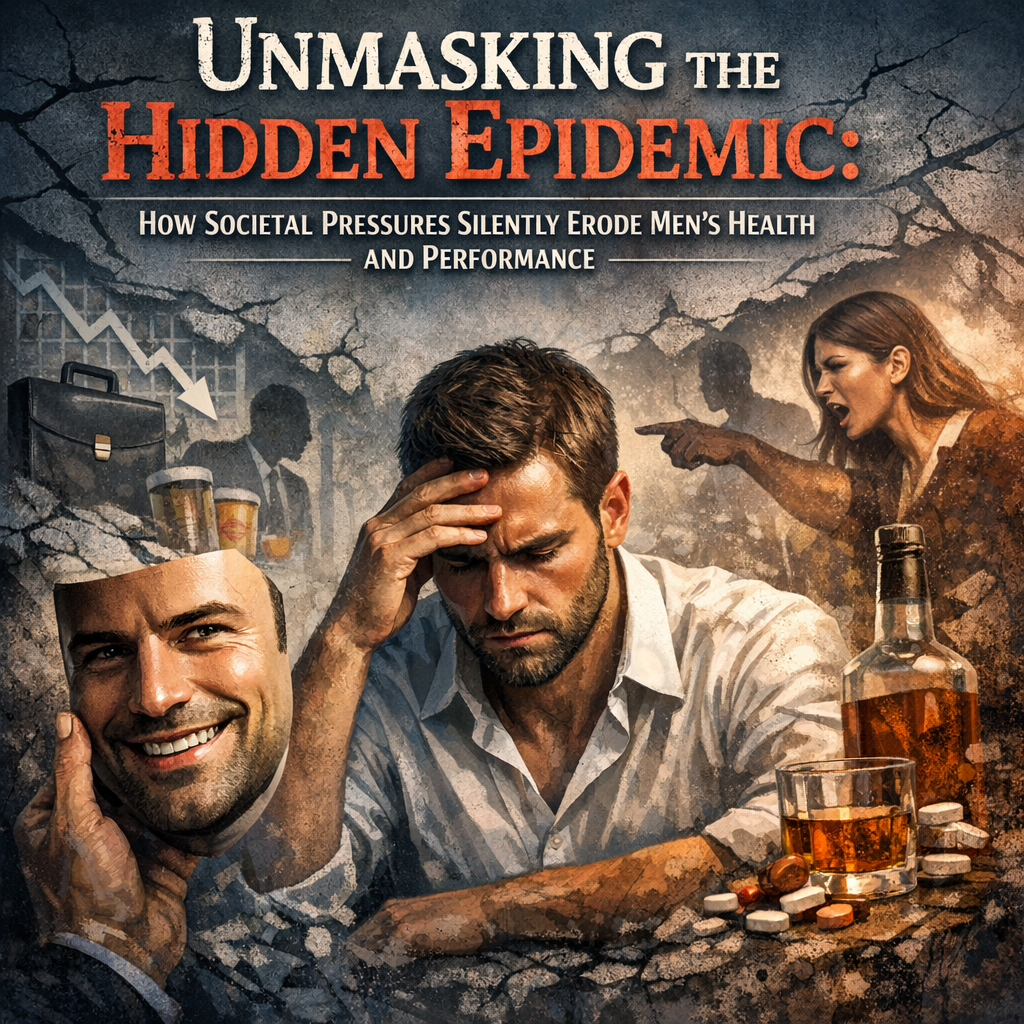
In an era where societal expectations and norms heavily dictate behavior and self-perception, **men’s health** emerges as a critical topic often overshadowed by silence and misunderstanding. From teenage years to the golden 90s, males across the **United States** navigate a complex landscape marked by persistent pressures to conform. These pressures, often subtle, insidiously permeate various facets of life, affecting mental and physical health in ways that are not immediately apparent. While cultural expectations serve pivotal roles in societal cohesion, they can also become detrimental when they evolve into rigid molds that undermine authentic **self-expression** and well-being.
Men, in particular, contend with rugged stereotypes of **masculinity** that dictate a limited range of acceptable emotions and behaviors. From a young age, boys are often taught to “be tough,” “handle their problems,” and “avoid vulnerability.” These learned behaviors manifest in adulthood as an ongoing reluctance to seek help, discuss emotions, or acknowledge personal challenges, ultimately compromising their health and performance. The popular adage “big boys don’t cry” encapsulates this damaging narrative, leading many men to internalize stress and anxiety rather than address and resolve it.
The impact of these pressures extends beyond emotional health and infiltrates **physical well-being**. Chronic stress and suppressed emotions can contribute to numerous health issues, including **hypertension**, **heart disease**, and impaired immune function. Moreover, societal standards influence **body image** perceptions, encouraging unhealthy dietary practices and exercise extremes as men strive for an elusive ideal physical form. The intersection of these societal pressures not only affects current generations but also perpetuates cycles of behavior that influence future fathers, sons, and brothers.
As we deconstruct the hidden epidemic of societal pressure on men’s health, it is vital to recognize the intrinsic link between mental well-being and physical performance. Understanding the subtle ways in which cultural expectations shape health outcomes allows us to create more inclusive narratives that promote resilience, acceptance, and holistic wellness. Ultimately, unmasking this silent epidemic is a crucial step towards empowering men to transcend the limiting confines of societal stereotypes, embracing a more authentic self that fosters lasting health and robust performance.
Features of Societal Pressures on Men’s Health
Recent professional and medical studies illuminate the profound impact of societal pressures on men’s **health** and performance. The research demonstrates how cultural norms and societal expectations contribute significantly to health disparities and behavioral setbacks among men.
For instance, a study published in the **American Journal of Men’s Health** highlights how traditional masculinity ideologies can negatively affect mental health outcomes. According to the authors, adherence to rigid masculine norms correlates with increased rates of **depression**, **anxiety**, and substance abuse among men. The reluctance to seek psychological help is exacerbated by the stigma surrounding mental health issues—a direct consequence of pervasive societal attitudes about masculinity.
Furthermore, a large-scale study conducted by the **National Institute of Mental Health** found that men are less likely to report psychological distress and are more inclined to underreport symptoms, largely due to the fear of being perceived as weak or vulnerable. This contributes to a vicious cycle wherein untreated conditions worsen over time, severely impacting quality of life and professional performance.
In terms of physical health, research underscores the connection between societal pressures and harmful health behaviors. A comprehensive study featured in the **Journal of Health and Social Behavior** examined the impact of body image issues on men’s health practices. The findings revealed that men subjected to constant societal pressure to maintain ideal physiques are more prone to engage in extreme dieting, excessive workout regimens, and even the misuse of performance-enhancing drugs. These practices not only pose immediate health risks but also foster long-term complications that can shorten lifespan.
Additionally, the **American Psychological Association** has emphasized the role of societal pressure in fostering unhealthy competition and aggressive striving for achievements. This often leads to chronic stress, which diminishes **immune function** and increases susceptibility to chronic illnesses like **cardiovascular disease**.
The collective insights from these professional and medical studies underscore the pervasive influence that societal pressures exert on men’s health. By acknowledging these issues, healthcare providers, policymakers, and society at large can begin to address the harmful stereotypes and promote a more supportive environment conducive for men to seek help and adopt healthier habits.
Conclusion
Addressing the hidden epidemic of societal pressures on men’s health requires a comprehensive approach focused on dismantling harmful stereotypes and encouraging open dialogue. Empowering men to express vulnerability and seek help can significantly improve both mental and physical health outcomes. By promoting positive narratives around masculinity and expanding the scope of acceptable behaviors and emotions, society can reduce the burden of stigma and foster environments that celebrate diversity in male identities. In doing so, we can pave the way for healthier generations where men feel empowered to prioritize their well-being and abilities—free from the constraints of societal pressures. Awareness and education are key, and as more people recognize the silent epidemic’s impact, we can collectively steer towards a future where men thrive in authenticity and resilience.
References
1. **American Journal of Men’s Health**. “Traditional Masculinity and Mental Health.” [Link to study](https://journals.sagepub.com/home/jmh)
2. **National Institute of Mental Health**. “Men and Mental Health.” [Link to resource](https://www.nimh.nih.gov/health/topics/men-and-mental-health)
3. **Journal of Health and Social Behavior**. “Body Image and Health Behaviors in Men.” [Link to study](https://journals.sagepub.com/loi/jhs)
4. **American Psychological Association**. “Societal Pressures and Men’s Health.” [Link to resource](https://www.apa.org/news/press/releases/stress/2016/mens-health)
Concise Summary
Societal pressures significantly impact men’s health, promoting harmful stereotypes that discourage emotional expression and seeking help. These pressures contribute to mental health issues and risky physical behaviors, perpetuating a cycle of poor health. Studies show adherence to rigid masculinity correlates with increased rates of depression and anxiety. Addressing these societal norms can improve mental and physical outcomes, empowering men to embrace a broader scope of emotions and behaviors. Raising awareness and dismantling harmful stereotypes will foster environments where men feel valued beyond traditional masculine ideals, leading to healthier, more resilient individuals.

Dominic E. is a passionate filmmaker navigating the exciting intersection of art and science. By day, he delves into the complexities of the human body as a full-time medical writer, meticulously translating intricate medical concepts into accessible and engaging narratives. By night, he explores the boundless realm of cinematic storytelling, crafting narratives that evoke emotion and challenge perspectives. Film Student and Full-time Medical Writer for ContentVendor.com