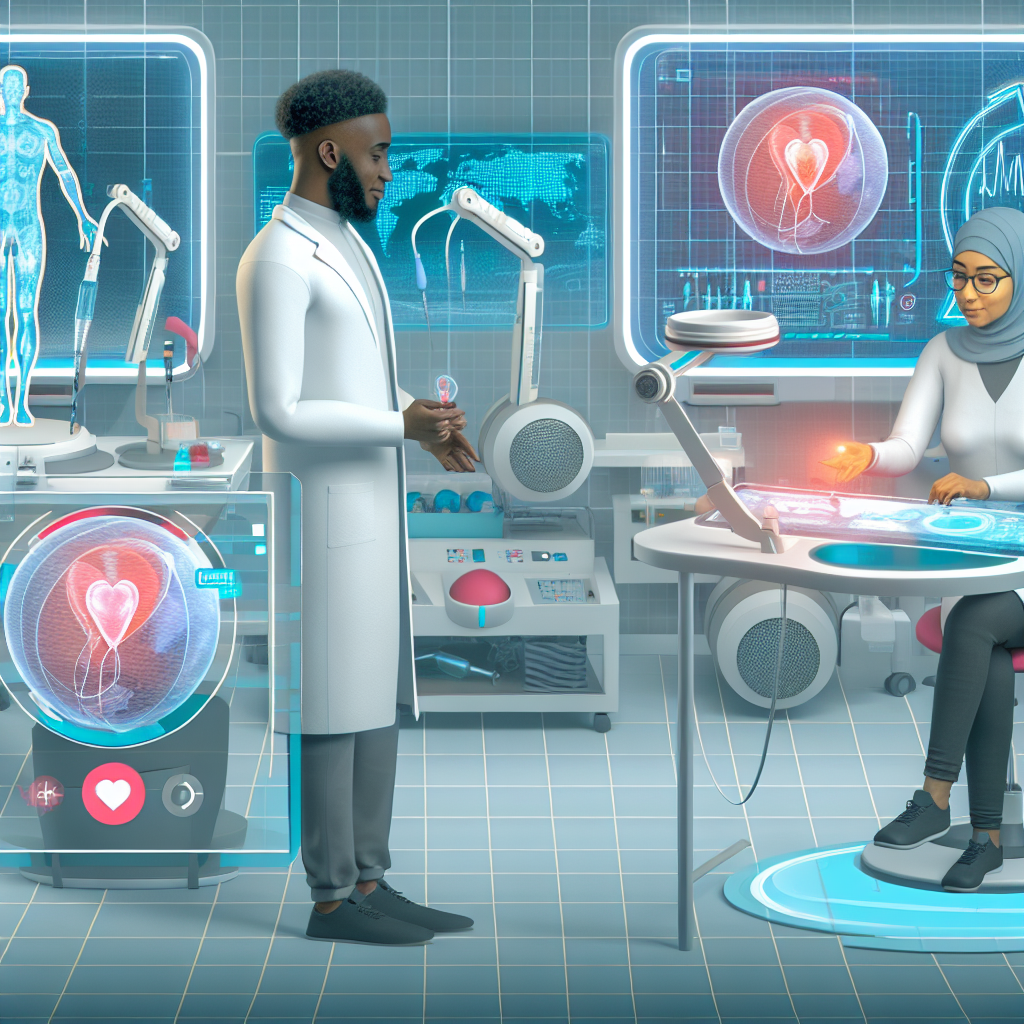
Unlocking the Secrets of Electroceuticals Revolutionizing Erectile Dysfunction Treatment in the Next Decade
Introduction
**Erectile dysfunction (ED)** is a prevalent condition impacting men across a wide age range, from teenagers to those in their nineties. As societal attitudes evolve, the stigma surrounding discussing and seeking treatment for **ED** is decreasing, resulting in a rise in innovative treatment strategies. Among these emerging solutions, **electroceuticals** are gaining attention as a promising approach to revolutionizing **ED treatment**. This innovative method combines the precision of electronics with the therapeutic goals of pharmaceuticals, creating new opportunities for men seeking relief from this condition.
Unlike traditional methods that frequently rely on medications, **electroceuticals** operate based on a fundamental principle: using electrical impulses to modulate the body’s neural circuits. By directly influencing the nervous system, **electroceuticals** have the potential to target underlying causes of **erectile dysfunction** with greater specificity and fewer side effects than traditional drugs. This rapidly growing field has captivated researchers and healthcare providers, with numerous studies and clinical trials exploring its efficacy and safety.
The exploration of **electroceuticals** is particularly significant given the limitations and side effects associated with oral medications like **sildenafil (Viagra)** and **tadalafil (Cialis)**. While effective for many, these treatments do not work for all and can cause undesirable effects such as headaches, flushing, or even more serious health risks in certain individuals. Additionally, they do not address the root causes of **ED**, which can range from vascular issues to psychological factors.
As **electroceuticals** develop, their potential to offer a personalized treatment approach is game-changing. By targeting specific bodily systems and responses, these treatments may shift the focus from symptom management to addressing the condition’s underlying physiology. As technological advancements continue to propel this field forward, the next decade is poised for remarkable progress in the accessibility and effectiveness of **electroceutical therapies** for **erectile dysfunction**.
Features
Recent advancements in **bioelectronic medicine** have laid the foundation for the development of **electroceuticals**. At the Massachusetts Institute of Technology **(MIT)**, researchers are working on precision neuromodulation, developing minimally invasive devices to deliver electrical pulses with pinpoint accuracy to specific nerves and tissues associated with **erectile function**. This innovative approach aims to maximize therapeutic outcomes while minimizing collateral effects on surrounding tissues. [MIT – Electroceuticals](https://www.mit.edu)
A notable study by the **Feinstein Institutes for Medical Research** has explored the impact of bioelectronic treatments for **ED**. This research emphasized targeting the pelvic autonomic nervous system, which is crucial in regulating erection. Preliminary results indicate that **electroceuticals** can enhance **erectile function** by modulating these neural pathways, showcasing substantial promise as a viable alternative to pharmacological options. [Feinstein Institutes for Medical Research Studies](https://www.feinsteinmedicalresearch.org)
Furthermore, the emerging focus on personalized medicine within the **electroceutical** field cannot be overstated. With **ED** having a multifaceted etiology, including psychological, neurological, and vascular components, the ability to tailor treatments to an individual’s unique condition is crucial. Research published in the Journal of Sexual Medicine highlights the potential of electromodulation-based strategies to cater to individual variances. Patients with vascular-related **ED** might benefit from targeted stimulation that enhances blood flow, while those with a neural origin may see improvements through modulation of specific nerve pathways. [Journal of Sexual Medicine – Personalizing ED Treatment](https://www.jsm.edu)
Ongoing clinical trials, supported by the **National Institutes of Health (NIH)**, are actively investigating the long-term effects and safety profiles of **electroceutical devices** in diverse populations. These studies are crucial to ensuring efficacy and safety for long-term use across different age groups. As data accumulates, the healthcare community anticipates regulatory bodies like the **FDA** will establish frameworks to evaluate and approve these innovative therapies, paving the way for their widespread adoption. [National Institutes of Health Clinical Trials](https://www.clinicaltrials.gov)
Conclusion
As the **electroceutical revolution** unfolds, its impact on **erectile dysfunction treatment** offers hope for millions of men affected by this condition. By moving beyond symptom management and towards addressing root causes through precision technology, **electroceuticals** are reshaping the **ED treatment** landscape. The next decade is expected to bring significant advancements, with increased accessibility and personalized medicine steering the course. This innovation promises not only improved therapeutic outcomes but also a boost in the quality of life for individuals across the age spectrum. Continued research and development could soon make **electroceuticals** a cornerstone in the comprehensive management of **erectile dysfunction**, underscoring the remarkable potential of harnessing electricity for healing.
Concise Summary
The exploration of **electroceuticals** is redefining **erectile dysfunction (ED) treatment**, leveraging electrical impulses to modify neural circuits with precision. These innovations promise personalized therapies targeting ED’s root causes across vascular, neurological, and psychological dimensions. Unlike conventional medications like **Viagra** or **Cialis**, **electroceuticals** offer targeted interventions with fewer side effects. Institutions such as **MIT** and the **Feinstein Institutes** are spearheading research in precision neuromodulation. With ongoing trials supported by the **NIH**, the next decade will likely see regulatory approval and widespread adoption, marking a transformation in tackling ED.

Dominic E. is a passionate filmmaker navigating the exciting intersection of art and science. By day, he delves into the complexities of the human body as a full-time medical writer, meticulously translating intricate medical concepts into accessible and engaging narratives. By night, he explores the boundless realm of cinematic storytelling, crafting narratives that evoke emotion and challenge perspectives. Film Student and Full-time Medical Writer for ContentVendor.com