The Libido Paradox: Why an Ultra-Healthy Lifestyle Could Be Damaging Your Sexual Health
In today’s wellness-obsessed world, it’s not uncommon for men across generations—from teens in their self-discovery years to experienced gentlemen in their 90s—to be bombarded with messages urging them to pursue ultra-healthy lifestyles. From **kale-packed green smoothies** to rigorous fitness regimes, the pathway to optimal health appears to be well-defined. However, while the intention is to boost overall well-being, an overly stringent health routine can inadvertently lead to an often-overlooked issue: reduced **libido**. Termed “The Libido Paradox,” this phenomenon can see men striving for peak physical fitness at the expense of their **sexual health**.
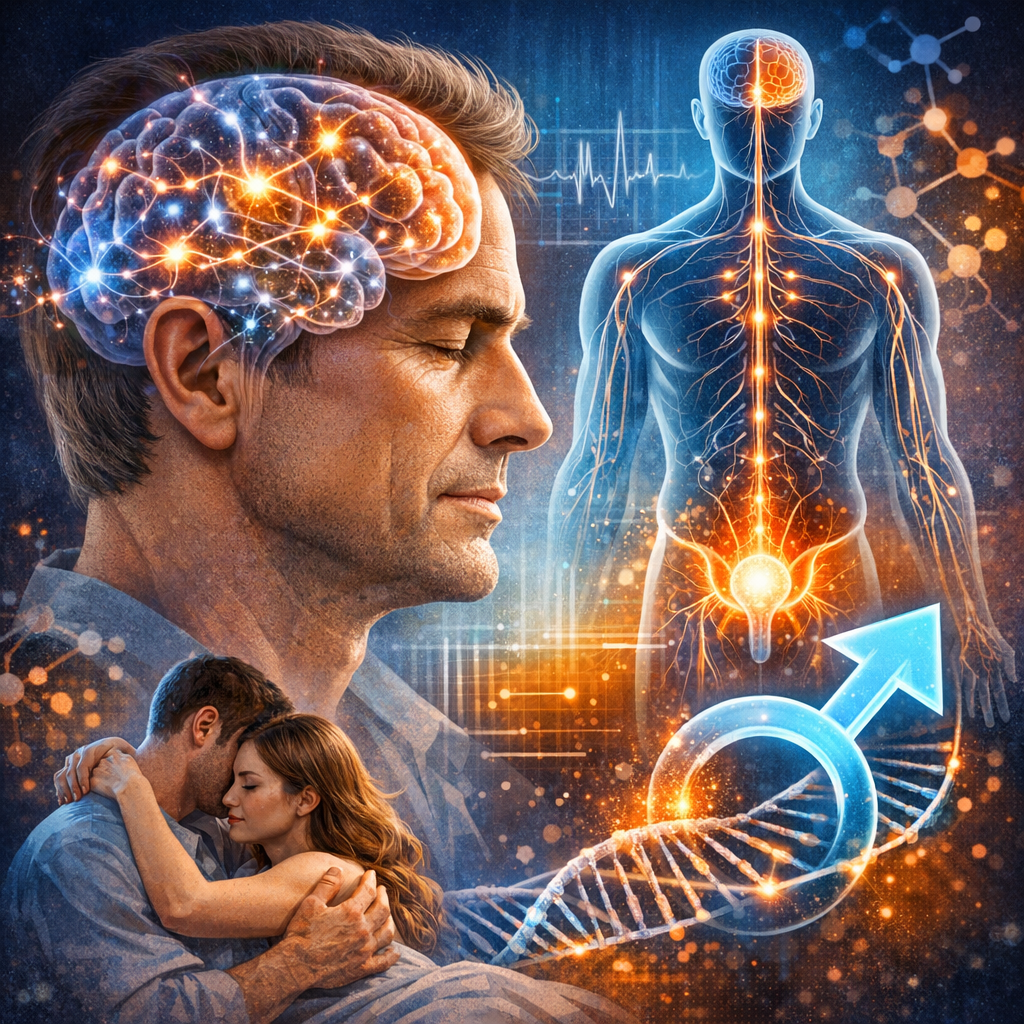
**The libido**—or **sexual drive**—is a complex interplay of **psychological**, **neurological**, **endocrinological**, and **social factors**. While many know that **diet** and **exercise** play a significant role in maintaining a robust sexual appetite, it’s easy to overlook that these same habits, when taken to extremes, can throw this delicate balance off-kilter. Popular belief dictates that what’s good for the heart and muscles is good for the bedroom; however, investigations into this belief reveal surprising nuances.
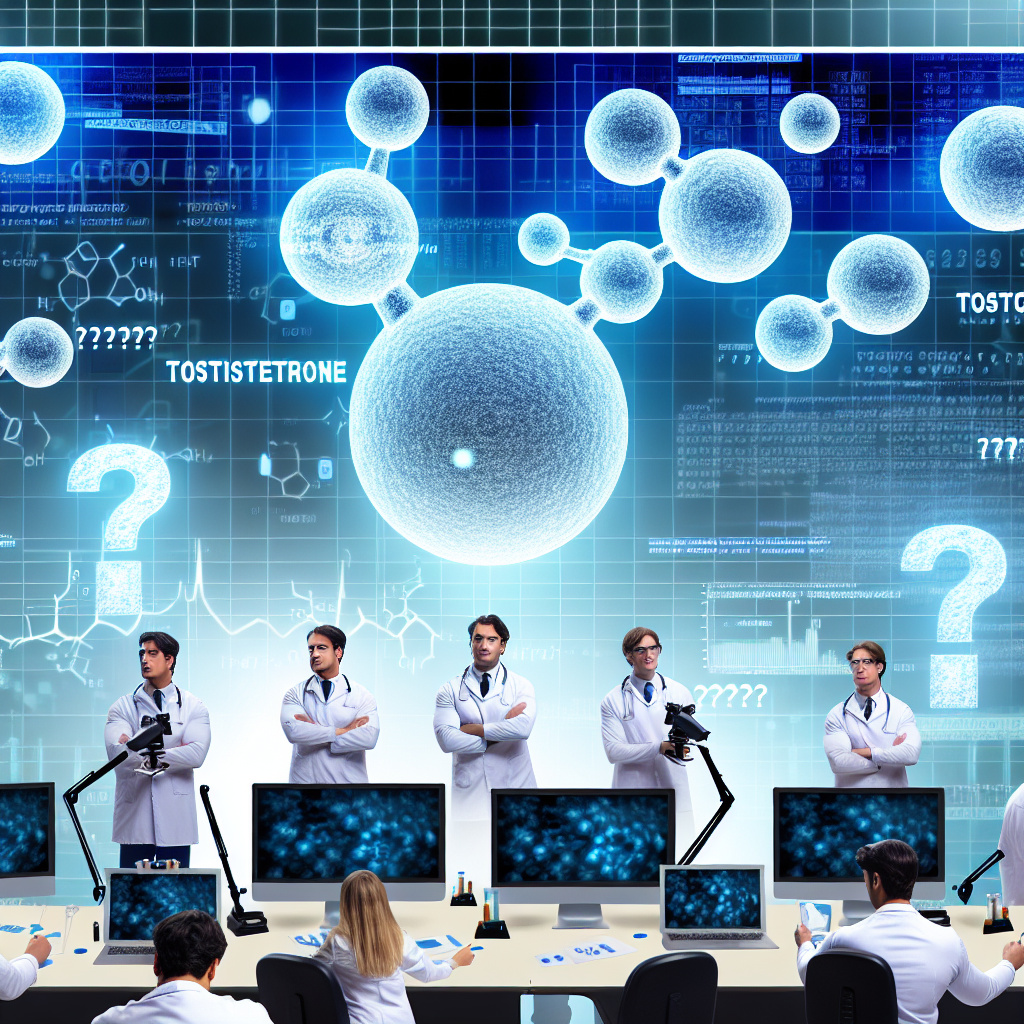
Consider the diet of the ultra-health enthusiast. Often, it’s characterized by extreme low-fat intake, or the exclusion of certain macronutrients like carbohydrates. While low-fat diets are heralded for lowering cholesterol and supporting **heart health**, **fats** are essential precursors for **testosterone production**. A diet devoid of healthy fats may inadvertently lead to lower testosterone levels, impairing sexual function. Similarly, an overly restrictive calorie or carbohydrate intake can reduce energy levels and impact mood, both crucial elements of a healthy libido.
**Exercise**, another keystone of a healthy life, can also contribute to decreased libido under certain conditions. While regular physical activity can boost blood flow and enhance mood—key components for robust sexual health—overtraining can lead to elevated **cortisol levels**. This stress hormone, critical in small doses, can wreak havoc when chronically elevated, decreasing testosterone in the process.
The paradox, therefore, lies in the modern social narrative that equates optimal physical health with sexual vitality without considering individual variability and the unique cocktail of hormones and physiology each man possesses.
Features: Studies and Evidence
The connection between lifestyle choices and sexual health is under continuous scrutiny. Several studies illuminate the complex relationships involved between ultra-healthy lifestyles and diminished libido.
A study published in the Journal of the American Medical Association (**JAMA**) explored the effects of diet on hormone levels and revealed that men who followed low-fat, plant-based diets had marginally lower concentrations of testosterone compared to those on diets with moderate fat content. This diminished testosterone level, in turn, was associated with a decrease in sexual desire and frequency of morning erections—a natural marker of sexual health [**JAMA Study on Diet and Testosterone Levels**](https://jamanetwork.com/).
Furthermore, research from the **Clinical Endocrinology journal** highlighted how severely calorie-restricted diets might lead to hypothalamic-pituitary-gonadal axis disruption, leading to hormonal imbalances that affect libido [**Clinical Endocrinology Study**](https://onlinelibrary.wiley.com/).
Exercise, while beneficial, can similarly impact libido when done excessively. The **Journal of Sexual Medicine** reported that male athletes engaging in prolonged, high-intensity **training** experienced lower libido compared to those maintaining moderate exercise routines. The link was attributed to sustained elevations in cortisol hampering testosterone production, alongside physical and mental fatigue [**Journal of Sexual Medicine Study**](https://www.jsm.jsexmed.org/).
Despite these findings, it’s crucial not to vilify exercise and diet. Instead, the emphasis should be placed on balance and awareness. Achieving optimal sexual health isn’t about villainizing certain lifestyle choices but appreciating the need for moderation and listening to one’s body.
Conclusion
In the quest for good health, it’s essential to recognize the interconnectivity of body systems. The **Libido Paradox** highlights the need to adopt a more nuanced approach toward health that considers both physical and sexual well-being. Ultra-healthy living, while beneficial, can become counterproductive when critical elements needed for maintaining a healthy libido, like balanced nutrition and proper rest, are neglected. Recognizing individual variability and the personal aspects of one’s hormonal and psychological landscape is crucial.
Striking the right balance between a disciplined lifestyle and personal well-being requires mindfulness of one’s bodily responses to dietary and fitness changes. Addressing broader lifestyle choices holistically ensures that while reaching for peak fitness, men do not inadvertently sideline other vital aspects of health like sexual vitality. By walking this balanced path, men from all age groups can foster not just longer, healthier lives, but lives peppered with vibrancy, passion and fulfillment.
**Concise Summary:**
This article explores the “Libido Paradox,” where ultra-healthy lifestyles, while intending to enhance wellness, might reduce libido. Extreme dieting habits, like low-fat intake, can lower testosterone, while excessive exercise can elevate cortisol, negatively impacting sexual health. Research highlights diet and exercise’s roles in libido, emphasizing balance over extremes. The article urges men to consider individual variability, ensuring that pursuit of physical fitness doesn’t eclipse sexual well-being, highlighting a need for holistic health approaches that incorporate both physical and sexual vitality.

Dominic E. is a passionate filmmaker navigating the exciting intersection of art and science. By day, he delves into the complexities of the human body as a full-time medical writer, meticulously translating intricate medical concepts into accessible and engaging narratives. By night, he explores the boundless realm of cinematic storytelling, crafting narratives that evoke emotion and challenge perspectives. Film Student and Full-time Medical Writer for ContentVendor.com