Exploring the Impact of Gut Microbiome on Male Sexual Health: The Hidden Connection Unveiled
Topic Introduction
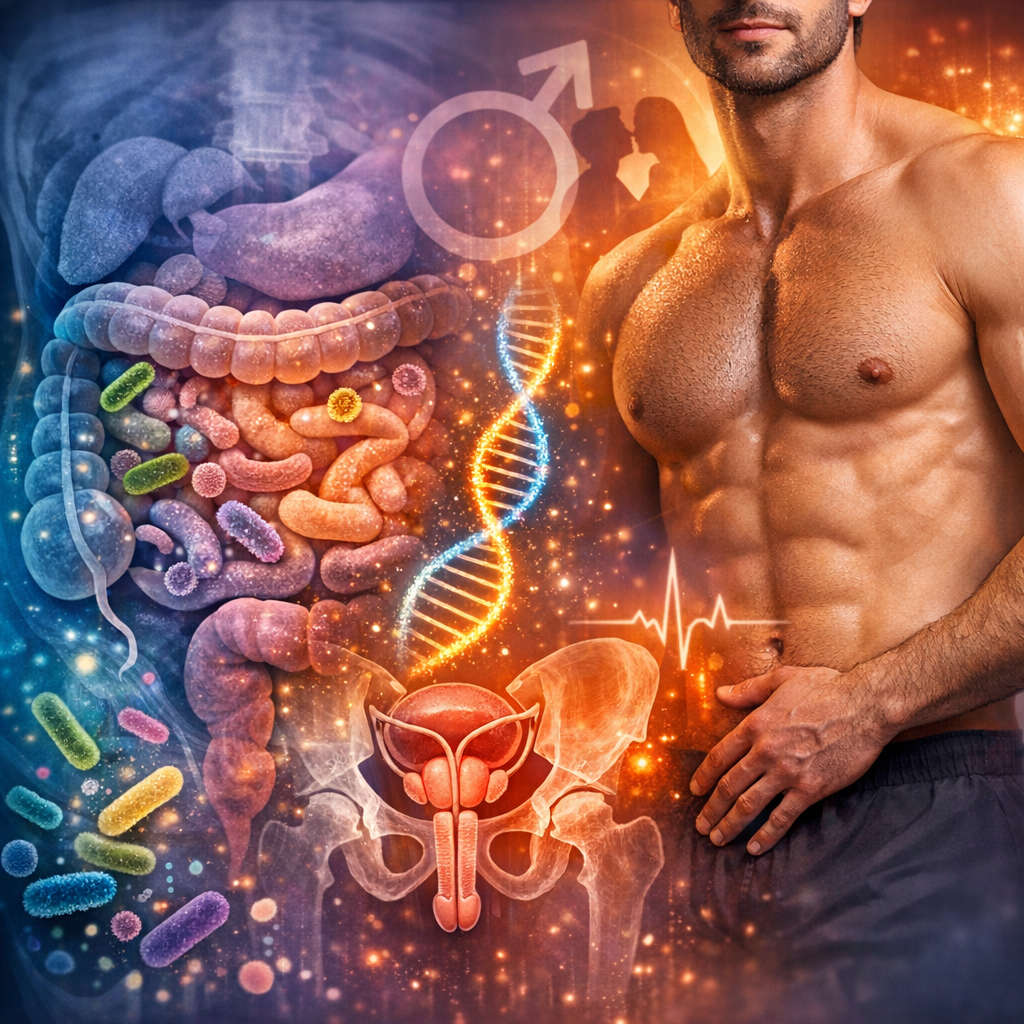
In recent years, the ***gut microbiome***—often referred to as the body’s “second brain”—has emerged as a critical determinant of overall health. Comprising trillions of microorganisms, including bacteria, viruses, fungi, and other microbes, the gut microbiome plays a crucial role in digestion, immune function, and even mental health. However, a lesser-known aspect of this intricate system is its influence on male ***sexual health***. As scientific research delves deeper into the mysteries of the human body, a fascinating connection between the gut microbiome and male sexual health is beginning to unfold, suggesting that an imbalanced gut can potentially affect ***libido***, ***erectile function***, and overall well-being.
The ***gut-brain axis*** is a bidirectional communication pathway linking the gut and brain. This complex network connects emotional and cognitive centers of the brain with peripheral intestinal functions. Emerging research suggests that the gut microbiome can influence ***mood*** and ***stress*** levels, which are directly associated with sexual health. For instance, an upset in gut flora balance can lead to increased stress and ***anxiety***, conditions known to impair sexual desire and performance. Additionally, the gut microbiome is integral to regulating inflammation throughout the body, which, when in excess, can damage blood vessels, leading to ***erectile dysfunction***.
Furthermore, the gut microbiome’s role in ***hormone regulation***, particularly concerning ***testosterone***, is crucial for sexual arousal and overall health. An unhealthy gut can hinder hormone signaling pathways, potentially diminishing testosterone levels and impacting sexual function. Factors like diet, antibiotics, and lifestyle changes can disrupt gut bacteria balance, underscoring the importance of maintaining a healthy gut for optimal sexual health.
Features
At the forefront of research on the gut microbiome’s impact on health is a growing body of studies highlighting its role in ***sexual health***. A notable study published in the journal *[Clinical Psychopharmacology and Neuroscience](https://www.ncbi.nlm.nih.gov/pmc/articles/PMC5607010/)* explores the profound influence of gut microbiota on mental health, which has downstream effects on sexual function. By modulating neurotransmitter levels such as ***serotonin***—a key player in mood regulation and sexual desire—the gut microbiome can indirectly affect sexual health. The study found that altering gut flora with ***probiotics*** could improve mental well-being, thereby enhancing sexual functioning.
Another significant investigation in the *[American Journal of Physiology](https://journals.physiology.org/doi/full/10.1152/ajpgi.00327.2019)* examines the relationship between gut health and inflammation. Chronic inflammation, often a result of an imbalanced ***gut microbiome***, is linked to cardiovascular issues and erectile dysfunction. The research emphasizes the importance of a balanced gut microbiota in reducing systemic inflammation and maintaining vascular health, crucial for erectile function.
Research published in *[Nutrition and Metabolism](https://nutritionandmetabolism.biomedcentral.com/articles/10.1186/s12986-018-0316-3)* further elucidates the connection between diet, the gut microbiome, and hormone levels. This study emphasizes how a diet rich in ***fiber*** and low in processed foods not only supports a healthy gut microbiome but also promotes optimal levels of testosterone. Participants who followed a Mediterranean-style diet showed marked improvements in gut health and corresponding increases in testosterone levels, offering promising insights into dietary interventions for enhancing male sexual health.
Moreover, an intriguing study in *[Psychoneuroendocrinology](https://www.sciencedirect.com/science/article/abs/pii/S0306453019301389)* discusses the potential of ***prebiotics*** and probiotics as therapeutic interventions to improve symptoms of anxiety and depression, common causes of sexual dysfunction. By improving gut health, these interventions showed beneficial effects on mood and stress resilience, which are critical to maintaining a healthy sex life. This growing body of evidence underscores the far-reaching implications of the gut microbiome, opening new avenues for holistic approaches to sexual health.
Conclusion
As our understanding of the gut microbiome deepens, the link between gut health and male sexual health becomes increasingly evident. The intricate connection between the ***gut***, ***brain***, and ***hormones*** highlights the multifaceted role of the gut microbiome in sustaining not just physiological well-being but also sexual vitality. By nurturing a healthy gut through mindful dietary choices and possibly incorporating probiotics and prebiotics, men can take proactive steps toward enhancing their sexual health. While more research is needed to fully elucidate these relationships, current findings offer a promising outlook on managing and improving sexual function through gut health regulation. By prioritizing the balance of our gut flora, we may unlock new potential for healthier and more satisfying sexual experiences throughout the male lifespan.
Concise Summary
Recent research highlights the ***gut microbiome***’s crucial role in male ***sexual health***, linking its balance to factors like ***libido***, ***erectile function***, and overall well-being. The ***gut-brain axis*** and hormone regulation are pivotal in this connection; disruptions here can lead to issues like ***inflammation***, reduced ***testosterone***, and impaired sexual function. Studies indicate how diets rich in ***fiber*** and low in processed foods support gut health and testosterone levels, while ***probiotics*** may enhance mood and ***stress resilience***. Thus, gut health management emerges as a promising approach to improving male sexual health.

Dominic E. is a passionate filmmaker navigating the exciting intersection of art and science. By day, he delves into the complexities of the human body as a full-time medical writer, meticulously translating intricate medical concepts into accessible and engaging narratives. By night, he explores the boundless realm of cinematic storytelling, crafting narratives that evoke emotion and challenge perspectives. Film Student and Full-time Medical Writer for ContentVendor.com