Circadian Rhythm: Unlocking Timing for Testosterone and Vitality Triggers for Maximum Impact
Introduction
Understanding your body’s natural rhythms can be a game-changer for your overall health, especially when it comes to **testosterone levels** and **vitality**. The **circadian rhythm**, often referred to as the body’s internal clock, plays a pivotal role in regulating various physiological processes, including hormone regulation. This article delves into how aligning your lifestyle with your circadian rhythm can optimize testosterone production and enhance vitality, potentially leading to better physical performance, improved mood, and overall well-being.
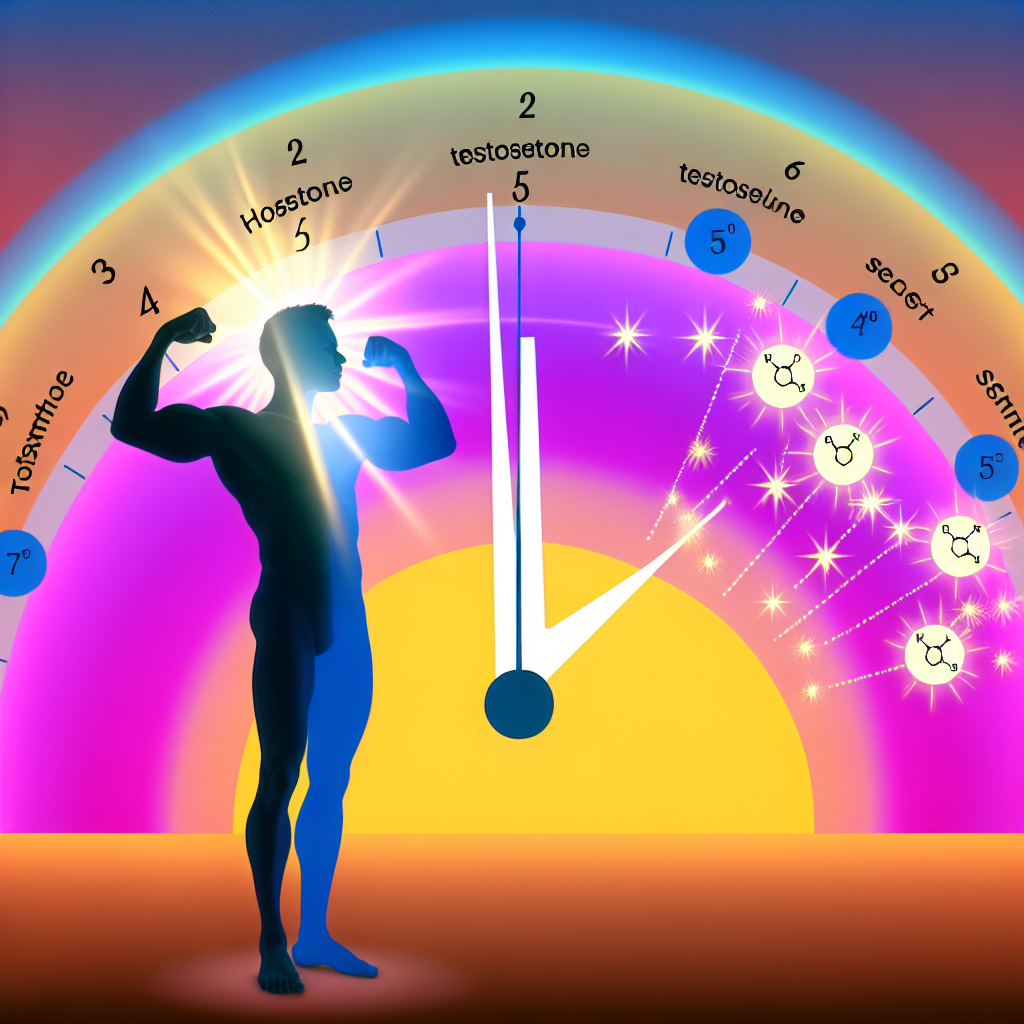
The circadian rhythm is a 24-hour cycle that governs various bodily functions, including the **sleep-wake cycle**, hormone production, and **energy levels**. Emerging research highlights the significance of this rhythm in testosterone production—a critical hormone for **muscle mass**, **bone density**, body composition, and **libido**. Testosterone levels naturally fluctuate throughout the day, reaching their peak in the early morning and gradually declining as the day progresses.
For teens and older men alike, understanding and harnessing this fluctuation can unlock a more balanced hormonal environment. Adolescents often face significant hormonal changes, which can affect mood and physical development. Aligning lifestyle choices with their circadian rhythm can help smoothen these transitions and support optimum growth and vitality. For men in their 30s and beyond, who may be dealing with decreasing testosterone levels, optimizing these rhythms can help maintain energy levels, mental acuity, and physical health.
**Sleep**, diet, exercise, and exposure to natural light all interact with our biological clock to influence testosterone levels. For instance, quality sleep is vital as most testosterone release occurs during the **rapid eye movement (REM) phase** of sleep. Similarly, morning workouts can synchronize with the body’s natural testosterone surge, giving you a vital boost for the day. Moreover, timing your meals to fuel your body effectively can bolster your **hormonal health**, as certain nutrients can influence testosterone levels.
In essence, by strategically timing your actions to align with your circadian rhythm, you cultivate an environment that supports optimal testosterone levels and vitality. In the sections that follow, we will explore scientific insights and practical applications, allowing you to master the art of timing for a vibrant, healthy life.
Features
The relationship between circadian rhythms and testosterone levels has been a subject of extensive research over the years. A study published in the **[Journal of Clinical Endocrinology & Metabolism](https://academic.oup.com/jcem)** found that men’s testosterone levels demonstrate a predictable circadian pattern, peaking in the early morning and hitting a low point in the evening. This pattern emphasizes the importance of synchronizing daily habits with these natural hormonal cycles.
Additionally, a study in the **[Journal of Applied Physiology](https://journals.physiology.org/journal/jappl)** identified the impact of sleep on testosterone production. It revealed that **sleep deprivation** or disrupted sleep cycles significantly reduce testosterone levels, affecting overall vitality and function. This finding underscores the critical role of adhering to consistent sleep patterns in maintaining hormonal health, particularly for teenagers whose bodies are still in developmental stages.
**Diet** also affects circadian rhythms and testosterone levels. Nutritional timing, such as consuming proteins and carbohydrates at specific times, can interact with the circadian system to optimize hormone production. Research highlighted in the journal **[Nutrients](https://www.mdpi.com/journal/nutrients)** indicates that a protein-rich breakfast can enhance morning testosterone production, leveraging the natural hormonal peak to maximize energy and focus throughout the day.
**Exercise** is another essential factor. The relationship between physical activity and testosterone levels is well-documented; however, the timing of exercise can amplify these effects. According to research published in the **[British Journal of Sports Medicine](https://bjsm.bmj.com/)**, morning exercise, particularly strength training, aligns well with testosterone peaks, enhancing muscle synthesis and fat metabolism.
Lastly, consistent exposure to **natural light**, especially in the morning, has been shown to positively influence circadian rhythms and testosterone levels. Light exposure helps suppress **melatonin**, a sleep-inducing hormone, thereby enhancing alertness and aligning testosterone production with daytime activities.
Incorporating these strategies can help synchronize your lifestyle with your circadian rhythm, fostering an environment conducive to balanced hormone levels and amplified vitality. However, these are general guidelines, and individual variations exist—consulting with healthcare professionals can provide personalized advice tailored to specific needs.
Conclusion
Embracing the concept of circadian rhythms and understanding their impact on testosterone levels and vitality offer a sustainable approach to enhancing male health. By taking advantage of your body’s natural ebb and flow, you can optimize testosterone production, leading to improved energy, better mood, and enhanced physical performance. Start by fine-tuning your **sleep patterns**, aligning your exercise routines, and ensuring your diet supports your hormonal health. Subtle changes such as these, practiced consistently, can lead to substantial improvements in long-term health and vitality.
Ultimately, a lifestyle attuned to your body’s natural rhythms demands intentional living—taking purposeful steps towards balanced health and well-being. For teens developing into adulthood, understanding these principles can provide a foundation for lifelong health. For older men, it serves as a reminder that peak health is achievable at any age. Utilizing the power of timing in daily life is not just about immediate gains but about creating a healthier future.
**References:**
1. **[Journal of Clinical Endocrinology & Metabolism](https://academic.oup.com/jcem)**: “Circadian Variation of Serum Testosterone in Men: A Meta-Analysis.”
2. **[Journal of Applied Physiology](https://journals.physiology.org/journal/jappl)**: “The impact of sleep deprivation on testosterone levels in adolescent males.”
3. **[Nutrients](https://www.mdpi.com/journal/nutrients)**: “Meal Frequency and Timing in Relation to Circadian Rhythms.”
4. **[British Journal of Sports Medicine](https://bjsm.bmj.com/)**: “Effects of strength training in the morning on testosterone levels and muscle hypertrophy.”
5. **[Journal of Biological Rhythms](https://journals.sagepub.com/home/jbr)**: “Light exposure and its effect on circadian rhythms and hormone levels.”
Concise Summary
Aligning your lifestyle with your circadian rhythm can significantly enhance **testosterone production** and improve vitality. By optimizing sleep cycles, exercise routines, and nutritional timing, you can support hormone health, potentially leading to better physical performance and mood. Leveraging morning light exposure, a protein-rich breakfast, and strength training aligns with natural testosterone peaks, fostering energy and focus. This approach benefits teens navigating hormonal changes and older men maintaining vitality, emphasizing the importance of integrating natural rhythms into daily habits for long-term health.

Dominic E. is a passionate filmmaker navigating the exciting intersection of art and science. By day, he delves into the complexities of the human body as a full-time medical writer, meticulously translating intricate medical concepts into accessible and engaging narratives. By night, he explores the boundless realm of cinematic storytelling, crafting narratives that evoke emotion and challenge perspectives. Film Student and Full-time Medical Writer for ContentVendor.com