Beyond Testosterone: Exploring the Role of Environmental Toxins in Male Hormonal Health and Vitality
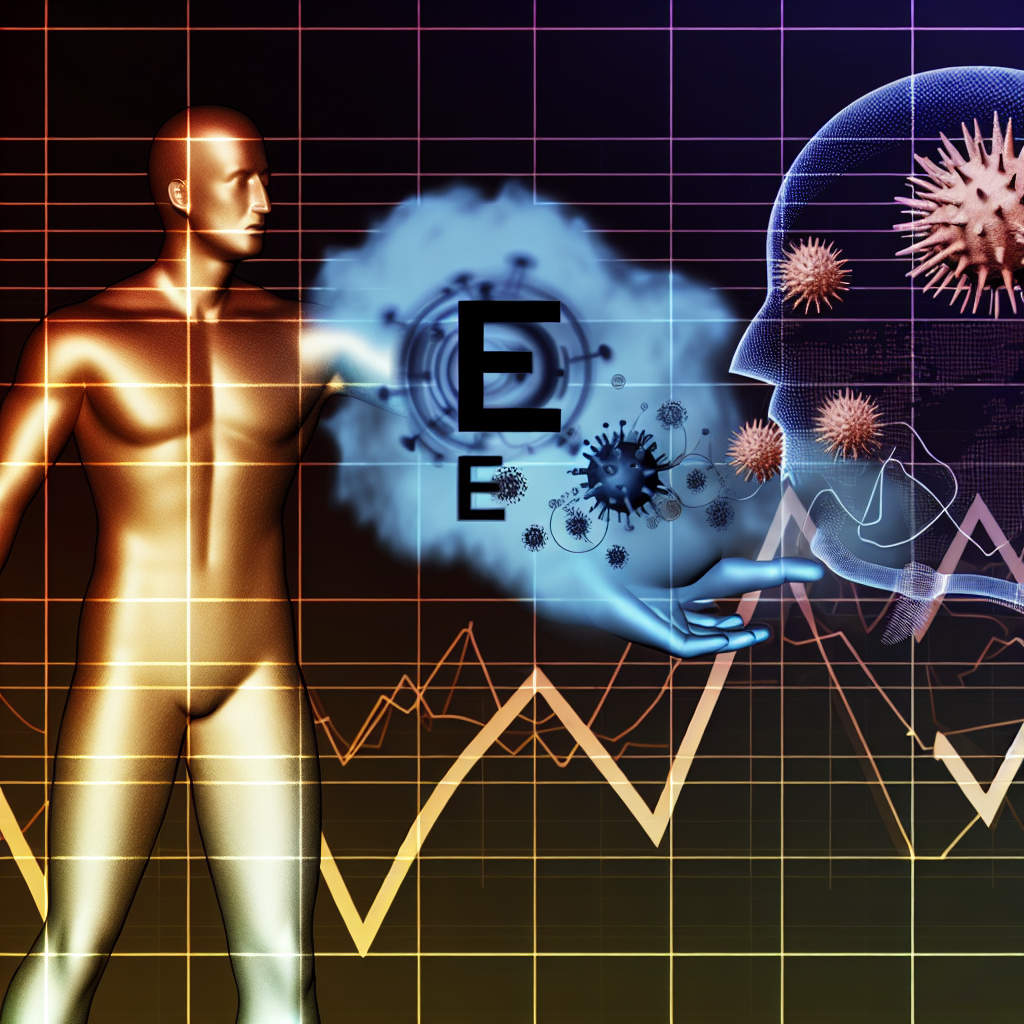
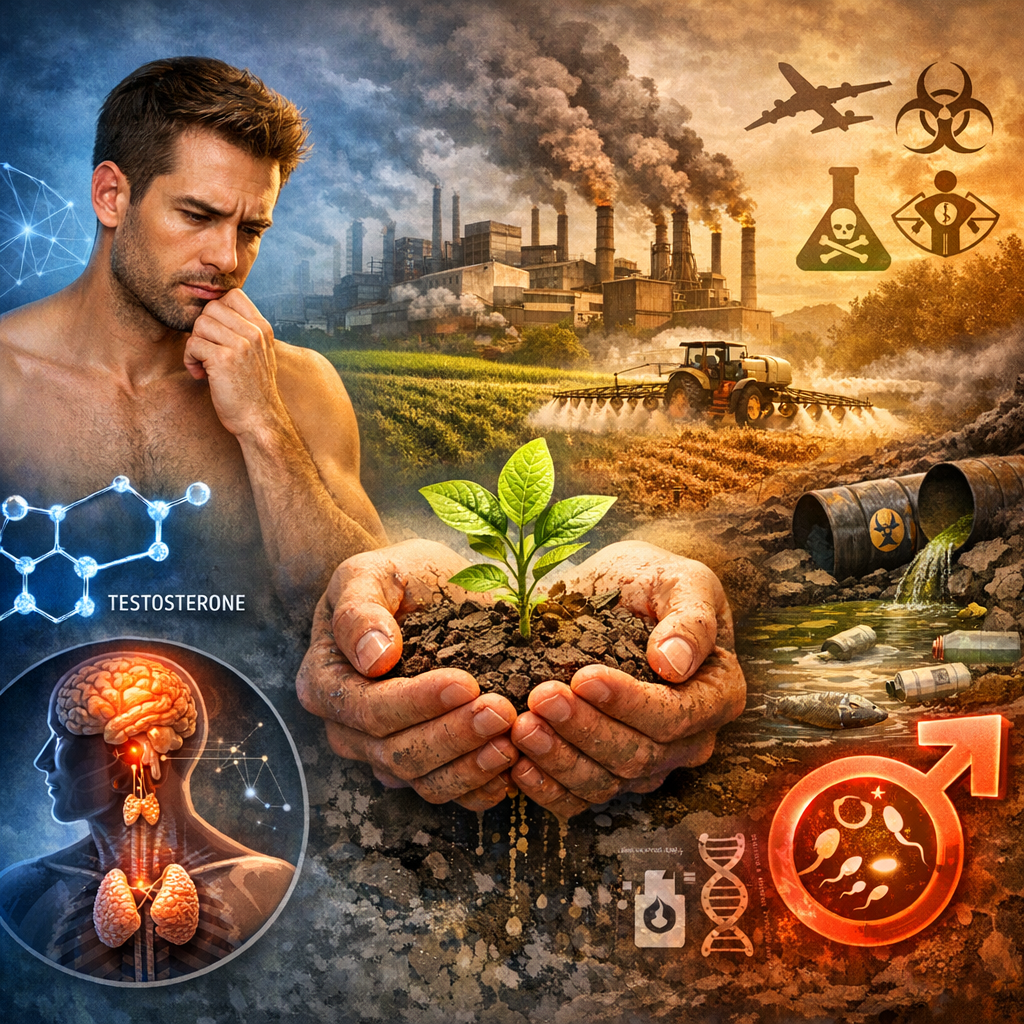
In recent decades, the conversation around **male hormonal health** has primarily centered on **testosterone**. Often deemed the hormone synonymous with vitality, strength, and masculinity, testosterone levels have understandably garnered substantial attention. However, focusing solely on testosterone disregards the intricate symphony of hormones that play critical roles in maintaining male health. A growing body of research has begun to shed light on how external factors, particularly **environmental toxins**, act as disruptive conductors of this hormonal symphony.
Environmental toxins, known as **endocrine disruptors**, have surged into the daily lives of men across all age groups in the United States, infiltrating through food, water, air, and even consumer products. These compounds—ranging from **industrial chemicals** to **pesticides**—can interfere with multiple hormonal systems and disrupt the delicate balance essential for optimal health. Notably, some of these chemicals mimic hormone structures, thereby altering regulatory feedback loops that maintain natural hormonal levels. Individuals unknowingly expose themselves to these chemicals through common items like plastics and personal care products, emphasizing the pervasiveness of these toxins.
Across America, men from their teenage years to their 90s face unique challenges pertaining to hormonal health—a component essential not just for reproductive functions but also for mental and physical well-being. Younger males often confront these issues during formative years when hormones shape physical development and sexuality. In contrast, aging men may face reductions in testosterone, impacting energy levels, cognitive abilities, and overall vitality. The influence of environmental toxins can complicate these age-related hormonal shifts, exacerbating existing challenges or even contributing to the onset of diseases.
Awareness of how these environmental agents impact hormonal health is paramount. For example, **Bisphenol A (BPA)**, often found in plastics and food packaging, has been implicated in hormone disruption linked to fertility issues and other health problems. Similarly, **phthalates**, widely used in plastics and personal care products, can alter hormone levels, leading to potential developmental and reproductive toxicity. These disruptions pose significant concerns for both immediate health effects and long-term consequences, particularly when exposure begins early and accumulates over time.
Understanding the influence of environmental toxins on hormonal health isn’t merely an academic interest; it’s a practical necessity. By acknowledging these factors, steps can be taken to mitigate exposure and preserve vital hormonal function. This article delves into recent professional studies that illuminate these molecules’ insidious effects and offers insights into maintaining hormonal health across the lifespan, particularly for those already at risk.
Features: Professional and Medical Studies On Environmental Toxins
Research into **endocrine disruptors** has steadily gained traction, with several significant studies shedding light on their impact on male hormonal health. A pivotal study conducted by the **National Institute of Environmental Health Sciences (NIEHS)** demonstrated the substantial effects of exposure to endocrine-disrupting chemicals (EDCs) even at low concentrations. The findings established links between these chemicals and adverse outcomes such as decreased sperm count, increased risk of **testicular cancer**, and alterations in testosterone levels. [NIEHS Study](https://www.niehs.nih.gov/research/supported/initiatives/edc/index.cfm)
Moreover, a study by the journal *Environmental Health Perspectives* focused on **phthalates**, common in fragrances and household products. This research highlighted that individuals with high phthalate exposure exhibited significantly lower testosterone levels, which in turn could lead to diminished libido, energy, and muscle mass. This correlation was particularly pronounced in both adolescents, impacting development, and in older men, contributing to age-associated testosterone declines. [Environmental Health Perspectives Study](https://ehp.niehs.nih.gov/doi/full/10.1289/ehp.1409019)
**BPA exposure** also remains a focal point within this field. A research paper published in *Fertility and Sterility* discussed its potential to mimic estrogen, thereby affecting testosterone synthesis and leading to **hormonal imbalances**. Importantly, this study linked BPA exposure to reduced sperm quality and motility, emphasizing the broader implications for male reproductive health. Additionally, it underscored the potential for long-term health consequences when exposure occurs during critical developmental periods in adolescence. [Fertility and Sterility Study](https://www.fertstert.org/article/S0015-0282(19)32319-6/fulltext)
The medical community continues to unravel the extent of these substances’ impact, advocating for greater public health transparency and policy measures aimed at reducing exposure. However, individuals can also take proactive steps by selecting **phthalate-free** cosmetics, using **BPA-free** containers, and increasing organic produce consumption to avoid pesticides.
Conclusion
**Awareness** and **prevention** are key when it comes to safeguarding hormonal health against the backdrop of environmental toxins. As explored, the implications of these disruptors extend far beyond testosterone, impacting numerous hormonal functions that drive vitality and well-being. For men across all ages, understanding these influences forms the foundation of maintaining a vigorous and balanced life. More comprehensive strategies that combine personal vigilance with broader regulatory efforts can significantly reduce exposure risk.
Education about the hazards posed by BPA, phthalates, and other **endocrine disruptors** empowers men to make informed choices about their lifestyle, potentially mitigating the negative effects these substances have on hormonal health. Ultimately, embracing a proactive approach contributes to personal health and longevity and aligns with a broader narrative of **environmental consciousness** and **public health advocacy**. Prioritizing both individual and collective responsibility is crucial to fostering an ecosystem that supports healthy hormonal functioning.
**Concise Summary**: This article explores how **environmental toxins**, including **BPA** and **phthalates**, disrupt male hormonal health beyond just testosterone levels. Research shows that these toxins interfere with hormonal systems, affecting everything from development in young males to declining testosterone in older men. Awareness and proactive measures, like avoiding phthalate and BPA products, are essential in maintaining hormonal balance and overall health. Studies from prominent journals underscore the hormone-disruptive effects of these environmental agents and advocate for reduced exposure through lifestyle changes and policy measures.

Dominic E. is a passionate filmmaker navigating the exciting intersection of art and science. By day, he delves into the complexities of the human body as a full-time medical writer, meticulously translating intricate medical concepts into accessible and engaging narratives. By night, he explores the boundless realm of cinematic storytelling, crafting narratives that evoke emotion and challenge perspectives. Film Student and Full-time Medical Writer for ContentVendor.com