Hormone-Driven Performance: Unveiling the Next Era of Manhood Beyond Testosterone
In today’s discussion of **male health and performance**, **testosterone** often takes the spotlight. It’s the hormone commonly associated with masculinity, impacting everything from muscle mass to mood. However, the narrative of male hormones goes well beyond testosterone, touching upon a myriad of other hormones that collectively shape the experience of manhood. This journey into the next era of manhood invites us to explore beyond the well-trodden paths and delve into the broader endocrine orchestra that influences male health, performance, and well-being.
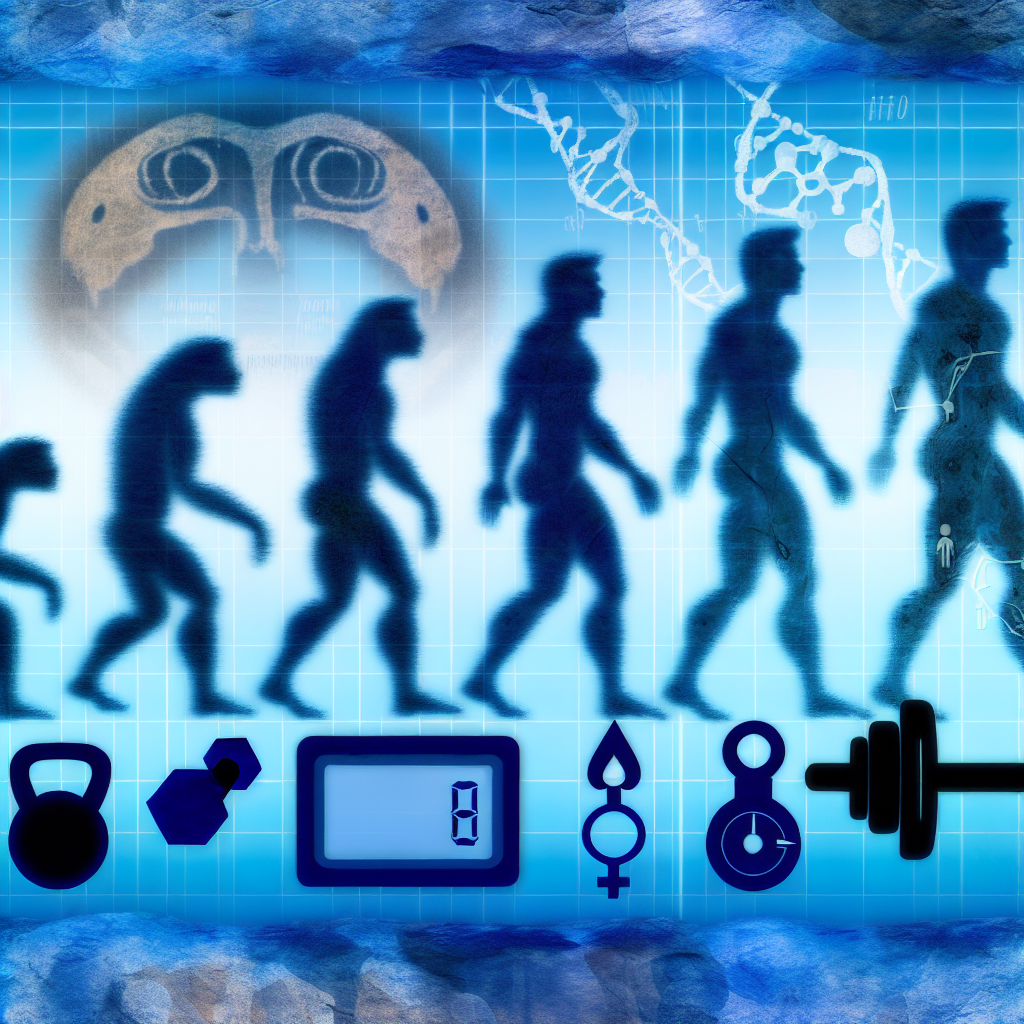
The traditional focus on testosterone has, for decades, simplified our understanding of male hormonal health. While testosterone is indeed pivotal, it doesn’t act alone. Hormones like **cortisol**, **insulin**, **growth hormone**, and even **estrogen** play critical roles in defining male physiological and psychological performance. Understanding these hormones helps pave the way for maximizing health outcomes and enhancing quality of life throughout the various stages of manhood—from the vitality of teenage years through the strength of middle age and into the wisdom of elder years.
Research now underscores the importance of a holistic hormonal balance, which can be as crucial as testosterone levels in maintaining health and well-being. For instance, cortisol, often termed the “stress hormone,” is essential for regulating metabolism, reducing inflammation, and controlling the sleep-wake cycle. Chronic stress and abnormal cortisol levels can lead to fatigue, depression, and an increased risk of cardiovascular diseases, illustrating the complex interplay between our environment and hormonal systems.
Growth hormone is another vital player, influencing growth, metabolism, and muscle strength. It holds significance especially as men age, when its levels naturally decline, contributing to reduced muscle mass and increased body fat. Topics like hormone replacement therapy and lifestyle modifications are gaining traction for their potential to mitigate these effects and support a more active, vigorous life in the later years.
Interestingly, the role of estrogen in men, often overlooked due to its association with female physiology, is now recognized as critical in male sexual function, bone density, and even cognitive health. The interconnectedness of testosterone and estrogen balances not only underlies physical health but also involves emotional and psychological dimensions, further complicating the simplified narrative dominated by testosterone alone.
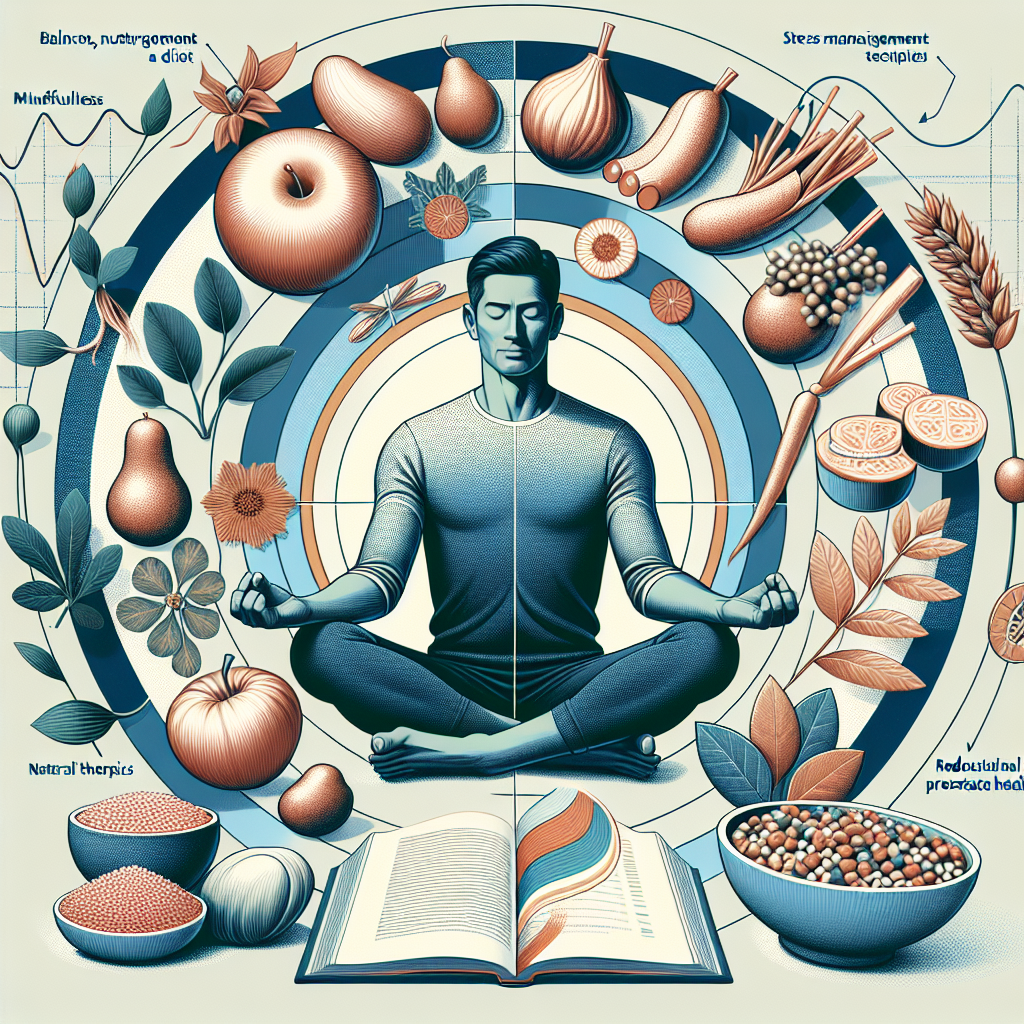
Navigating this landscape requires not only awareness but also a nuanced understanding of how various lifestyle factors—**diet**, **exercise**, **stress management**—can impact these hormones and, by extension, **overall performance and health**. By expanding our gaze to include the wider hormonal spectrum, we can design more effective strategies that are tailored to individual needs, reflecting the multifaceted nature of modern manhood.
Features: Studies Demonstrating a Wider Hormonal Perspective
The evolving narrative around **hormone-driven performance** in men is supported by a host of scientific studies that highlight the intricate roles of various hormones beyond testosterone. For instance, a study published in the [Journal of Clinical Endocrinology & Metabolism](https://academic.oup.com/jcem) emphasized how cortisol levels correlate with physical performance and stress response in men of different ages. The study revealed that consistently high cortisol levels could impair cognitive function and physical health, underscoring the importance of managing stress to maintain optimal hormonal balance and performance.
Moreover, research from the [Journal of Aging and Health](https://journals.sagepub.com/home/jah) highlighted the role of growth hormone, demonstrating its impact on muscle strength and metabolism. The study showed that strategic interventions such as resistance training and a balanced diet could stimulate growth hormone secretion, contributing to enhanced physical performance and metabolic health, particularly in older men. Hormone replacement therapy, while controversial, has also emerged as an option for those experiencing significant declines in growth hormone levels.
Another critical area of research entails the role of estrogen in men, as articulated in the [Endocrine Reviews](https://academic.oup.com/edrv). This study explored how variations in estrogen levels could influence bone density, libido, and cognitive function. The interaction between testosterone and estrogen was shown to be vital for maintaining sexual health and bone integrity, offering insights into how these hormones collaborate to sustain overall well-being.
Insulin also plays a crucial role in this hormonal symphony, impacting energy metabolism and overall vitality. Research from the [Diabetes Care](https://care.diabetesjournals.org) journal has identified the effects of insulin on physical performance, suggesting that insulin sensitivity can directly affect muscle building and fat metabolism. The study’s findings suggest that lifestyle modifications such as regular exercise and balanced nutrition can improve insulin sensitivity, thereby enhancing physical performance and reducing the risk of metabolic conditions.
These studies lend credence to the idea that a comprehensive approach to male hormonal health could potentially redefine how we view and manage aging and performance. By harnessing insights from scientific research and translating them into actionable health strategies, we can better equip men to navigate the complexities of hormonal health across their lifespan.
Conclusion
The exploration of **manhood beyond testosterone** marks an exciting and pivotal shift in how we approach male health and performance. As we delve deeper into the roles of various hormones, it becomes clear that testosterone is merely one part of a complex and dynamic system. By embracing a more holistic perspective, we can refine our strategies for enhancing health and performance, tailored to the individual and adaptable across different stages of life. Acknowledging the interplay of hormones such as cortisol, growth hormone, estrogen, and insulin not only enriches our understanding of manhood but empowers men to lead healthier, more fulfilling lives.
For men looking to embark on this pathway, prioritizing lifestyle choices that promote hormonal balance is key. This includes maintaining a nutritious diet, engaging in regular physical activity, and managing stress through mindfulness or therapy. By prioritizing these elements, alongside medical advice when needed, men can **optimize their hormonal health** and, as a result, their overall performance and well-being.
**Concise Summary**: Exploring male health beyond testosterone uncovers a complex interplay of hormones like cortisol, growth hormone, estrogen, and insulin. Each plays a pivotal role in physiological and psychological performance. Holistic hormonal balance, incorporating lifestyle choices in diet, exercise, and stress management, emerges as crucial. Scientific studies support this expanded view, highlighting the interactions affecting muscle strength, metabolism, and well-being. Embracing a broader horizon in hormonal health equips men for sustained performance across their lifespan, advocating for personalized strategies extending throughout stages of manhood.

Dominic E. is a passionate filmmaker navigating the exciting intersection of art and science. By day, he delves into the complexities of the human body as a full-time medical writer, meticulously translating intricate medical concepts into accessible and engaging narratives. By night, he explores the boundless realm of cinematic storytelling, crafting narratives that evoke emotion and challenge perspectives. Film Student and Full-time Medical Writer for ContentVendor.com