Why Most “Low Testosterone” Diagnoses Are Actually Burnout in Disguise And How to Fix It Without Injections
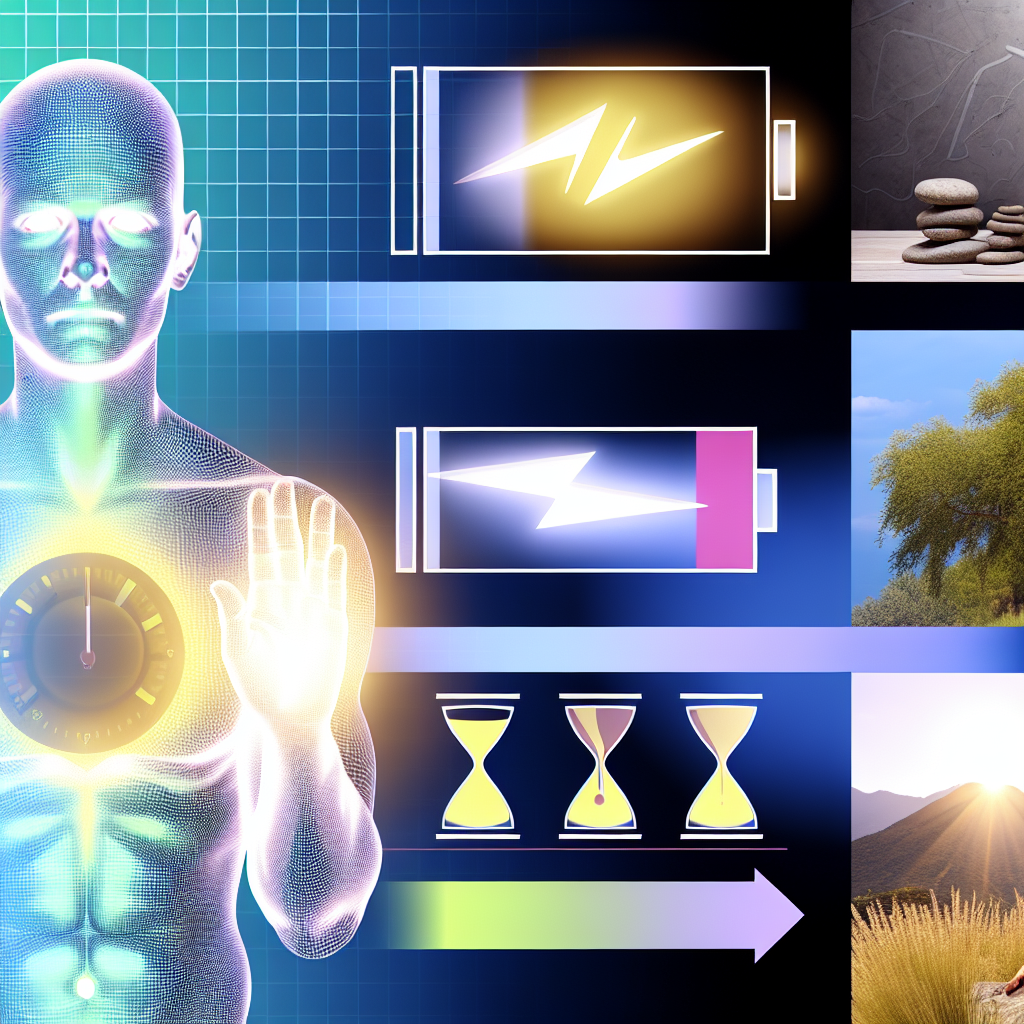
In today’s fast-paced world, the pressures faced by men across the age spectrum—from teenagers to those in their 90s—are vast and varied. As responsibilities pile up and life becomes increasingly demanding, feelings of fatigue, decreased motivation, and low libido can surface. When these symptoms arise, a common diagnosis might be **low testosterone levels**, more commonly known as “**Low T**.” However, there’s mounting evidence that in many cases, what is actually being experienced isn’t an endocrinological issue but rather **burnout in disguise**.
**Testosterone**, a hormone found predominantly in males, plays a critical role in a myriad of bodily functions, from muscle building to mood regulation. It’s no wonder that declining testosterone levels might be concerning. Yet, before opting for hormone replacement therapies like injections, it’s crucial to consider another culprit — **burnout**. Burnout, a state of emotional, physical, and mental exhaustion, stems from prolonged stress and is affecting a growing number of men today. The symptoms of burnout often mirror those of low testosterone, leading to potential misdiagnoses.
What complicates this issue further is the contemporary lifestyle of juggling careers, family, social obligations, and personal aspirations. This juggling act can deplete one’s energy reserves, creating a sense of chronic fatigue and disengagement, which mirrors **low testosterone symptoms** such as depression, fatigue, and reduced libido. For instance, a study conducted by the American Psychological Association found that men facing continuous stress exhibit symptoms similar to those with diminished testosterone levels. Recognizing this overlap is vital because the implications of mistreatment can mean the difference between true healing and unnecessary medical intervention.
Moreover, the narrative of masculinity often pushes men to seek quick fixes such as testosterone injections or other pharmaceutical treatments, overlooking the essence of holistic well-being. But the question remains: is there an alternative to these treatments that addresses the root cause—burnout—without resorting to hormone therapy? Thankfully, the answer is yes.
Features: Understanding the Connection between Burnout and Low Testosterone Symptoms
Recent medical studies have begun to shed light on the tangible connection between the lifestyle-induced phenomenon of **burnout** and the symptoms commonly attributed to **low testosterone**. The World Health Organization has officially recognized burnout as an “occupational phenomenon,” characterizing it by energy depletion, mental detachment from one’s job, and reduced efficacy. The implications of this recognition are profound as it declares burnout as a legitimate concern, requiring targeted interventions.
A study published in the Journal of Men’s Health analyzed hormonal imbalances in men undergoing stress-related conditions, revealing a substantial overlap in the manifestations of low testosterone and burnout. The research indicated that chronic stress, a primary contributor to burnout, can lead to alterations in hormone production, potentially mimicking decreased testosterone levels without any actual deficiency. Essentially, the physiological stress response can dampen testosterone production, illustrating a reversible condition with lifestyle recalibration rather than a true hormonal deficit necessitating medical replacement.
Furthermore, research conducted by Harvard Health Publishing suggests that lifestyle modifications, such as improved diet, regular exercise, and mindfulness practices, significantly revive testosterone levels naturally by reducing stress and improving overall well-being. The study emphasizes that before jumping to hormone therapies, men should explore these alternative routes, focusing on reducing stressors and fostering healthier living conditions. Effective interventions may include adopting a balanced diet rich in **omega-3 fatty acids**, engaging in physical activities that increase endurance and strength, and committing to sufficient sleep and relaxation techniques such as meditation or yoga.
Conclusion: Moving Forward with Awareness and Action
Understanding the distinction between low testosterone and burnout is essential for men eager to reclaim their vitality without resorting to potentially unnecessary medical treatments. It starts with acknowledging the pressures of modern life and the real impact chronic stress can have on our bodies. Recognizing burnout as a disguised form of low testosterone symptoms allows for actionable steps that prioritize mental and physical health.
Men should empower themselves with knowledge and seek advice from healthcare professionals who consider both physiological and psychological health intricately connected. A holistic approach that addresses the root of the problem—be it through stress management, nutritional adjustments, or lifestyle alterations—can offer a pathway to rejuvenation without the need for hormonal injections.
By tackling the underlying burnout, men of all ages can experience renewed energy levels, improved mood, and a rekindled passion for life, aligning their health with their aspirations. Therefore, it’s time to shift the conversation from quick fixes to sustainable wellness strategies that nurture both the mind and the body.
Concise Summary
The article addresses the misdiagnosis of low testosterone, or “Low T,” which is often burnout in disguise. Burnout, caused by chronic stress, can mimic symptoms of low testosterone such as fatigue, decreased motivation, and low libido. While hormone replacement therapies are a common treatment, addressing burnout through lifestyle changes can provide relief without unnecessary medical intervention. Acknowledging the distinction between the two issues enables men to pursue holistic health strategies, including stress management and nutrition adjustments, to rejuvenate their energy and passion, effectively tackling the root cause rather than opting for quick hormonal fixes.

Dominic E. is a passionate filmmaker navigating the exciting intersection of art and science. By day, he delves into the complexities of the human body as a full-time medical writer, meticulously translating intricate medical concepts into accessible and engaging narratives. By night, he explores the boundless realm of cinematic storytelling, crafting narratives that evoke emotion and challenge perspectives. Film Student and Full-time Medical Writer for ContentVendor.com