Why Most “Low T” Diagnoses Are Actually Burnout: Rethinking Testosterone Through a Nervous System Lens
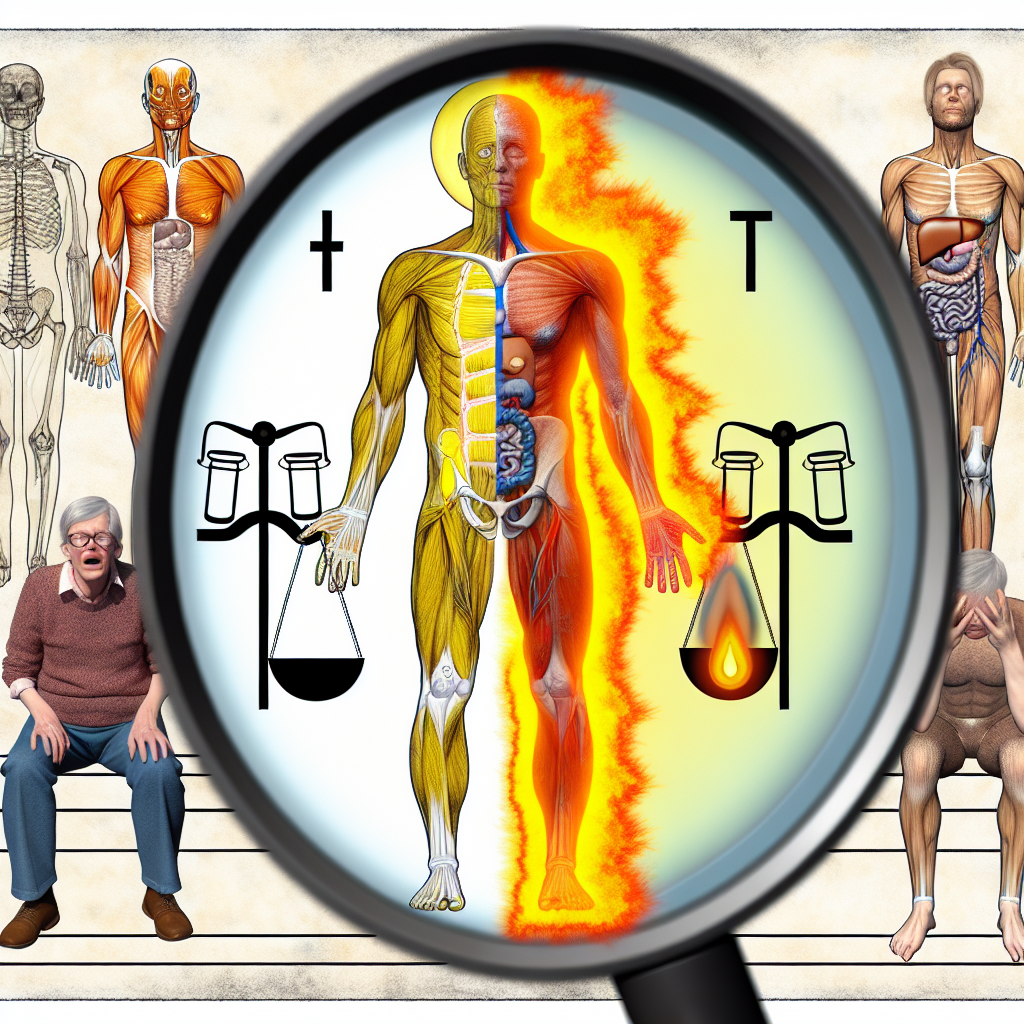
In recent years, the term **“Low T”** has become a common topic in men’s health circles, often leading to rapid diagnoses and treatments aimed at boosting **testosterone** levels. Symptoms associated with low testosterone, such as fatigue, depression, and decreased libido, are troubling for any man. However, attributing these symptoms solely to testosterone deficiency might oversimplify the issue. For many men, these symptoms may arise from something less discussed but equally impactful: **burnout**.
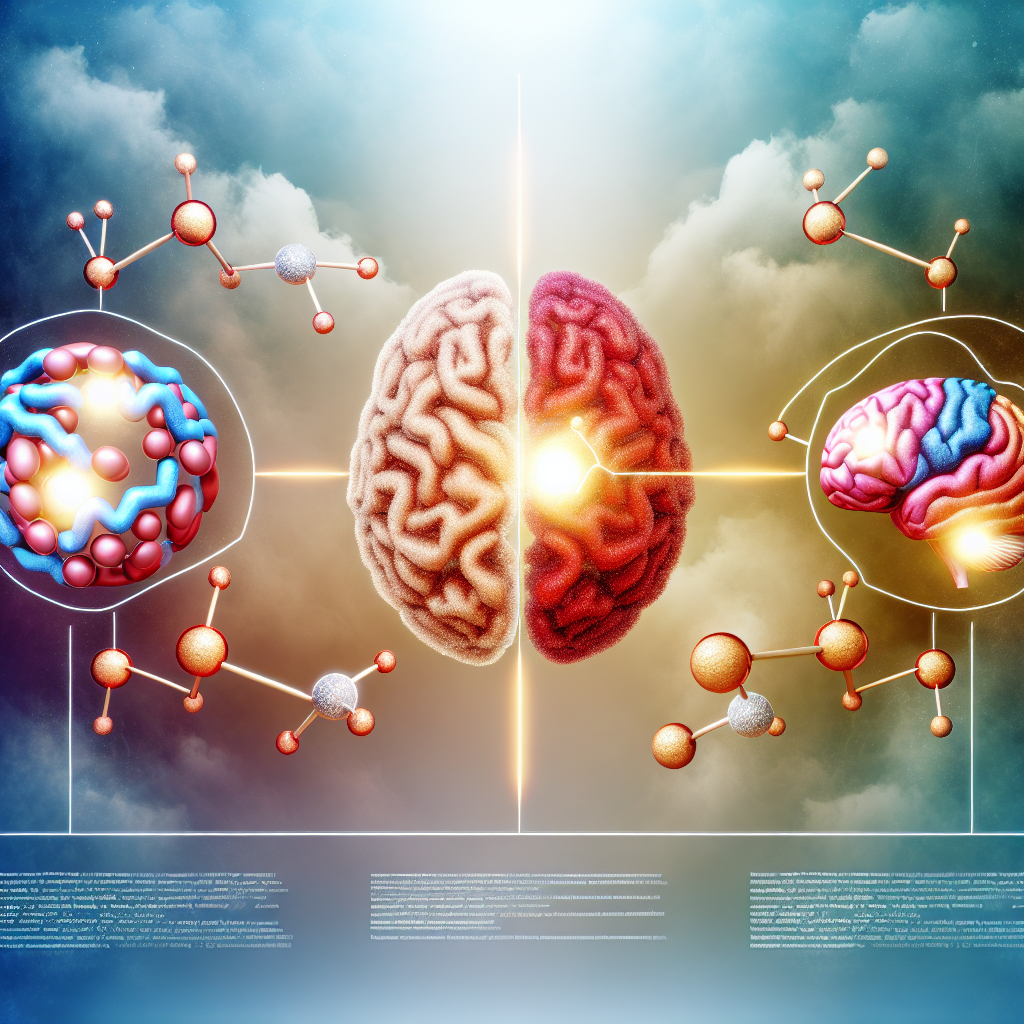
Understanding burnout is crucial. It is a state of emotional, physical, and mental exhaustion resulting from prolonged and excessive stress. In our fast-paced, constantly connected world, burnout has become more prevalent. This syndrome wreaks havoc on the **nervous system**, influencing every part of the body, including the hormonal systems. Prolonged periods of stress without adequate recovery can lead to chronic activation of the body’s stress response, causing the adrenal glands to work overtime, which in turn affects testosterone production.
Sean McCann, a psychologist who has extensively studied stress and hormone levels, notes that when the nervous system is constantly under stress, it prioritizes survival over reproduction or leisure. This means it could suppress testosterone production. Therefore, many cases of “Low T” might be symptoms of prolonged stress exposure rather than a primary dysfunction in testosterone production.
The implications of misdiagnosing burnout as low testosterone are significant. Treating the symptoms without addressing the root cause not only neglects the underlying issue but also potentially subjects individuals to unnecessary treatments. Understanding whether a person is genuinely suffering from low testosterone or if they’re tired and stressed requires a reevaluation of the diagnostic approach, considering the broader picture of mental health and stress.
Features
To more comprehensively understand the interrelation between burnout and perceived low testosterone levels, we must look into recent studies that highlight the impact of stress on hormones. A groundbreaking study from the University of California explored the relationship between chronic stress and hormone levels in men, showing that **cortisol**, the body’s primary stress hormone, can have an inhibitory effect on testosterone production. University of California Study
Furthermore, research published in the journal **Psychoneuroendocrinology** examined the functioning of the **Hypothalamic-Pituitary-Adrenal (HPA) axis**, a central player in our stress response. When chronically activated, as is common in long-term exposure to stress, the HPA axis can lead to reduced sensitivity to testosterone and a decrease in its production. Psychoneuroendocrinology Study
Additionally, a clinical trial conducted at the **National Institutes of Health (NIH)** evaluated the effects of stress reduction interventions on testosterone levels in men. Participants who engaged in regular mindfulness and relaxation practices showed a notable increase in testosterone levels, suggesting that addressing stress and its physiological manifestations can, in turn, normalize hormone levels. NIH Clinical Trial
These studies collectively underscore the significant influence of the nervous system and stress levels on testosterone production, challenging the traditional testosterone-centric view of male vitality.
Conclusion
The conversation surrounding “Low T” diagnoses needs a critical revamp with a focus on mental well-being and the pervasive impacts of stress. While **testosterone replacement therapy** may be appropriate for some men, it’s crucial to consider whether burnout might be the true culprit of their symptoms. Screening for burnout, evaluating stress levels, and exploring stress reduction techniques could offer effective relief and improve quality of life without resorting to hormonal treatments. Prioritizing a holistic approach that accounts for both physiological and psychological elements will ensure a more accurate diagnosis and a more tailored, effective treatment strategy.
Shifting the narrative from solely focusing on testosterone to also considering the nervous system and stress-related contributors represents a proactive step towards redefining men’s health. This approach broadens the scope of diagnosis and empowers men with the tools to address the root causes of their symptoms, ultimately leading to more sustainable health outcomes.
**Concise Summary:**
In recent years, many symptoms traditionally linked to **low testosterone** (Low T)—such as fatigue, depression, and reduced libido—may actually be manifestations of **burnout** due to prolonged stress. Misdiagnosing these symptoms neglects addressing stress, a root cause, leading potentially to unnecessary treatments. Recent studies highlight stress’s substantial impact on the **nervous system** and hormone production, furthering this understanding. Shifting focus from testosterone-centric diagnoses to considering mental well-being and stress management allows a more holistic approach, empowering men with effective tools for lasting health outcomes.

Dominic E. is a passionate filmmaker navigating the exciting intersection of art and science. By day, he delves into the complexities of the human body as a full-time medical writer, meticulously translating intricate medical concepts into accessible and engaging narratives. By night, he explores the boundless realm of cinematic storytelling, crafting narratives that evoke emotion and challenge perspectives. Film Student and Full-time Medical Writer for ContentVendor.com