Unveiling the Brain-Heart Connection: How Mental Health Fuels Sexual Vitality in Men
In recent years, the interconnected nature of **mental**, **cardiovascular**, and **sexual health** has emerged as a crucial area of study for both medical professionals and researchers. There has been a growing recognition that emotions and **mental wellness** are not merely abstract processes occurring in the brain but are deeply connected with our body’s physiological systems, including the heart. For men from their teenage years to their 90s, understanding this connection offers transformative insights into how mental health can directly influence sexual vitality and overall wellness.
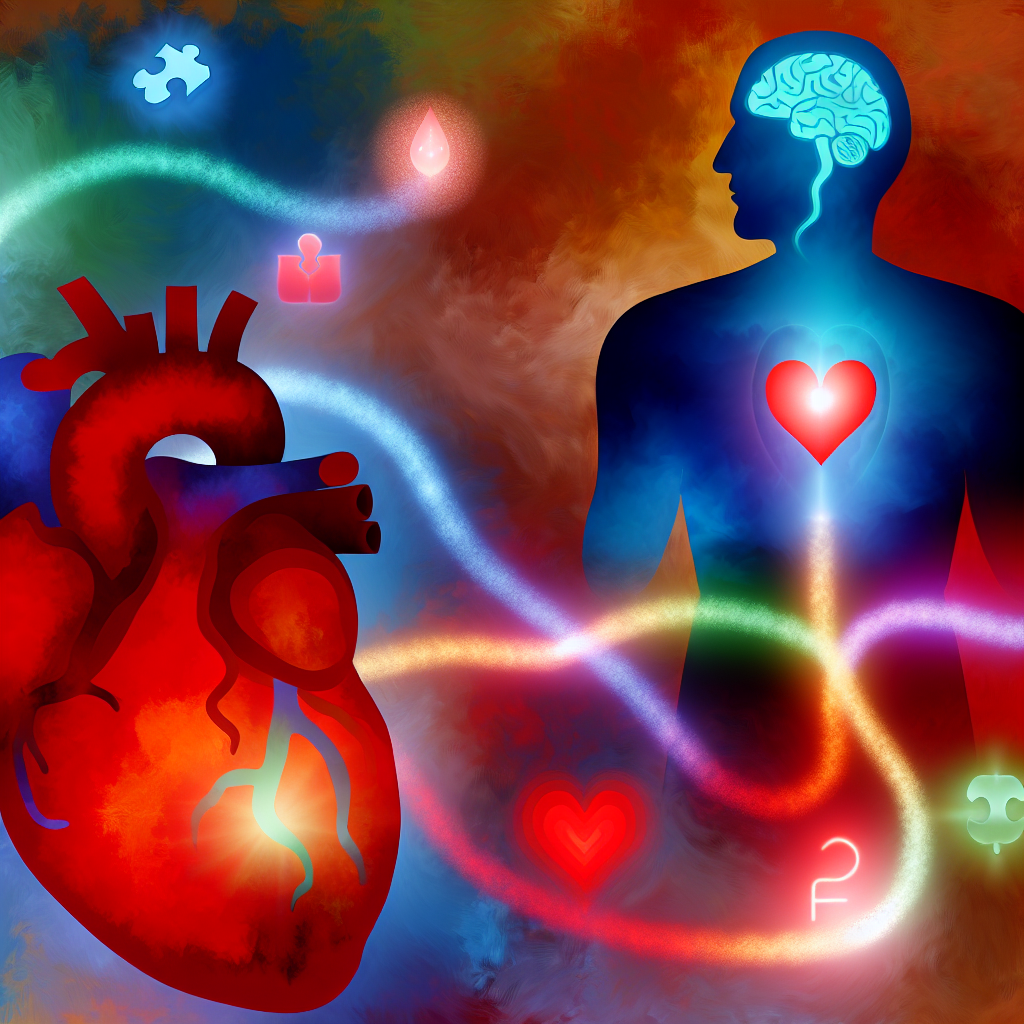
The **brain-heart connection** suggests that our emotional states, particularly stress and anxiety, can impact heart health, which in turn affects sexual function. Stress triggers the release of hormones like cortisol and adrenaline, which can have detrimental effects on cardiovascular health if sustained over time. These changes can impair blood flow, increase blood pressure, and elevate heart rate—all critical factors for achieving and maintaining sexual arousal.
Moreover, mental health conditions such as depression can lead to reduced libido, a common yet often overlooked symptom. Depression can alter neurotransmitter activities, affecting the brain areas involved in sexual arousal. This alteration can result in decreased desire and performance, creating a vicious cycle where sexual dysfunction exacerbates mental distress, leading to further health complications.
For teenage boys, puberty brings about significant physical and emotional changes, often accompanied by fluctuations in mental health. Developing a healthy understanding of how stress and anxiety can impact emerging sexuality is important for establishing a foundation of healthy adult relationships.
For older men, maintaining mental health becomes increasingly significant as they navigate life changes, including retirement and potential loss of partners. Sexual vitality in this stage is not just about the physical ability to engage in sexual activity but also encompasses emotional closeness and satisfaction. Fostering a positive mental outlook and addressing psychological issues can mitigate age-related declines in sexual function, allowing for continued intimacy and relational satisfaction.
Features Section: Professional and Medical Studies
The brain-heart-sexual health connection has been the subject of extensive research. A noteworthy study published in the Journal of Sexual Medicine explored how psychological distress contributed to cardiovascular problems, which subsequently led to issues in sexual health. Researchers found that men with high stress and anxiety were significantly more likely to experience erectile dysfunction (ED), linking mental health directly to sexual health.
Another study published in the American Journal of Cardiology highlighted the impact of mental health on heart disease and erectile dysfunction. The research demonstrated that men who managed their stress through cognitive behavioral therapy not only experienced better psychological outcomes but also improved erectile function. This suggests that interventions aiming at stress reduction can have multifaceted benefits, improving mental state, cardiovascular health, and sexual performance.
Furthermore, a landmark study in the Journal of Clinical Endocrinology & Metabolism indicated that men experiencing depressive symptoms had significantly lower levels of testosterone, further complicating sexual health. Testosterone replacement therapy, when combined with mental health treatments like psychotherapy, was shown to improve both mood and sexual function, illustrating the biological interplay between mental wellness and sexual vitality.
Mental health also plays a role in the so-called “nocebo effect,” where negative expectations about sexual performance lead to actual declines in function. Behavioral studies have demonstrated how cognitive reframing techniques can improve sexual outcomes, as men who shifted their thought patterns experienced fewer symptoms of anxiety-related ED.
These studies underscore the importance of a holistic approach to men’s health, where mental wellness is regarded as an integral component of sexual health. Healthcare practitioners increasingly acknowledge this connection, advocating for treatments that encompass psychological and physiological aspects to improve the overall quality of life.
Conclusion
The intricate relationship between the brain, heart, and sexual health is a testament to the complexity of the human body and the importance of a comprehensive approach to wellness. Addressing mental health proactively can yield significant benefits for sexual vitality, enhancing both physical and emotional dimensions of men’s lives from adolescence through later years.
Recognizing signs of stress, anxiety, or depression as potential precursors to cardiovascular and sexual health issues is imperative. Encouragingly, with the proper interventions, such as therapy or lifestyle changes, men can cultivate a robust foundation for well-being. Healthcare providers can play a pivotal role by facilitating conversations that extend beyond the physical symptoms to address mental health concerns, ultimately leading to more satisfying and fulfilling intimate relationships.
For further reading, consider exploring these resources:
1. The Journal of Sexual Medicine
2. American Journal of Cardiology
3. Journal of Clinical Endocrinology & Metabolism
Understanding and addressing the brain-heart connection can be life-changing, paving the way for healthier hearts and a thriving sense of self throughout the many stages of life.
**Concise Summary:**
The connection between mental, cardiovascular, and sexual health in men is increasingly recognized by researchers. This intricate interaction shows how emotional states like stress affect heart health, influencing sexual vitality. Through various studies, it’s demonstrated that stress and depression can impair sexual function, with interventions like cognitive behavioral therapy improving both mental and erectile health. Emphasizing a holistic view of health includes addressing psychological issues, potentially enhancing intimacy and satisfaction across all life stages. This highlights the need for comprehensive treatment approaches by healthcare providers to improve men’s overall quality of life.

Dominic E. is a passionate filmmaker navigating the exciting intersection of art and science. By day, he delves into the complexities of the human body as a full-time medical writer, meticulously translating intricate medical concepts into accessible and engaging narratives. By night, he explores the boundless realm of cinematic storytelling, crafting narratives that evoke emotion and challenge perspectives. Film Student and Full-time Medical Writer for ContentVendor.com