Traditional Medicine for Male Vitality
In today’s fast-paced and stress-filled world, men of all ages—from curious and health-conscious teenagers to wise elders in their 90s—are actively seeking natural approaches to support and enhance their well-being. When we talk about male vitality, we refer to a broad spectrum of physical, mental, and sexual wellness. While modern medicine continues to offer remarkable advancements, there’s a growing interest in traditional medicine as a complementary or even primary path toward achieving optimal health and vitality.
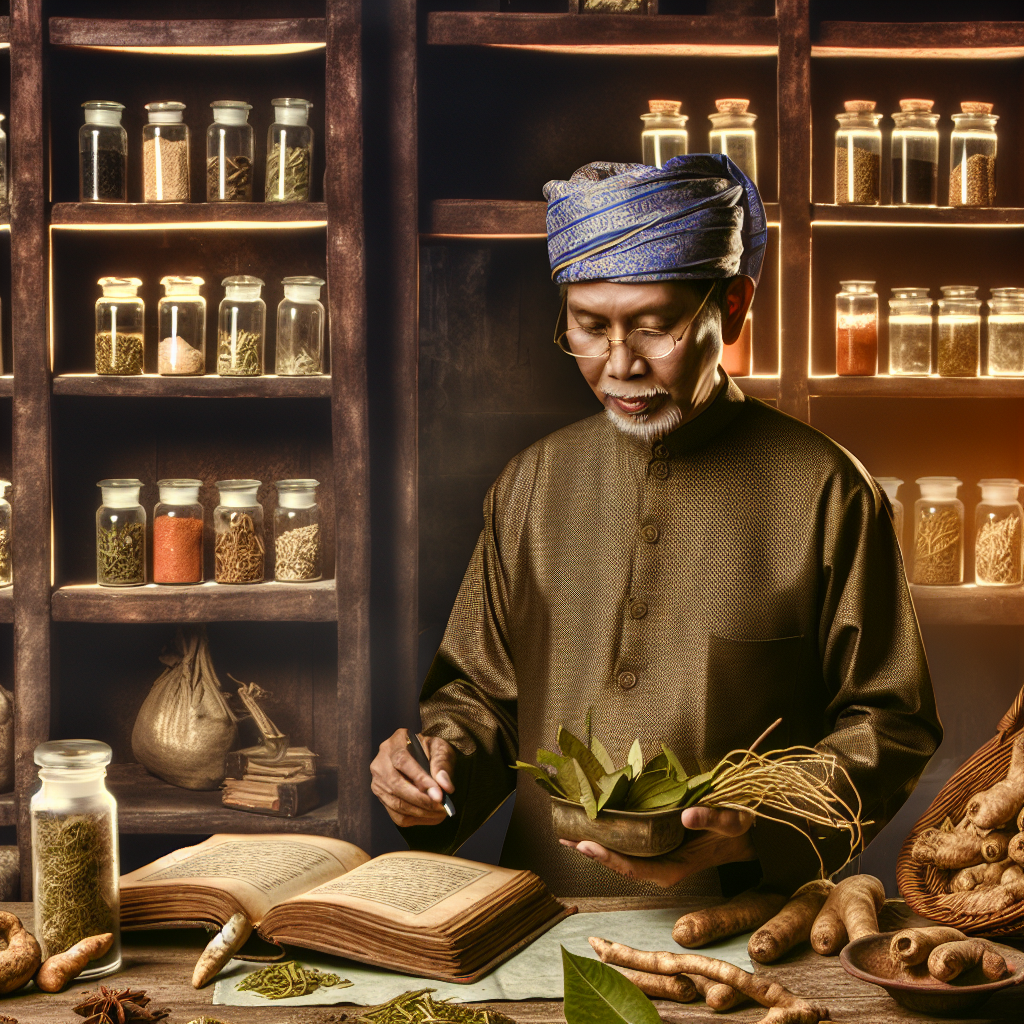
Traditional medicine for male health encompasses a wide variety of time-honored systems including Ayurveda from India, Traditional Chinese Medicine (TCM), African indigenous healing, Native American herbal practices, and Mediterranean wellness philosophies. These systems focus on the harmony between the mind, body, and environment—a principle modern science increasingly supports in promoting long-term physical and emotional health.
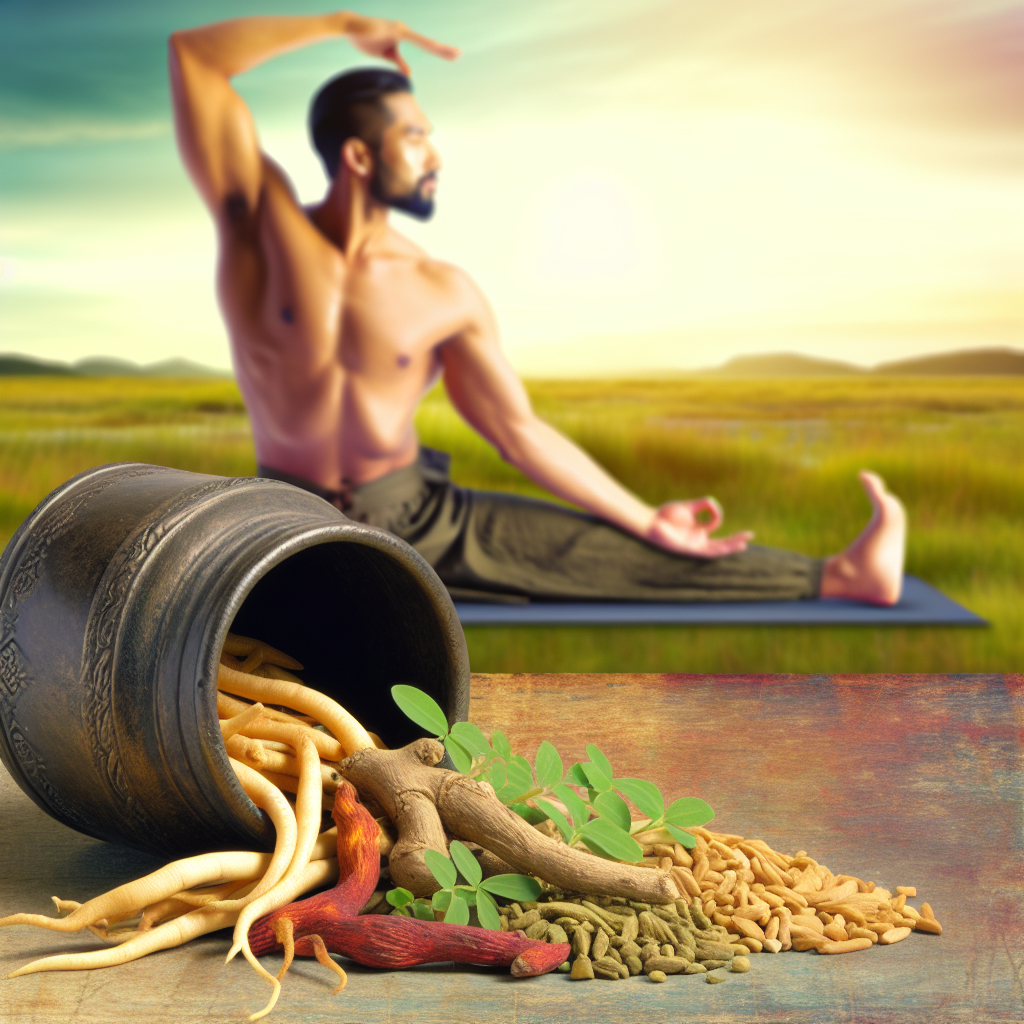
Specifically for males, traditional medicine emphasizes enhancing stamina, energy, libido, hormone regulation, resilience against stress, and immunity through a holistic regimen. Ayurvedic practitioners, for instance, may recommend ashwagandha to reduce cortisol and support testosterone levels, whereas a Traditional Chinese herbalist may prescribe ginseng and horny goat weed for stamina and sexual performance. Once seen as mystical, these remedies are now supported by a growing body of scientific research that reinforces their credibility and effectiveness.
A key driver behind this renewed interest is the desire to avoid over-reliance on synthetic pharmaceuticals—many of which may come with unwanted side effects or declining efficacy over time. This shift is not limited to older demographics; younger men are turning toward traditional methods as proactive measures to counter stress, fatigue, and hormonal imbalances in today’s digitally-driven world.
Whether you are a teenager navigating school and sports, a man in his 30s managing work and family responsibilities, or a retired senior aiming to preserve energy and vitality, traditional medicine provides a time-tested and integrative route to achieving balance and health. But how well do these ancient methods hold up under modern clinical investigation? Let’s explore what science has to say.
Professional and Medical Studies Supporting Traditional Medicine for Male Vitality
Modern medical researchers have begun to rigorously study the biological effects of substances once restricted to folkloric wisdom. These evaluations particularly focus on key components of hormonal health, energy production, libido enhancement, and stress regulation—all critical areas of male vitality.
One of the most celebrated herbs in Ayurveda, Ashwagandha (Withania somnifera), has gained global attention for its adaptogenic and testosterone-boosting effects. A 2019 study published in the American Journal of Men’s Health revealed significant benefits in testosterone levels, sperm quality, muscle strength, and fatigue resistance over a 12-week supplementation period—highlighting its value in stressful environments.
Within Traditional Chinese Medicine, Panax ginseng is revered for promoting male stamina and sexual potency. Scientific validation comes from a 2013 meta-analysis in The Journal of Sexual Medicine, which concluded that ginseng significantly outperformed placebos in the treatment of erectile dysfunction, likely due to enhanced nitric oxide levels and improved blood flow.
Tongkat Ali (Eurycoma longifolia), a traditional Southeast Asian root, is renowned for its dual capacity to optimize testosterone while also regulating stress. A 2012 study in Andrologia showed significant reductions in cortisol and increases in testosterone, proving its potential for not only enhancing physical performance but also stabilizing mood in psychologically stressful situations.
The Andean native root, Maca (Lepidium meyenii), long used by indigenous Peruvians, is celebrated for its subtle hormonal impact and libido-enhancing properties. A clinical study published in Andrologia concluded that after 12 weeks of supplementation, male participants reported improved sexual desire and vitality without affecting serum testosterone levels—highlighting its unique adaptogenic capacity distinct from hormonal drugs.
Acupuncture’s reputation in treating male sexual dysfunction continues to gain legitimacy. A 2016 article in The Journal of Urology documented that acupuncture significantly benefitted men with psychogenic erectile dysfunction by enhancing neural communication and vascular flow. This non-pharmaceutical approach stands as a potent tool for addressing both physical and psychological aspects of male vitality.
What’s particularly noteworthy is that traditional medicine doesn’t just highlight individual remedies, but embraces an integrated approach. Herbal treatments are customarily paired with nourishing diets, yoga or tai chi, therapeutic massage, breathwork, and aligned sleep habits. These lifestyle frameworks, shaped over millennia, are now echoed in modern integrative medicine as optimal strategies for achieving vibrant, long-term male health.
Conclusion
Achieving consistent and lasting male vitality requires more than symptomatic relief—it demands a deeper, proactive, and personal commitment to health. Traditional medicine delivers this through a fusion of herbal wisdom, mindful movement, stress management, and whole-body alignment. Remedies like ashwagandha, ginseng, tongkat ali, maca, and practices like acupuncture represent a rich, culturally diverse toolkit for life-long health reinforcement.
This balanced approach speaks to the evolving needs of the modern man, who must maintain endurance, mental clarity, sexual health, and emotional stability in a rapidly shifting world. Most appealingly, traditional medicine treats the whole person—not just isolated symptoms or body parts—a concept that modern healthcare is now gradually integrating back into its practices.
With increasing scientific research confirming these age-old methods, we are witnessing a dynamic and complementary union between past wisdom and modern precision. When pursued with education, respect, and professional guidance, traditional medicine promises not just healthy longevity, but a transformative journey to complete male wellness.
References
- Ginseng Use in Erectile Dysfunction – The Journal of Sexual Medicine
- Tongkat Ali Improves Stress Hormone Profile – PubMed
- Maca and Male Sexual Health – Andrologia
- Ashwagandha and Testosterone Function – American Journal of Men’s Health
- Acupuncture for Male Sexual Dysfunction – The Journal of Urology
Summary
Traditional medicine offers a holistic and time-tested approach to maintaining male vitality, emphasizing hormonal balance, energy, libido, and stress management. Herbs like ashwagandha, ginseng, tongkat ali, and maca, along with acupuncture and lifestyle changes, are backed by modern research. These practices support physical and mental resilience across all ages. As modern science continues to validate these ancient remedies, men are increasingly integrating traditional methods to enhance health, vitality, and overall well-being—creating a balance between the past and present for a healthier future.

Dominic E. is a passionate filmmaker navigating the exciting intersection of art and science. By day, he delves into the complexities of the human body as a full-time medical writer, meticulously translating intricate medical concepts into accessible and engaging narratives. By night, he explores the boundless realm of cinematic storytelling, crafting narratives that evoke emotion and challenge perspectives. Film Student and Full-time Medical Writer for ContentVendor.com