Redefining Masculinity: How Vulnerability Enhances Male Sexual Performance and Vitality
Introduction
In contemporary society, the traditional views of **masculinity** are undergoing a significant transformation. For decades, the idea of the “stoic male” who exhibits strength through emotional suppression has dominated the cultural narrative. However, emerging perspectives suggest that embracing **vulnerability** and openness can enhance various aspects of male life, including sexual performance and overall vitality. This indicates that the ability to communicate openly about one’s feelings, fears, and desires is not a sign of weakness but rather a conduit to a healthier, more enjoyable life.
The cultural shift towards a more nuanced understanding of masculinity is supported by research and expert opinions. Dr. **Brené Brown**, a well-known researcher, posits that vulnerability is a powerful source for courage and connection. Her work, along with others’, indicates that when men embrace vulnerability, they pave the way for genuine connections with partners, leading to improved intimacy and satisfaction both emotionally and sexually. This narrative suggests that vulnerability could be an answer to the distress many men face due to the pressures of conforming to outdated masculine norms.
Furthermore, societal norms that discourage **emotional expression** among men contribute to higher rates of mental health issues, such as **depression** and **anxiety**, which can negatively impact sexual performance. According to the **American Psychological Association**, mental health is closely linked with sexual well-being. When men are encouraged to express their emotions and vulnerabilities, they may experience decreased stress and anxiety, which, in turn, can lead to enhanced sexual performance.
Redefining masculinity to include vulnerability resonates with younger generations who seek authenticity and meaningful connections. It also holds potential for older men, enabling them to break free from limiting stereotypes. Embracing vulnerability doesn’t entail abandoning traditional masculine traits like strength and resilience; instead, it involves integrating emotional intelligence to foster a more balanced and fulfilling life.
Features
Scientific research supports the proposition that vulnerability has profound implications for male sexual performance and vitality. A study published in the [Journal of Sex Research](https://www.tandfonline.com/toc/hjsr20/current) found that men who are emotionally expressive tend to experience higher sexual satisfaction. The study suggests that open emotional communication improves relationship satisfaction, which positively correlates with sexual performance. Communication about desires and anxieties enhances intimacy, making the act of sex more fulfilling and enjoyable.
Moreover, vulnerability in men can help alleviate **performance anxiety**—a common but often undiscussed issue. According to a study in the [Archives of Sexual Behavior](https://link.springer.com/journal/10508), men who experience performance anxiety report poorer sexual experiences. However, those who communicate their vulnerabilities with partners often find relief. Being open about fears reduces the perceived pressure to “perform,” allowing sexual experiences to be less about achieving perfection and more about mutual enjoyment and connection.
On the physiological front, vulnerability can contribute to lower **cortisol levels**, the stress hormone associated with anxiety and erectile dysfunction. Research published in [Psychoneuroendocrinology](https://www.journals.elsevier.com/psychoneuroendocrinology) showed that individuals engaging in supportive, open conversations exhibited lower cortisol levels compared to those who did not. Lower stress levels promote better physiological responses, leading to improved sexual function and vitality.
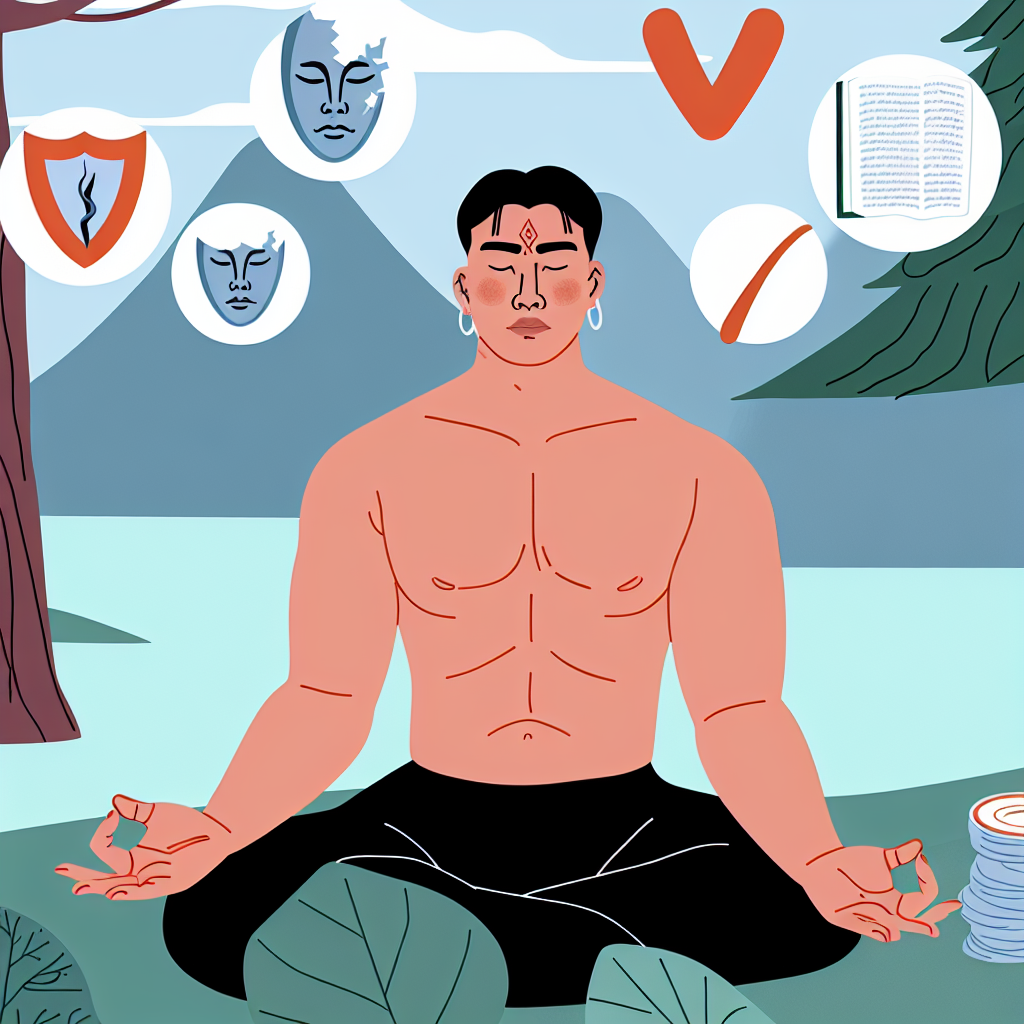
The integration of **mindfulness** and emotional openness, often seen as facets of vulnerability, also plays a role in enhancing male vitality. A study in the [Journal of Happiness Studies](https://link.springer.com/journal/10902) suggested that mindful individuals reported better health outcomes and a higher quality of life. Emotional awareness and acceptance can result in healthier lifestyle choices, such as regular exercise and a balanced diet, which naturally boost sexual vitality.
Conclusion
The evolving concept of masculinity that embraces vulnerability offers a pathway to improved sexual performance and overall vitality for men. By challenging outdated stereotypes and promoting emotional authenticity, men can forge deeper connections with their partners, mitigate performance anxiety, and achieve better mental and physical health. Communication and emotional openness should be seen as strengths, fostering relationships built on trust and mutual understanding. Encouraging men to be vulnerable is not a call to abandon traditional masculine traits, but rather an invitation to integrate emotional intelligence for a more balanced and fulfilling life. Embracing vulnerability is not just beneficial—it’s transformative, opening doors to healthier, happier lives at any age. As society continues to redefine masculinity, the courage to be vulnerable emerges as a critical component of a well-rounded, vital life.
**Summary:**
The transformation of traditional masculinity to embrace vulnerability is positioning itself as a key component in enhancing male sexual performance and vitality. Established norms that often suppress emotional expression inadvertently contribute to mental health issues and diminished sexual satisfaction. When vulnerability is embraced, men’s mental health can improve, leading to reduced stress and anxiety, key factors linked to better sexual performance. This cultural shift encourages younger and older generations to break free from limiting stereotypes, harmonizing traditional masculine traits with emotional intelligence for a more genuine and fulfilling life.

Dominic E. is a passionate filmmaker navigating the exciting intersection of art and science. By day, he delves into the complexities of the human body as a full-time medical writer, meticulously translating intricate medical concepts into accessible and engaging narratives. By night, he explores the boundless realm of cinematic storytelling, crafting narratives that evoke emotion and challenge perspectives. Film Student and Full-time Medical Writer for ContentVendor.com