Recovery Modalities for Athletes – Cryotherapy and PEMF
Introduction
Athletes—from teenage sports enthusiasts to elite professionals in their 90s—subject their bodies to intense physical stress. Whether it’s through high-performance training, competition, or recreational fitness, continuous physical exertion leads to wear and tear. Thus, effective recovery strategies are essential. Recovery is not simply rest; it’s about optimizing the body’s ability to repair, rebuild, and restore performance levels.
This is where advanced recovery modalities like Cryotherapy and PEMF therapy (Pulsed Electromagnetic Field Therapy) come into play.
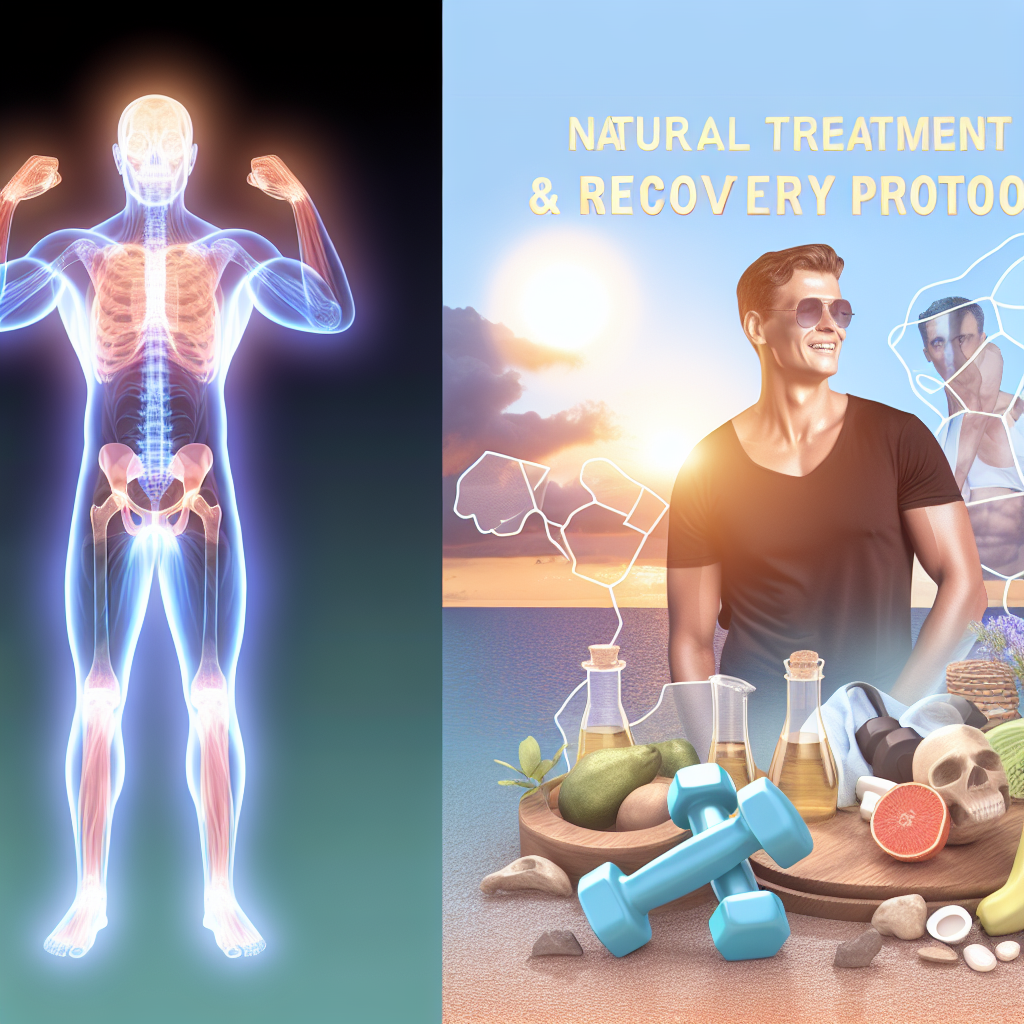
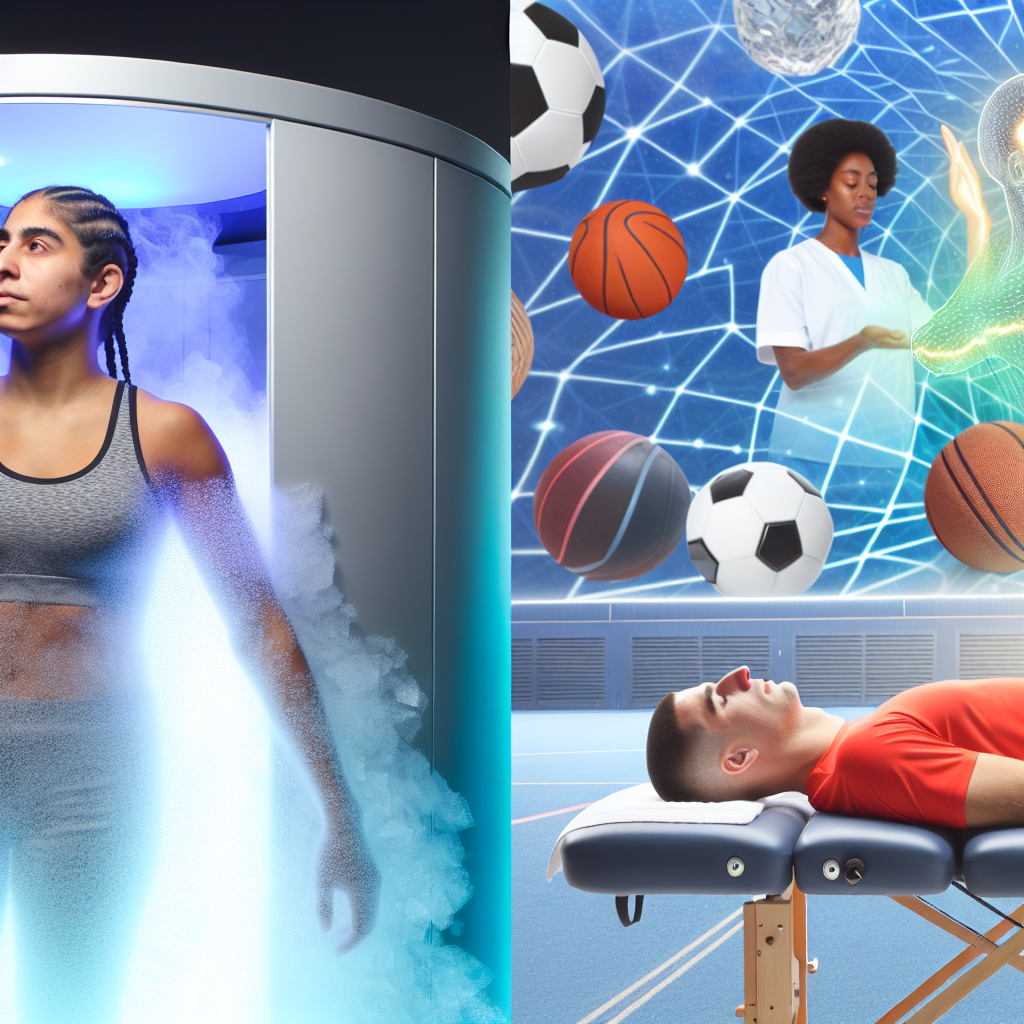
These modern techniques are no longer reserved only for elite athletes—they’re becoming increasingly accessible to the broader public, particularly active men who want to maintain long-term physical vitality. Cryotherapy is known for its pain-relieving, anti-inflammatory effects by using extreme cold to stimulate vascular changes and healing. In contrast, PEMF therapy works at the cellular level by promoting regeneration and reducing inflammation through electromagnetic pulses.
Both therapies are gaining traction in professional sports, including the NFL, NBA, MMA, and Olympic programs, due to their effectiveness in muscle recovery, joint pain relief, and boosting athletic performance. Male athletes across age brackets—from teenagers to retirees—can benefit from these technologies to extend their active years, minimize medication dependency, and treat chronic injuries through natural means.
As the field of sports science evolves, integrating technologies like Cryotherapy and PEMF into a personalized recovery plan becomes not only practical but essential. Understanding how each therapy works and the research supporting them helps individuals safely incorporate these tools into their routines.
Features: Clinical Backing and Benefits of Cryotherapy and PEMF
Cryotherapy
Cryotherapy involves brief exposure (typically 2–4 minutes) to sub-zero temperatures through a cryochamber or localized cold therapy. This extreme cold causes blood vessels to constrict, slows down tissue metabolism, and reduces swelling and pain. Once the session ends, rapid vasodilation increases blood flow to injured or sore areas, helping flush toxins and provide nutrient-rich oxygenated blood that promotes healing.
A study published in Frontiers in Physiology (2014) found that whole-body cryotherapy significantly reduces muscle soreness and fatigue in elite athletes post-training. These findings explain why professional sports teams have widely adopted cryotherapy for athletic recovery.
Additionally, cryotherapy’s analgesic effects are notable. Exposing nerve endings to cold slows nerve signal conduction, thereby dulling pain. A 2017 meta-analysis in PLoS One concluded that cryotherapy reduced both inflammation and pain, especially when used in combination with other therapies like physical therapy or rehabilitation exercises.
Regular sessions may enhance sleep quality, relieve chronic pain, and support immune function, making it an appealing option for aging individuals or athletes needing quick recovery windows between intense training.
PEMF Therapy
PEMF therapy delivers low-frequency electromagnetic pulses to the body to stimulate healing and regenerative processes. Unlike cryotherapy, PEMF works at the cellular and molecular level. It helps enhance mitochondrial function, improve circulation, regulate ion exchange across the cell membrane, and boost nitric oxide release—an essential molecule for reducing inflammation and improving blood flow.
A landmark study in Bioelectromagnetics (2009) showed that PEMF therapy significantly decreased pain and improved function in individuals with musculoskeletal conditions. The FDA has since approved PEMF devices for treating nonunion bone fractures, postoperative pain, and depression—an indicator of its wide-reaching physiological impact.
PEMF is especially suited for older or injured individuals who may not tolerate more physically intense modalities like massage or physical therapy. It can be used regularly with minimal side effects to help with joint inflammation, muscle strains, back pain, or even systemic fatigue.
Furthermore, a NASA four-year PEMF research study found that this therapy promoted cellular growth, enhanced bone tissue recovery, and reduced inflammation among astronauts—suggesting PEMF’s benefits are not only immediate but also sustainable, especially in challenging environments that mimic athletic wear and tear.
Synergistic Effects of Cryotherapy and PEMF
When used together, Cryotherapy and PEMF offer synergistic benefits. By combining vascular and cellular mechanisms, recovery accelerates more effectively. Reported benefits include:
– Faster clearance of metabolic waste like lactic acid
– Shorter injury recovery times
– Improved muscle performance
– Enhanced sleep quality for deeper recovery
This combination is particularly effective for high-level athletes or aging males dealing with chronic discomfort.
Who Benefits
Athletes of all ages—from 17-year-old high school football players to retired men managing arthritis—stand to benefit from integrating these advanced recovery modalities.
Cryotherapy is generally safe for teens and older adults when supervised, offering immediate relief for soft-tissue inflammation and overuse injuries. PEMF therapy, thanks to its non-invasive nature, is particularly ideal for individuals who cannot endure physical rehab techniques such as deep tissue manipulation or strenuous stretching routines.
Moreover, older adults leading sedentary lives can benefit greatly. PEMF therapy stimulates musculoskeletal system function, boosts circulation, and has shown promise in increasing bone density and flexibility—critical for preserving mobility and independence over the long term.
For middle-aged men managing early signs of joint degeneration or for active retirees looking to avoid medication dependency, these technologies offer a way to maintain an independent and robust lifestyle.
Conclusion
Athletic performance is only as strong as the body’s ability to recover. Cryotherapy and PEMF therapy represent two of the most exciting innovations in sports medicine and holistic health. They offer everything from fast muscle repair and effective pain relief to long-term rejuvenation of aging joints and tissues.
For active men—from teenagers in training to seniors striving to stay mobile—these non-invasive, drug-free therapies contribute significantly to lifelong wellness. While Cryotherapy utilizes cold-induced vascular shifts for recovery, PEMF delves into cellular repair mechanisms. Together, they amplify the body’s natural healing abilities.
Before beginning any new health regimen, it’s crucial to consult a qualified healthcare provider to tailor treatments to individual performance needs and health conditions. For those looking to maximize results from workouts, prevent injury, and enjoy an energized lifestyle, Cryotherapy and PEMF could be a game-changing addition to any recovery toolkit.
Concise Summary
Cryotherapy and PEMF therapy are advanced, non-invasive recovery methods gaining popularity among athletes and active men of all ages. Cryotherapy uses extreme cold to reduce inflammation and pain, while PEMF employs electromagnetic pulses to enhance cellular repair and circulation. Supported by research, these therapies accelerate muscle recovery, relieve chronic conditions, and promote long-term mobility. Safe for teenagers to seniors, they offer natural alternatives to medication. When used together, they amplify healing and improve performance. For athletes and fitness-oriented men, integrating Cryotherapy and PEMF can be vital for sustained wellness and peak physical function.
References
1. Frontiers in Physiology (2014) – Whole-body cryotherapy empirical evidence
2. PloS One (2017) – Impact of cryotherapy on inflammation and recovery
3. Bioelectromagnetics (2009) – Clinical effects of PEMF therapy
4. NASA PEMF Study
5. FDA Approval of PEMF Devices

Dominic E. is a passionate filmmaker navigating the exciting intersection of art and science. By day, he delves into the complexities of the human body as a full-time medical writer, meticulously translating intricate medical concepts into accessible and engaging narratives. By night, he explores the boundless realm of cinematic storytelling, crafting narratives that evoke emotion and challenge perspectives. Film Student and Full-time Medical Writer for ContentVendor.com