Premature Ejaculation – Comprehensive Treatment Strategies
Introduction
Premature ejaculation (PE) is one of the most common male sexual dysfunctions, affecting approximately 1 in 3 men at some point in their lives. Regardless of age—whether adolescent men just beginning their sexual lives or older adults coping with aging—it causes a significant emotional toll.
Characterized by ejaculation that occurs within about one minute of vaginal penetration (primary PE), or a significantly reduced latency time after a period of typical function (acquired PE), it impacts not only sexual satisfaction but also mental and emotional well-being.
Previously considered purely psychological, current research indicates a combination of causes—psychological, biological, and sometimes genetic. Common factors include neurotransmitter imbalances, hormonal changes, and performance anxiety. Fortunately, advances in medicine and an increased openness in discussing men’s sexual health are offering targeted solutions suited to individual needs.
This overview explores evidence-based treatment strategies—from daily medications and topical applications to behavioral therapy and physical training—to help individuals of all ages reclaim control over their sexual health.
Medical Research and Treatment Approaches
Scientific progress over recent decades has led to a deeper understanding of PE and its most effective treatment methods. The International Society for Sexual Medicine (ISSM) clinically defines PE as ejaculation that happens within about one minute of vaginal penetration, combined with an inability to delay ejaculation during intercourse and resulting in distress for the individual. This definition guides accurate diagnosis and more structured care plans.
One of the most widely used treatments for PE is the prescription of selective serotonin reuptake inhibitors (SSRIs), such as paroxetine, fluoxetine, or sertraline. These medications, originally intended for depression, have shown the side effect of delayed ejaculation. A study in the Journal of Sexual Medicine demonstrated how SSRIs can increase Intravaginal Ejaculatory Latency Time (IELT) from under a minute to over four minutes—a significant improvement in sexual performance and satisfaction.
For men looking for localized, non-systemic solutions, topical anesthetic creams such as lidocaine-prilocaine are a viable short-term solution. These creams numb sensitivity on the penis to delay climax. A randomized controlled trial published in the International Journal of Impotence Research found that consistent application nearly tripled IELT in users within weeks.
Beyond pharmacological treatments, behavioral techniques like the “stop-start” and “squeeze” methods remain effective. These techniques were originally outlined by renowned sex researchers Masters and Johnson. They condition the man to identify the “point of no return,” helping to delay ejaculation through repetition and mindfulness.
Cognitive behavioral therapy (CBT) has also proven beneficial. Men suffering from performance anxiety, low self-confidence, or negative sexual beliefs often benefit from this therapy alone or in tandem with SSRIs. A 2018 study in Behavior Research and Therapy showed that combining CBT with medication results in greater improvements than using medication alone.
Emerging data also supports the role of pelvic floor muscle control in determining ejaculatory timing. Pelvic floor physical therapy, including Kegel exercises, strengthens muscles that control ejaculation. Research from the National Institutes of Health (NIH) emphasizes this approach is especially effective for older men and those with physical pelvic floor weakness.
On the pharmacological frontier, researchers are exploring oxytocin receptor antagonists and dopaminergic agents—new drug classes that may provide fast-acting treatment options specifically designed for PE. These are currently in clinical trials, showing the strong demand for novel therapies.
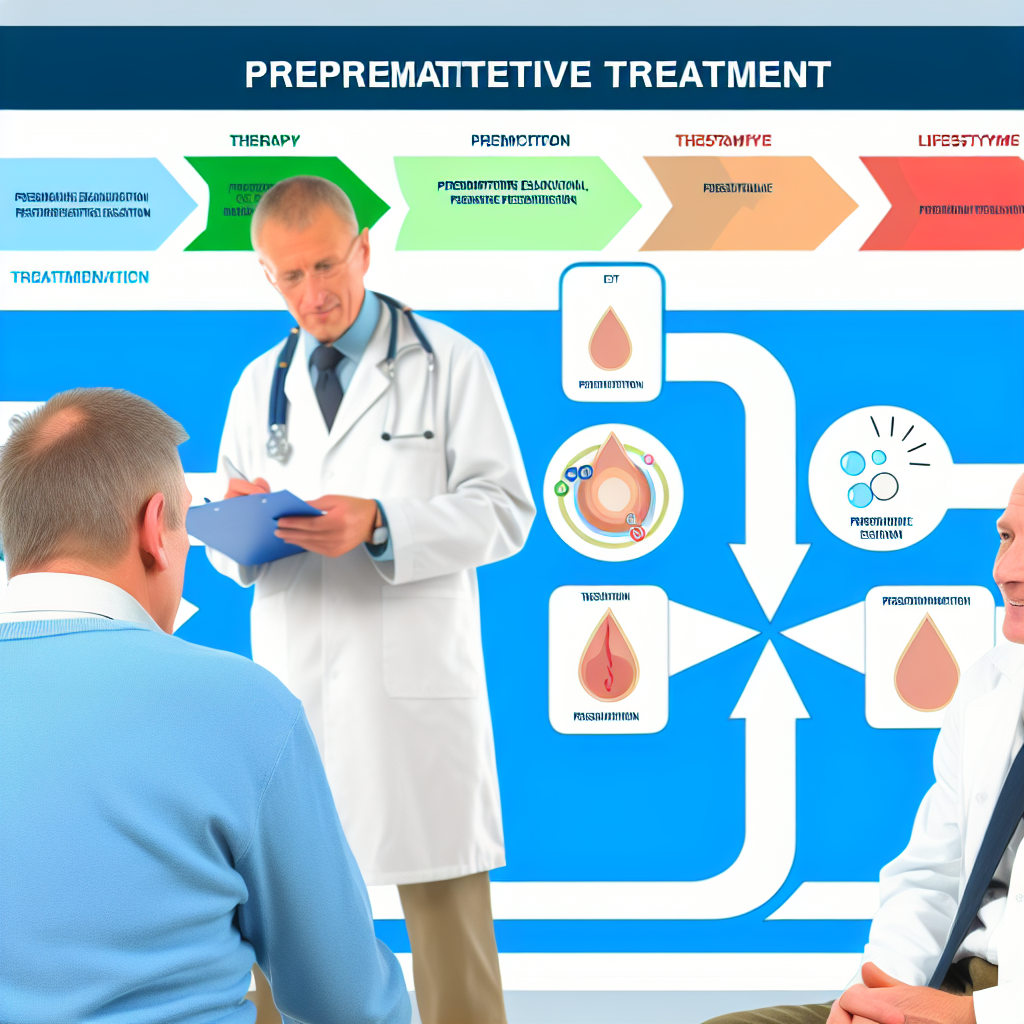
An important aspect of successful PE management involves customized treatment. Physicians can assess physical contributors such as prostatitis, diabetes, or thyroid dysfunction through a thorough medical evaluation. For lasting results, a combined approach—medical, psychological, and lifestyle-based—is usually the most effective route.
Conclusion
Premature ejaculation is a widespread but often under-discussed condition that significantly affects men’s confidence, intimacy, and relationships. The good news is that science-backed, effective treatments are available.
Today’s multidimensional treatment strategies—from SSRIs and topical creams to CBT, pelvic floor therapy, and soon-to-be-released novel drugs—can be tailored to personal health, needs, and goals. What once was considered mainly psychological is now acknowledged as a multifactorial condition with biological roots.
Most importantly, stigma is being replaced by understanding. By working with informed healthcare professionals, men can explore appropriate, non-judgmental therapeutic options that improve both satisfaction and emotional well-being. Tackling PE isn’t just about prolonging intimacy; it’s about rebuilding confidence, connection, and control.
Concise Summary
Premature ejaculation (PE) affects about one-third of men, often leading to frustration and relationship challenges. Fortunately, various treatments—such as SSRIs, topical anesthetics, behavioral therapies, pelvic floor exercises, and cognitive behavioral therapy—have been proven effective. New medications are emerging as promising solutions. Because PE stems from both psychological and physical factors, individualized and comprehensive treatment approaches yield the best results. Open communication with healthcare providers and evidence-based methods can help men of all ages regain control over their sexual health and well-being.
References
1. International Society for Sexual Medicine (ISSM)
2. Journal of Sexual Medicine
3. Mayo Clinic – Premature Ejaculation: Symptoms & Causes
4. International Journal of Impotence Research
5. Behavior Research and Therapy
6. National Institutes of Health (NIH)

Dominic E. is a passionate filmmaker navigating the exciting intersection of art and science. By day, he delves into the complexities of the human body as a full-time medical writer, meticulously translating intricate medical concepts into accessible and engaging narratives. By night, he explores the boundless realm of cinematic storytelling, crafting narratives that evoke emotion and challenge perspectives. Film Student and Full-time Medical Writer for ContentVendor.com