Orthopedic Support for Weightlifting and Joint Health
Introduction
Whether you’re a high school athlete beginning your strength training journey, a weekend warrior in your 40s, or pushing personal bests into your 70s and beyond, weightlifting offers numerous benefits—from increasing muscle strength and metabolic function to promoting cardiovascular and bone health. However, without the necessary orthopedic support for weightlifting, this powerful fitness tool can result in serious joint stress, chronic discomfort, and potential musculoskeletal injuries.
For men aged 13 to 90, understanding the importance of joint preservation, proper movement biomechanics, and injury prevention is not just wise—it’s critical. With the surging popularity of strength training across all age groups in the U.S., there’s a growing realization that staying active also involves built-in strategies for protecting the body. Your musculoskeletal system, including bones, ligaments, tendons, muscles, and joints, is placed under substantial pressure during exercises such as squats, bench presses, and deadlifts.
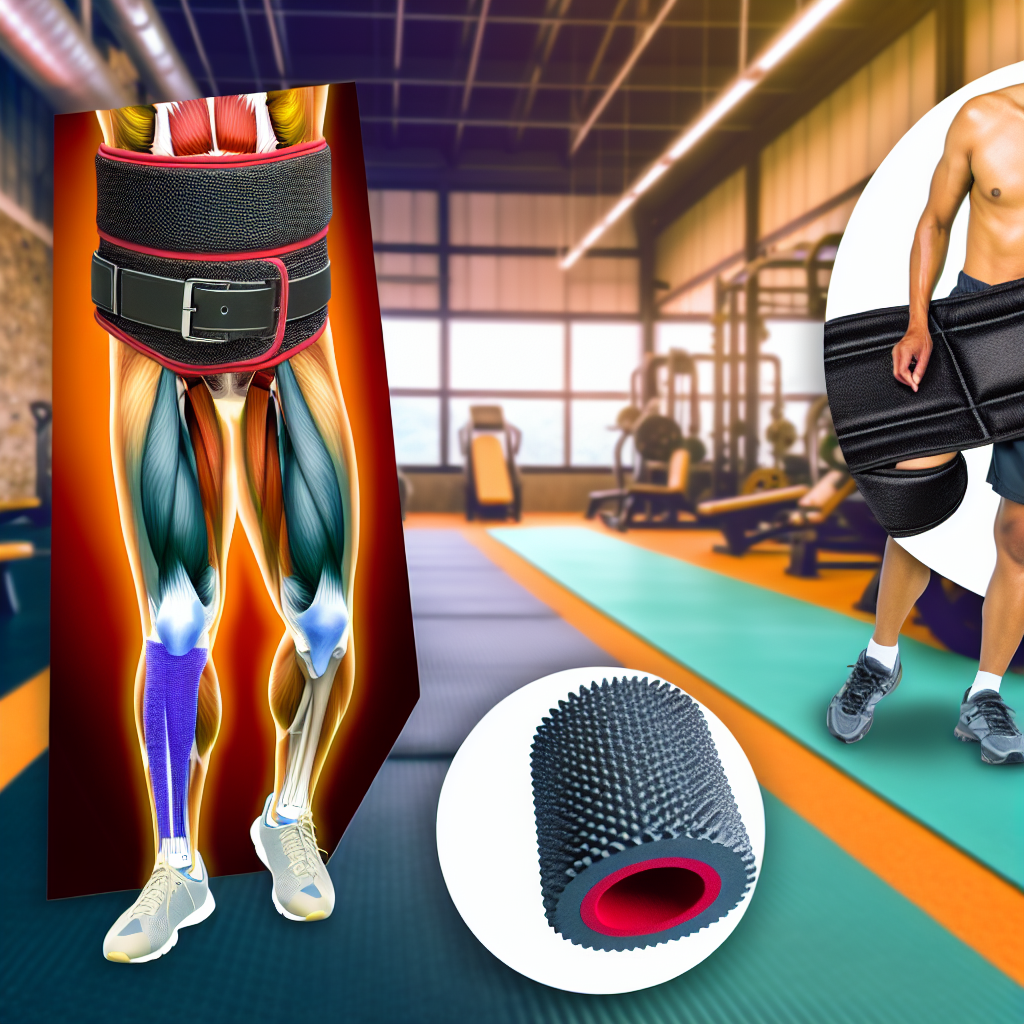
Orthopedic support in training refers to the tools and techniques used to reduce joint strain while enhancing performance. This includes braces, wrist straps, knee sleeves, orthotic insoles, smart wearable technologies, and technique-focused warm-ups. These tools aren’t just for recovery—they’re also designed for injury prevention and joint stability, especially for younger athletes with developing joint structures and older adults managing age-related degeneration.
Integrating orthopedic tools with a biomechanical understanding of movement can help lifters prevent common issues such as tendonitis, meniscus injuries, rotator cuff tears, and spinal strain. Instead of viewing these supports as optional accessories, modern science and fitness professionals argue they are essential for safe, sustainable lifting across all decades of life.
This guide dives into scientifically backed insights, effective tools, and targeted recommendations customized by age, lifting intensity, and joint health background. With the right orthopedic strategies, lifters can remain powerful, pain-free, and mobile for decades to come.
Features and Scientific Insight
Recent research supports the idea that orthopedic aids in training significantly improve function and reduce joint load. One pivotal study in the Orthopaedic Journal of Sports Medicine (2017) found that using compression knee sleeves led to a significant reduction in knee pain and improved perceived joint stability in people with past injuries. These outcomes are especially relevant for those performing loaded leg movements like squats and leg presses ([source](https://journals.sagepub.com/doi/full/10.1177/2325967117694830)).
The Journal of Strength and Conditioning Research has also highlighted that weightlifting belts help protect the spine by reducing lumbar compression forces. When used properly, belts enhance intra-abdominal pressure and support core muscle activation during big lifts such as deadlifts and barbell squats ([source](https://journals.lww.com/nsca-jscr/Abstract/2010/04000/A_Comparison_of_Abdominal_Muscle_Activation.30.aspx)).
For older men, orthopedic solutions play an even more essential role. According to a 2021 CDC report, over 30% of men above age 65 experience symptoms of osteoarthritis or joint degeneration ([source](https://www.cdc.gov/arthritis/data_statistics/arthritis-related-stats.htm)). In such populations, consistent use of aids like wrist wraps, elbow sleeves, and orthotic insoles can significantly relieve pressure on weakened or inflamed joints—enabling continued participation in resistance exercise, a key factor for maintaining muscle density, joint function, and balance in aging populations.
Advanced technologies have emerged in the form of smart orthopedic wearables. These devices monitor joint alignment, tension, and movement to provide real-time biofeedback. For instance, a smart compression sleeve may notify users of improper lifting angles or excessive strain, reducing the potential for chronic injuries and promoting better neuromuscular performance.
Proper footwear also plays a silent but powerful role in injury prevention. Podiatrists and orthopedic specialists recommend avoiding running shoes for heavy lifts, as these typically have soft, compressible soles. Instead, weightlifting shoes offer a stable, elevated heel and firm base ideal for force transfer and ankle mobility in squats and Olympic lifts. Additionally, custom orthotic insoles can correct postural issues and distribute pressure more evenly through the lower limbs—benefiting those with flat feet, plantar fasciitis, or hip asymmetries.
One increasingly popular medical philosophy is known as “prehab”—preventative rehab. Rather than waiting for injuries to arise, prehab encourages lifters to implement supportive devices alongside dynamic warm-ups, strength mobility drills, and biomechanically sound lifting techniques. These habits promote long-term durability and minimize repeated microtrauma, a root cause of tissue degeneration and joint pain.
Overall, orthopedic support for gym training not only protects the body but allows men to maximize gains and efficiency through optimized movement, stability, and reduced down-time from injury.
Conclusion
Weightlifting continues to be one of the most effective strategies for male health and longevity, enhancing strength, improving bone density, and boosting confidence. But without proactive orthopedic strategies, it can become a source of chronic aches or sidelining injuries.
Whether you’re new to resistance training, returning after an injury, or pushing stronger into your 70s and 80s, orthopedic support in fitness should be seen as a smart investment, not a crutch. From braces and sleeves to smart wearable tech and orthotic insoles, these tools are built to make training safer, stronger, and more sustainable.
When paired with proper lifting form, a progressive training plan, and a consistent mobility routine, orthopedic devices don’t just prevent injury—they enable long-term performance. Empower yourself with the knowledge and tools to remain mobile and pain-free for decades to come. Don’t wait for injury; support your joints in every phase of your fitness journey.
References
1. [Compression Sleeves and Knee Pain – Orthopaedic Journal of Sports Medicine](https://journals.sagepub.com/doi/full/10.1177/2325967117694830)
2. [Weightlifting Belts and Spinal Health – Journal of Strength and Conditioning Research](https://journals.lww.com/nsca-jscr/Abstract/2010/04000/A_Comparison_of_Abdominal_Muscle_Activation.30.aspx)
3. [CDC Data on Arthritis in Older Adults](https://www.cdc.gov/arthritis/data_statistics/arthritis-related-stats.htm)
4. [American Academy of Orthopaedic Surgeons](https://orthoinfo.aaos.org)
5. [National Institute of Arthritis and Musculoskeletal and Skin Diseases](https://www.niams.nih.gov)
For tailored advice based on your health history and training goals, consult with a licensed sports medicine physician or orthopedic specialist.
Concise Summary
Weightlifting improves overall health, but without proper orthopedic support, it can lead to joint and musculoskeletal injuries. Tools like knee sleeves, belts, orthotics, and smart wearables enhance joint stability, reduce pain, and prevent injury in men of all ages. Research supports their use, especially for older adults or those with prior injuries. Integrating orthopedic aids with good form and mobility routines promotes safe, long-term training. Whether you’re lifting in your teens or 90s, investing in support now helps protect your joint health and optimize your fitness potential for years to come.

Dominic E. is a passionate filmmaker navigating the exciting intersection of art and science. By day, he delves into the complexities of the human body as a full-time medical writer, meticulously translating intricate medical concepts into accessible and engaging narratives. By night, he explores the boundless realm of cinematic storytelling, crafting narratives that evoke emotion and challenge perspectives. Film Student and Full-time Medical Writer for ContentVendor.com