Natural vs Pharmaceutical PE Solutions Compared
Introduction
Premature ejaculation (PE) is a common male sexual dysfunction that impacts up to 30% of men at some point in their lives. Despite its high prevalence, it remains a misunderstood and frustrating condition, affecting self-esteem and relationships. PE is typically defined as ejaculation that occurs earlier than desired—either before or shortly after penetration—with minimal stimulation. It can be lifelong (primary) or acquired later in life (secondary), caused by various factors including psychological issues, neurological conditions, hormonal imbalances, or even genetic predispositions.
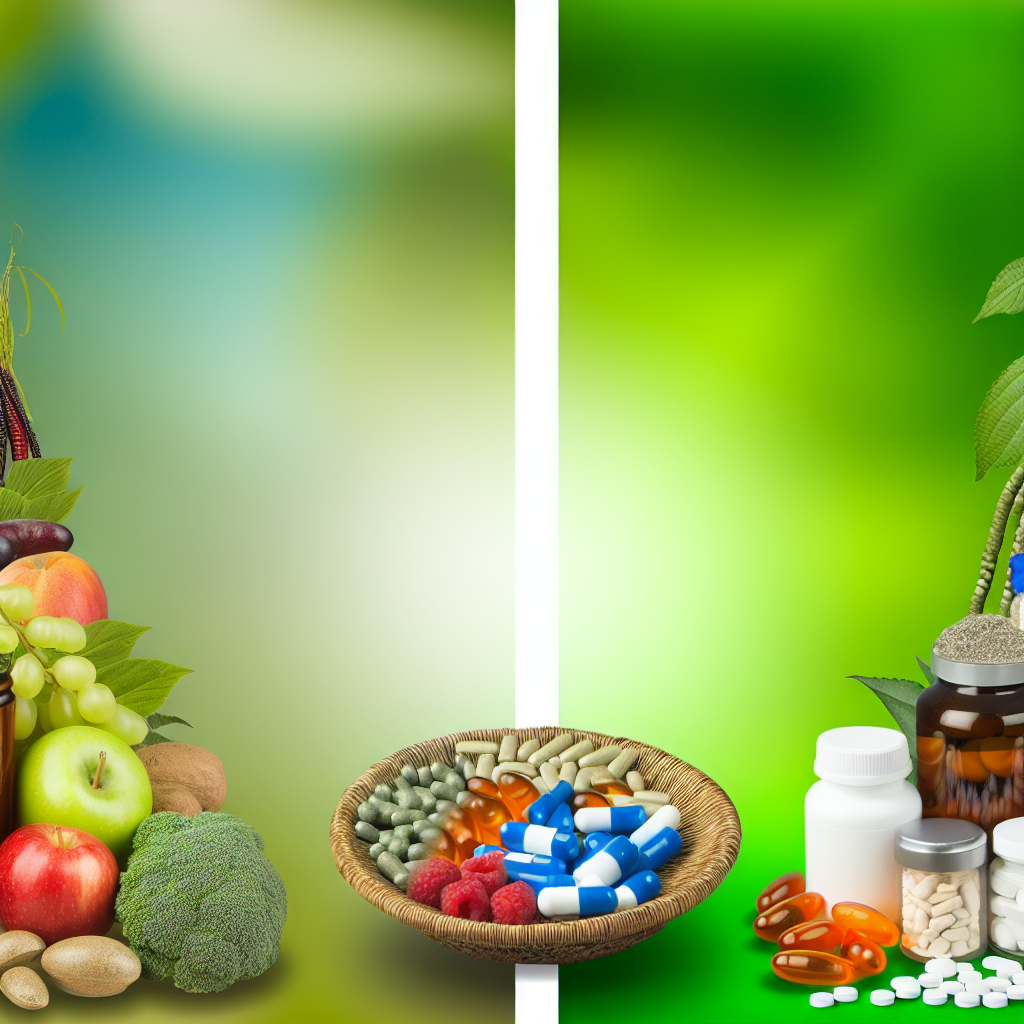
Treatment options generally fall into two broad categories: natural remedies and pharmaceutical medications. Natural methods may include behavioral therapies, dietary changes, herbal supplements, and holistic lifestyles, offering a lower risk of side effects while aiming for long-term improvement. Pharmaceutical treatments like SSRIs or topical anesthetics offer quick, measurable relief and are often supported by rigorous clinical research.
However, choosing the most effective PE treatment is not a one-size-fits-all approach. The best solution considers an individual’s health, age, type of PE (primary or secondary), and lifestyle needs. This article explores both natural and pharmaceutical options, highlights major scientific studies supporting each method, and helps men of all ages—from teenagers to seniors—make well-informed decisions for improving sexual performance and confidence.
Medical and Professional Studies on PE Solutions
Scientific evidence validates both natural and pharmaceutical methods for managing premature ejaculation. Numerous clinical trials have examined the effectiveness of each approach in delaying ejaculation and improving sexual satisfaction.
Pharmaceutical Options
Prescription medications, particularly selective serotonin reuptake inhibitors (SSRIs), are among the most researched pharmaceuticals for PE. Drugs such as paroxetine, sertraline, and fluoxetine have shown positive results. A 2003 clinical study published in the Journal of Clinical Psychiatry noted that paroxetine increased ejaculation latency time from less than one minute to over five minutes — a significant improvement ([source](https://pubmed.ncbi.nlm.nih.gov/12590641/)).
Another prominent pharmaceutical option is dapoxetine, a short-acting SSRI developed specifically for PE. According to a 2020 meta-analysis in the International Journal of Impotence Research, dapoxetine significantly improved both ejaculation time and overall satisfaction without requiring long-term daily use ([source](https://www.nature.com/articles/s41443-020-0266-3)).
In addition to oral medications, topical anesthetic sprays, such as lidocaine-prilocaine (e.g., Fortacin), have been proven effective. These work by reducing sensitivity in the penile region, thereby increasing endurance during sexual activity. One randomized clinical trial published in the British Journal of Urology International showcased that participants using Fortacin tripled their average ejaculation time compared to a placebo group ([source](https://bjui-journals.onlinelibrary.wiley.com/doi/full/10.1111/bju.12955)).
While effective, pharmaceutical treatments may come with side effects such as nausea, dizziness, or decreased libido, and are often best used as part of a broader treatment plan supervised by a medical professional.
Natural Treatments
Numerous natural and behavioral therapies also offer potential for long-term PE management. Behavioral techniques like the “stop-start” method and the “squeeze” method are commonly taught through sex therapy or cognitive-behavioral therapy (CBT). These approaches focus on improving control over the ejaculatory reflex and reducing performance anxiety. A study in the Journal of Sex & Marital Therapy demonstrated that CBT led to greater sexual confidence and increased duration before climax among men with PE ([source](https://www.tandfonline.com/doi/abs/10.1080/0092623X.2016.1179287)).
Several herbal supplements also show promise. For example:
– Ashwagandha: Known for enhancing stamina and reducing stress, this traditional Ayurvedic herb has shown efficacy in boosting testosterone and improving sexual satisfaction. A 2011 study found notable improvements in young males who took Ashwagandha over 90 days ([source](https://www.ncbi.nlm.nih.gov/pmc/articles/PMC3612440/)).
– L-arginine, ginseng, and maca root: These natural ingredients are believed to support nitric oxide production, blood flow, and libido, potentially providing secondary benefits in managing PE.
Natural remedies are generally safe and have minimal systemic side effects, but they often require patient commitment and consistency over weeks or even months to produce noticeable results. Furthermore, supplements are not FDA-regulated, and their potency may vary greatly between brands.
Conclusion
Deciding between natural versus pharmaceutical PE treatments is a highly personal choice influenced by individual health, symptom severity, and lifestyle preferences. Pharmaceutical solutions—including SSRIs like paroxetine and dapoxetine, as well as topical numbing agents—offer clinically validated effectiveness and quick results. These are especially helpful for men with moderate to severe symptoms or biological underpinnings like serotonin imbalance.
In contrast, natural methods offer a gentler, long-term approach with fewer systemic risks. Behavioral therapy, stress management, and herbal supplementation can be highly effective for men seeking holistic well-being and sexual confidence, particularly those with mild symptoms or psychological contributors.
In many cases, a combined approach may yield the best results. For example, using a topical anesthetic short-term while engaging in therapy or lifestyle improvements for long-term benefits. Importantly, consulting a qualified healthcare provider who specializes in men’s sexual health is key to selecting the most appropriate and sustainable solution.
Concise Summary
Premature ejaculation (PE) affects up to 30% of men and can significantly impact self-esteem and relationships. Pharmaceutical treatments like SSRIs and topical anesthetics offer quick, clinically validated relief but may have side effects. Natural options, including behavioral therapy and herbal supplements like Ashwagandha, offer holistic benefits with fewer risks but require consistency. The ideal solution often involves combining both strategies tailored to a man’s health and lifestyle. Consulting a doctor is essential for creating an individualized treatment plan.
References
1. Paroxetine study (2003): https://pubmed.ncbi.nlm.nih.gov/12590641/
2. Dapoxetine meta-analysis (2020): https://www.nature.com/articles/s41443-020-0266-3
3. Fortacin topical spray study: https://bjui-journals.onlinelibrary.wiley.com/doi/full/10.1111/bju.12955
4. CBT Therapy study: https://www.tandfonline.com/doi/abs/10.1080/0092623X.2016.1179287
5. Ashwagandha supplementation study: https://www.ncbi.nlm.nih.gov/pmc/articles/PMC3612440/

Dominic E. is a passionate filmmaker navigating the exciting intersection of art and science. By day, he delves into the complexities of the human body as a full-time medical writer, meticulously translating intricate medical concepts into accessible and engaging narratives. By night, he explores the boundless realm of cinematic storytelling, crafting narratives that evoke emotion and challenge perspectives. Film Student and Full-time Medical Writer for ContentVendor.com