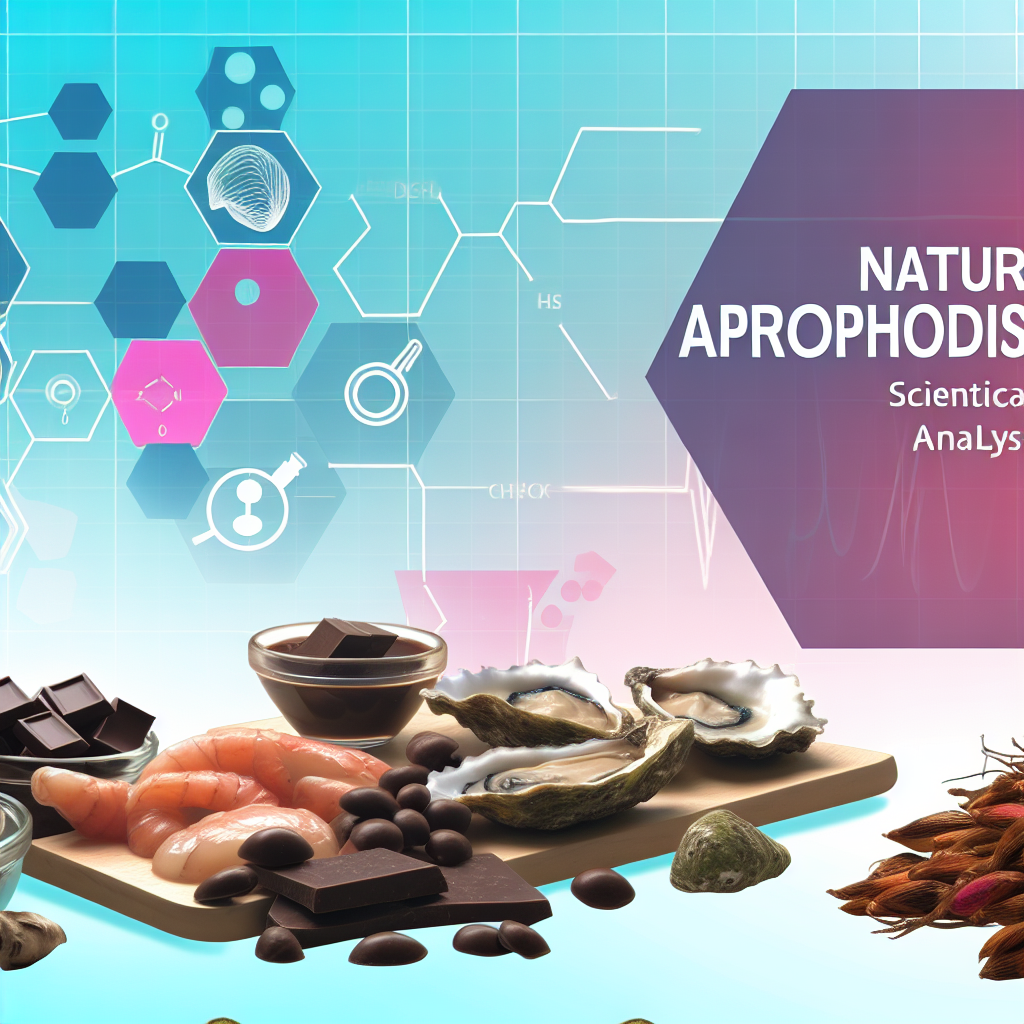
Natural Aphrodisiacs – Scientific Analysis
Introduction
For centuries, various cultures around the globe have turned to natural aphrodisiacs to enhance sexual desire, performance, and stamina. From ancient East Asian herbal infusions to exotic Aztec fruits, these natural remedies have played prominent roles in holistic health traditions. However, in today’s scientific era, it’s crucial to differentiate between myth and measurable efficacy. Are these natural ingredients genuinely effective, or is their reputation built only on placebo and tradition?
In the United States, there is a growing interest in natural alternatives for sexual health, particularly among men of all ages—from teens navigating puberty to elderly individuals rekindling intimacy. Factors like stress, a sedentary lifestyle, declining testosterone levels, and side effects of pharmaceuticals such as Viagra and Cialis have led many to search for safer, natural solutions.
Natural aphrodisiacs are substances derived from plants, minerals, or animals that can potentially increase libido and sexual performance. They may function through different mechanisms such as enhancing blood circulation, boosting hormones like testosterone, or reducing anxiety to foster a more relaxed state of mind.
What makes these remedies increasingly relevant is that modern science is validating many of their claims. New research into their biochemical pathways shows how they can serve men at different life stages—from puberty support for teens to improved endurance for midlife and intimacy rebirth in later years.
Before overfilling your pantry with exotic roots or herbs, it’s essential to understand which aphrodisiacs have real scientific support versus those that don’t hold up under scrutiny. Here, we examine evidence-based natural aphrodisiacs, highlighting those that merit inclusion in a holistic male health regimen.
Scientifically-Supported Natural Aphrodisiacs
1. Maca Root (Lepidium meyenii)
Often called the “Peruvian ginseng,” maca root is cultivated in the Andes and traditionally used to boost energy and sexual vitality. A landmark 2002 study in Andrologia found that men taking maca for 12 weeks reported increased sexual desire over a placebo. Interestingly, it didn’t raise testosterone, indicating maca’s effects may be more centered on libido mechanisms rather than hormone stimulation.
Compounds like macamides and macaenes are thought to influence neurotransmitters linked to sexual arousal, making maca a compelling option for those seeking a natural boost in drive without affecting hormonal balance.
2. Panax Ginseng
Dubbed the “king of herbs,” Panax ginseng has long been part of traditional Chinese medicine. Scientific studies support its reputation, linking ginseng to enhanced erection quality and energy levels. A 2008 meta-analysis in the British Journal of Clinical Pharmacology found consistent evidence that ginseng improves erectile function.
The plant’s active compounds, known as ginsenosides, promote nitric oxide synthesis which improves blood flow to erectile tissues, vital for sexual stamina and performance.
3. L-Arginine
L-arginine is an amino acid essential to producing nitric oxide, a molecule that relaxes blood vessels and supports healthy blood circulation—critical for strong erections. A 2019 review published in Sexual Medicine Reviews found that doses of 3–5 grams daily of L-arginine significantly improved erectile function in men.
It is often used in combination with other supplements like Pycnogenol for enhanced effects. L-arginine is particularly effective for men experiencing mild to moderate erectile dysfunction without underlying chronic illness.
4. Tribulus Terrestris
This plant extract is widely marketed for its testosterone-boosting and libido-enhancing qualities. A 2014 study in the Journal of Sex & Marital Therapy demonstrated increased sexual satisfaction in men with hypoactive sexual desire disorder who took Tribulus terrestris.
Though it may not significantly raise testosterone levels, the plant may influence androgen receptors in the brain or reduce cortisol levels, leading to better mood, vitality, and confidence—all of which support a healthy sex life.
5. Fenugreek (Trigonella foenum-graecum)
Commonly found in cooking, fenugreek contains saponins and diosgenin, which may enhance libido and athletic performance. A 2011 randomized study in Phytotherapy Research showed positive effects on male libido, sexual arousal, and orgasm intensity.
Fenugreek also supports muscle strength and metabolism, making it especially popular among younger men and athletes. It may aid testosterone metabolism and improve insulin sensitivity, both valuable for maintaining sexual vigor.
6. Saffron
Known as the most expensive spice by weight, saffron offers more than just culinary luxury. It has shown excellent results in treating sexual dysfunction—particularly in men taking SSRIs. A 2012 double-blind study published in Psychopharmacology demonstrated significant improvement in erectile function and satisfaction with 30 mg of saffron administered daily.
Saffron’s protective neurological and antioxidant effects may help combat mood-related sexual issues like anxiety or depression. It can also stabilize serotonin and dopamine levels, promoting a positive mindset during intimacy.
Conclusion
Far from being mere folklore, many natural aphrodisiacs hold legitimate scientific value in enhancing male sexual health. Properly selected and responsibly used, herbs like maca, ginseng, fenugreek, and amino acids like L-arginine provide physiological pathways to improved libido, blood flow, and energy. This holistic approach can benefit men at all stages of life—from teenagers eager to support their hormonal development to older adults looking to maintain intimacy.
Still, it’s essential to combine these supplements with a healthy lifestyle that includes exercise, nutritious eating, stress control, and sufficient sleep. They are not replacement therapies for serious medical conditions and should be taken under medical supervision when in doubt.
As scientific evidence continues to evolve and natural products become better regulated, the future holds promise for natural methods to improve men’s reproductive and sexual health—safely and effectively.
Concise Summary
Natural aphrodisiacs like maca root, ginseng, L-arginine, fenugreek, saffron, and tribulus terrestris show promising scientific support for enhancing male libido and sexual performance. Each works through various mechanisms including improved blood flow, hormone balance, and mood enhancement. With rising interest in natural health and the limitations of pharmaceuticals, these plant-based alternatives offer safe and effective options—when used appropriately. A holistic approach including exercise, diet, and professional guidance remains vital for optimal results.
References
– Maca: Andrologia, 2002
– Panax Ginseng: British Journal of Clinical Pharmacology, 2008
– L-Arginine: Sexual Medicine Reviews, 2019
– Tribulus Terrestris: Journal of Sex & Marital Therapy, 2014
– Fenugreek: Phytotherapy Research, 2011
– Saffron: Psychopharmacology, 2012

Dominic E. is a passionate filmmaker navigating the exciting intersection of art and science. By day, he delves into the complexities of the human body as a full-time medical writer, meticulously translating intricate medical concepts into accessible and engaging narratives. By night, he explores the boundless realm of cinematic storytelling, crafting narratives that evoke emotion and challenge perspectives. Film Student and Full-time Medical Writer for ContentVendor.com