Mental Health Apps for Therapy and Coaching
Introduction
Mental health no longer carries the stigma it once did, especially as digital tools bring accessible, affordable, and confidential support straight into our pockets. In today’s fast-paced, high-pressure world, mental well-being has become a priority across all age groups—from teens dealing with social pressures and academic stress to older men facing isolation, chronic illness, or retirement transitions.
For males, navigating mental health challenges can be complex. Societal expectations often discourage emotional openness, causing many men to ignore signs of anxiety, depression, or burnout until they drastically impact everyday life. Thankfully, therapy and mental wellness apps provide accessible bridges to support, empowering users with on-demand tools for reflection, connection, and professional guidance.
Especially after the COVID-19 pandemic, the demand for telehealth and digital therapy channels surged. According to the American Psychological Association, the need for treatment of anxiety and depression grew significantly and has remained high even post-pandemic.
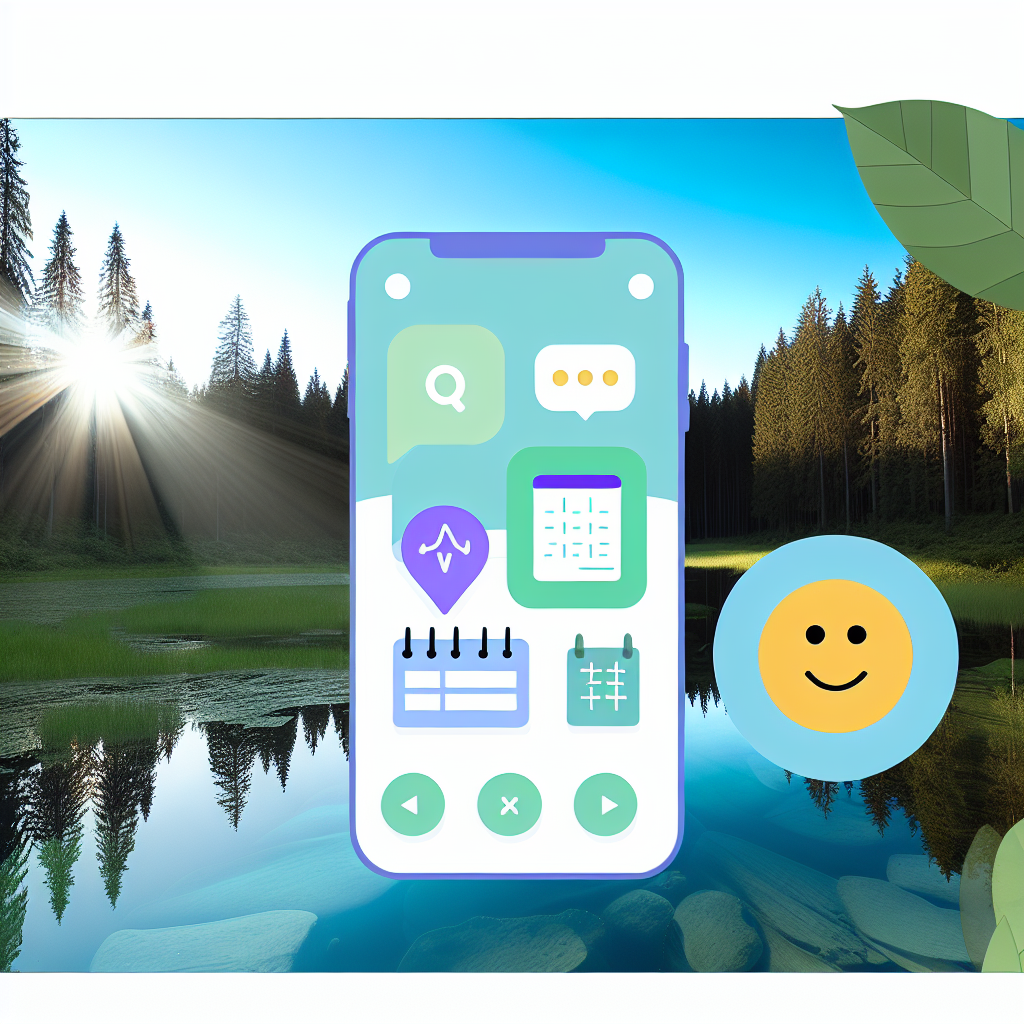
Whether you’re a high school student coping with social anxiety, a 30-year-old man battling occupational stress, or a retiree dealing with grief or loneliness, there’s likely a therapy app tailored to your needs. These platforms offer features such as cognitive behavioral therapy (CBT), personalized journaling exercises, AI-based conversation support, and real-time video counseling.
This article explores the top mental health apps for men, the science that makes them effective, and how they can be part of a proactive emotional wellness journey.
Features of Mental Health Apps: Grounded in Science and Innovation
Mental health apps go beyond digital diaries or meditation tools—they’re often grounded in clinically validated therapies such as CBT, DBT, and MBSR (Mindfulness-Based Stress Reduction). These methods have been studied extensively and are proven to reduce symptoms of mood disorders, stress, and behavioral issues.
According to a 2022 systematic review in the Journal of Medical Internet Research (JMIR), self-guided mental health apps significantly reduced depression and anxiety symptoms among users compared to those who received no treatment.
Some standout platforms include:
– BetterHelp: One of the most well-known apps offering online therapy with licensed therapists via text, call, or video. Whether dealing with relationship stress, trauma, depression, or identity concerns, BetterHelp provides structured and confidential support. The platform is especially popular among adults balancing work and life stressors.
– Talkspace: Another top-tier app for those seeking accessible professional care. It provides text-based and live video therapy sessions, even offering *psychiatric services* for those in need of medication management. Research, including a BMC Psychiatry study, supports its efficacy in managing depression and anxiety symptoms.
– Headspace & Calm: Ideal for users more focused on mindfulness and meditation. Popular among younger men and students, these apps offer guided meditations, breathing techniques, and sleep aids. A 2020 randomized controlled trial found that using Headspace for just 10 minutes daily reduced emotional distress in college-aged males.
– Woebot: A unique AI-powered chat companion based on CBT. Developed with input from Stanford University researchers, Woebot engages users in brief, empathetic conversations that help reframe negative thought patterns. It’s a trusted non-human companion available 24/7.
– Moodfit: An all-in-one wellness tracker that helps men connect physical health habits like exercise, sleep quality, and nutrition with their mental health. It includes daily check-ins, gratitude journaling, goal setting, and mood trend analysis.
What makes these digital mental health tools effective is their personalized, user-driven design. Users can choose between self-guided routines or full therapeutic engagement based on their comfort level. They maintain the privacy that many men value, offering flexible options including late-night journaling, anonymous chats, or live sessions with licensed professionals.
Many apps also have free versions or sliding-scale pricing that make therapy affordable and scalable. Considering traditional therapy often involves high costs, insurance limitations, and waitlists, these apps bring real-time care without those hurdles.
Conclusion
Mental health apps are providing powerful, discreet, and convenient solutions for men seeking mental wellness tools. Whether you are new to therapy or seeking tools to complement in-person support, apps like BetterHelp, Talkspace, Calm, and Woebot are redefining how support is accessed in the modern age.
From daily stress management to clinical-level treatment for anxiety and depression, these tools help men tackle emotional challenges proactively. They signify a cultural shift—breaking stereotypes, embracing vulnerability, and normalizing mental health care across generations.
By putting evidence-based, confidential care into the hands of users, mental health platforms empower men of all ages to actively create space for healing and growth. Whether you’re starting your mental health journey or improving existing strategies, downloading the right app could be your first life-changing step.
Concise Summary
Mental health apps like BetterHelp, Talkspace, Woebot, Calm, and Headspace are revolutionizing the way men access emotional support. Backed by clinical research and accessible through smartphones, these tools offer CBT therapy, mindfulness practices, coaching, and AI support—meeting men where they are emotionally and geographically. Ideal for a wide range of users—from teens to retirees—they provide confidential, flexible, and often affordable care. These digital platforms not only bridge the therapy gap but also reduce stigma and empower men to proactively manage their mental well-being everyday.
References
– Talkspace. (2022). Effectiveness and Evidence-Based Approach to Online Therapy.

Dominic E. is a passionate filmmaker navigating the exciting intersection of art and science. By day, he delves into the complexities of the human body as a full-time medical writer, meticulously translating intricate medical concepts into accessible and engaging narratives. By night, he explores the boundless realm of cinematic storytelling, crafting narratives that evoke emotion and challenge perspectives. Film Student and Full-time Medical Writer for ContentVendor.com