Male Fertility Technology – Latest Advances
Introduction
Male fertility challenges have become an increasingly prominent issue in global health, particularly in developed countries like the United States. Factors such as environmental toxins, chronic illness, poor lifestyle habits, and aging contribute to the rise in male infertility. Moreover, a societal trend toward delayed fatherhood further complicates fertility outcomes, with the average age of male parents rising steadily, according to a Stanford University study.
However, rapid progress in science offers hope. New frontiers in male fertility technology—including artificial intelligence, regenerative medicine, and advanced genetic testing—are transforming traditional approaches. Instead of relying solely on simple semen analysis and lifestyle modifications, men can now pursue data-driven, personalized treatments designed specifically for their reproductive profile.
These innovations also provide younger males, including teenagers, access to tools that assist them in understanding their future fertility. Advances in sperm cryopreservation now allow sperm to be preserved for decades without degradation, giving men more flexibility to decide when and how to start a family—whether they’re going off to serve in the military, undergo cancer treatment, or focus on career development.
Thanks to digital health platforms and at-home sperm testing kits, more men are taking charge of their reproductive health in private and proactive ways. The narrative has shifted away from treating infertility reactively to embracing fertility wellness as a lifelong journey. This marks a new era where technology and insight empower men at all life stages to optimize reproductive longevity.
Studies and Technological Advances in Male Fertility
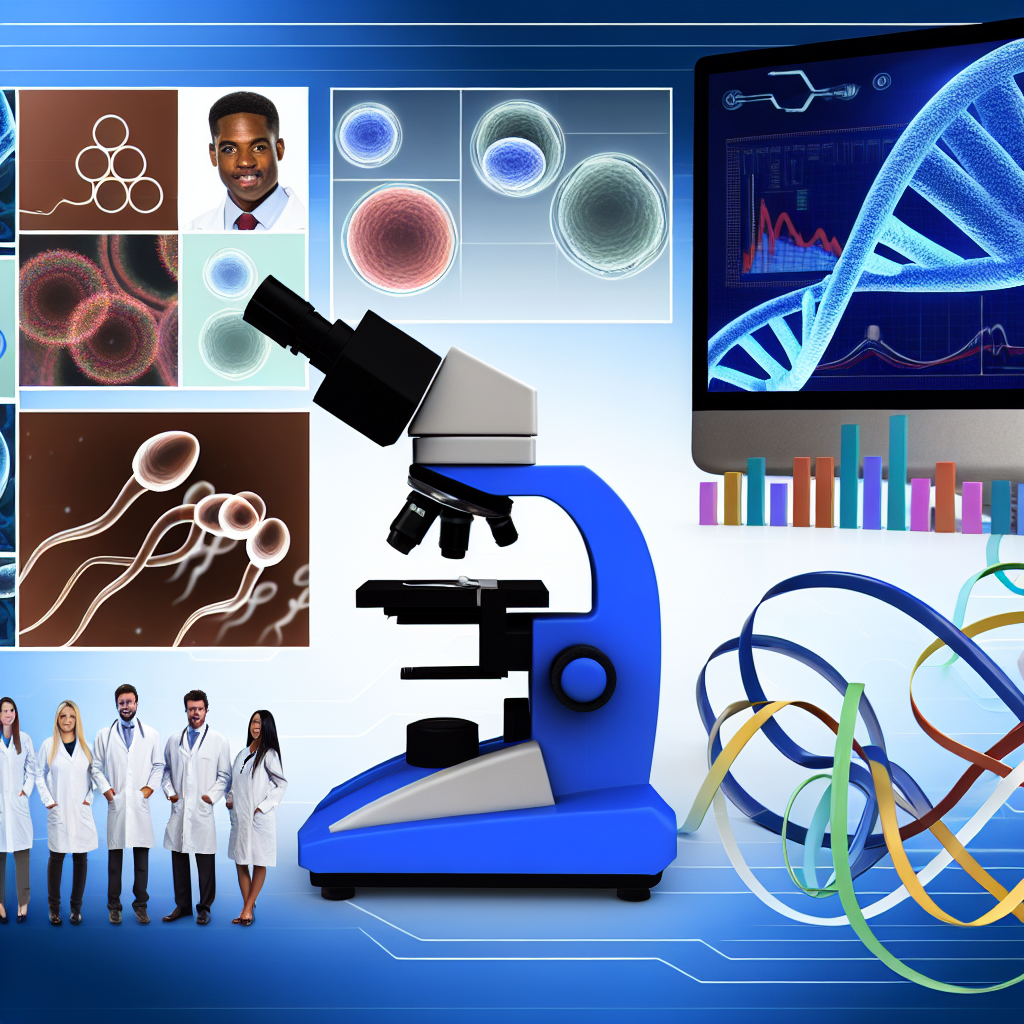
In recent years, significant breakthroughs have reshaped the field of male fertility science. For example, the integration of artificial intelligence (AI) into fertility clinics allows specialists to explore new dimensions of sperm selection. AI technology can now evaluate sperm based on morphology (shape), motility (movement), and DNA integrity, aiding procedures like intracytoplasmic sperm injection (ICSI).
A notable advancement is from Vitrolife’s AI system, which utilizes image-based intelligence to evaluate embryo and sperm health. According to research published in Reproductive Biology and Endocrinology, using AI improves implantation rates and reduces the number of in vitro fertilization (IVF) cycles needed to achieve pregnancy.
Genetic testing has also become vital in understanding unexplained infertility. Comprehensive gene panels can screen for chromosomal abnormalities or recessive mutations influencing reproductive potential. A 2023 study in the Fertility and Sterility journal indicated that nearly 15% of otherwise undiagnosed male infertility cases were linked to such genetic issues, many of which may be manageable using groundbreaking interventions like CRISPR gene editing.
An emerging tool is sperm RNA analysis, pioneered by researchers at Cornell University. This method analyzes the RNA profile of sperm cells to assess reproductive potential and oxidative stress levels—offering more actionable insight than conventional sperm count tests. These studies pave the way for personalized treatments based on deep molecular intelligence rather than surface-level measurements.
Moreover, wearable health tech and smartphone-enabled sperm analysis kits like the YO Home Sperm Test and ExSeed are giving men greater access to private, home-based fertility diagnostics. These kits often integrate with coaching platforms or fertility clinics, allowing synchronized medical guidance when needed.
In the field of regenerative medicine, scientists have recently produced **functional sperm from stem cells** in animal models. A team in Japan successfully created sperm from mouse stem cells, potentially revolutionizing fertility options for men with azoospermia (no sperm production). Additionally, hormone therapies—particularly those involving testosterone—are undergoing improvements to support, rather than inhibit, sperm production.
Cryopreservation techniques have advanced as well, ensuring high-quality sperm storage over decades. A study in the Journal of Assisted Reproduction and Genetics confirmed that sperm frozen for over 20 years maintained strong viability. As a result, this process has become essential for men undergoing chemotherapy, military deployment, or high-risk occupations.
Meanwhile, improved supplement therapies are supporting fertility from within. Clinical studies show that antioxidants such as Coenzyme Q10, Zinc, L-Carnitine, and Vitamin D improve sperm motility and count. A 2020 meta-analysis in Andrology revealed that targeted antioxidant therapies improved sperm quality in 57% of low-quality cases.
Finally, predictive AI fertility models are helping men identify key infertility risks by integrating lifestyle data, environmental exposure, hereditary factors, and current reproductive health markers. These advanced diagnostics are ushering in a more tailored, preventative approach to male fertility.
Conclusion
In the last decade, male fertility technologies have entered a transformative phase. Today’s tools go beyond reactive treatment—they apply predictive data, cutting-edge imaging, and cellular innovation to prevent and optimize fertility throughout every stage of life.
Whether you’re a teenager planning ahead or a man in your 60s or older pursuing fatherhood, modern advances—from AI algorithms in IVF labs to at-home testing kits—provide more options than ever before. Technologies like long-term sperm storage, gene screening, AI-based sperm analysis, and smarter supplements have opened new possibilities for conception, even for men once thought to be untreatable.
The broader message is clear: fertility wellness is no longer only about conception. It’s about preserving the ability to conceive, enhancing sperm health, and integrating reproductive goals into comprehensive health management strategies. Men now have the knowledge and technology to take control of their reproductive future with confidence.
Concise Summary
Recent advances in male fertility technology are revolutionizing reproductive health for men of all ages. Innovations like AI-driven sperm selection, genetic and RNA-based testing, at-home sperm analysis kits, regenerative medicine, and advanced cryopreservation are offering tailored, proactive solutions. These tools empower men to assess, preserve, and improve fertility beyond traditional age or health limitations. Fertility is now seen as part of overall wellness—starting early and lasting a lifetime.
References
– Reproductive Biology and Endocrinology: rbej.biomedcentral.com
– Fertility and Sterility Journal: fertstert.org
– Andrology Meta-Analysis on Antioxidants: onlinelibrary.wiley.com
– Stanford Study on Paternal Age Trends: pnas.org
– Journal of Assisted Reproduction and Genetics: springer.com

Dominic E. is a passionate filmmaker navigating the exciting intersection of art and science. By day, he delves into the complexities of the human body as a full-time medical writer, meticulously translating intricate medical concepts into accessible and engaging narratives. By night, he explores the boundless realm of cinematic storytelling, crafting narratives that evoke emotion and challenge perspectives. Film Student and Full-time Medical Writer for ContentVendor.com