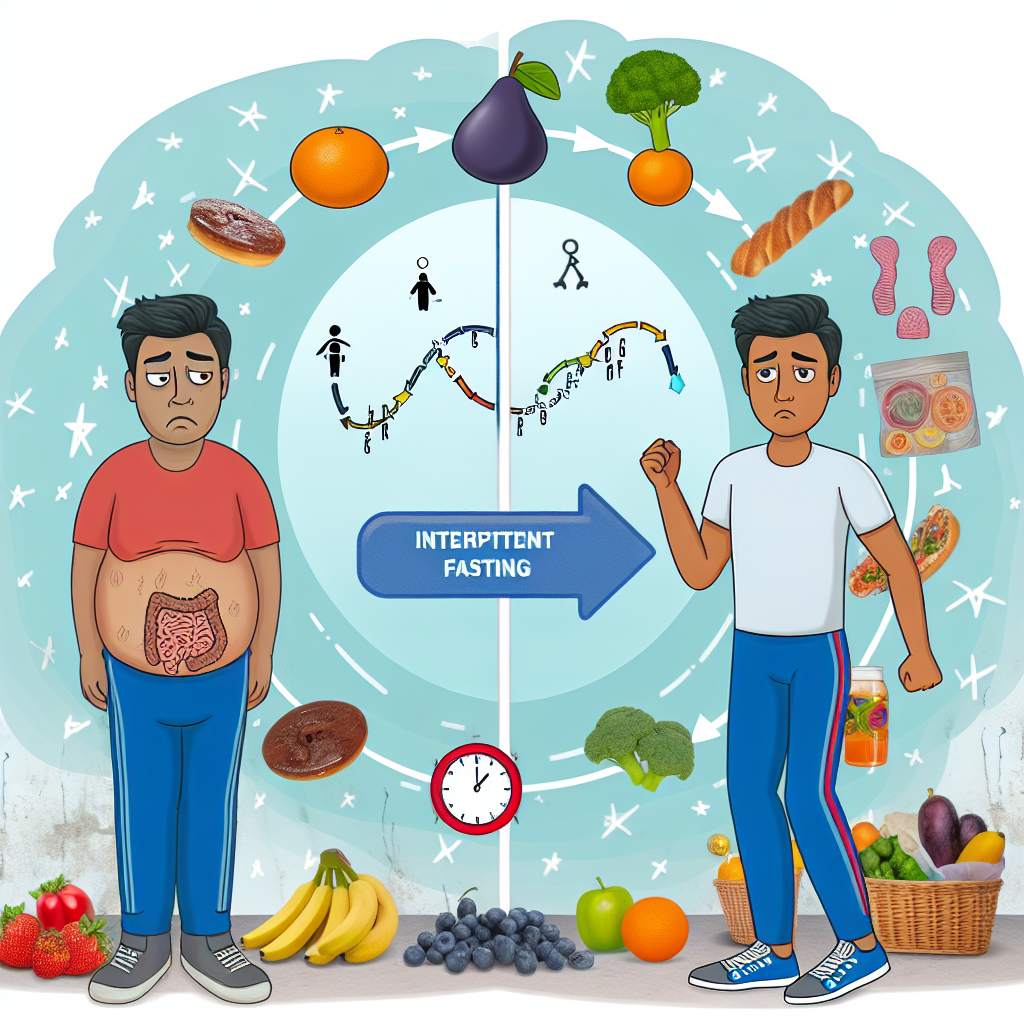
Intermittent Fasting Protocols for Metabolic Health
Introduction
In today’s health-conscious society, intermittent fasting (IF) has emerged as one of the most effective strategies for improving metabolic health, promoting weight management, and reducing the risk of chronic diseases such as type 2 diabetes and cardiovascular conditions. Particularly for men—from teenagers developing essential health habits to older adults aiming to maintain vitality and extend lifespan—IF offers a science-backed wellness solution.
Unlike restrictive diets, intermittent fasting is an eating pattern that alternates between periods of eating and fasting. It doesn’t focus on what you eat, but when you eat, making it adaptable to various lifestyles and health goals. The human body evolved with cycles of food scarcity, and IF protocols aim to reflect these natural rhythms, optimizing hormone levels, supporting cellular repair, and improving energy utilization.
The popularity of IF lies in its simplicity and proven benefits. From the 16:8 method—fasting for 16 hours daily and eating within an 8-hour window—to more advanced systems like the 5:2 protocol, which involves five normal eating days and two low-calorie days per week, there’s a strategy suitable for almost every age and fitness level. Teenagers may benefit from gentle time-restricted eating to help regulate insulin and energy levels, while older men can utilize longer fasts to promote fat metabolism and preserve muscle mass.
This health optimization method has become particularly relevant for American men prone to metabolic syndrome, prediabetes, and chronic inflammation. Research links IF to improved insulin function, lower blood pressure, better lipid profiles, and reduced markers of systemic inflammation. Most notably, IF activates the body’s use of stored fat for fuel, effectively targeting dangerous visceral fat—the kind linked to higher risks of chronic illness.
In an age where medicine is shifting from treatment to prevention, intermittent fasting stands out as a proactive approach for men to improve their health span. Understanding and customizing these protocols based on personal health goals unlocks their full potential—and allows men to take charge of their future wellness.
Features: Medical and Scientific Support
There is compelling scientific evidence supporting intermittent fasting as a powerful tool for enhancing metabolic wellness. Numerous animal and human studies consistently show benefits across key markers, including insulin sensitivity, cholesterol levels, blood pressure, and inflammation.
A landmark review published in the New England Journal of Medicine synthesized decades of research, concluding that IF improves disease biomarkers, lowers oxidative stress, and can even enhance learning and memory function.
One widely studied IF protocol is time-restricted feeding (TRF), particularly the 16:8 method. A pivotal study in the journal Cell Metabolism followed men with prediabetes using early time-restricted feeding (eating only between 7 a.m. and 3 p.m.). In just five weeks, they improved insulin sensitivity, reduced blood pressure, lowered evening appetite, and improved metabolic markers—all without losing weight.
Further evidence from the University of Alabama indicated that early feeding windows improved insulin levels and beta-cell function (the cells responsible for producing insulin), significantly decreased oxidative stress, and reduced systolic blood pressure among obese men—demonstrating the power of meal timing, even without caloric changes.
In older men, IF shows promise for reducing chronic inflammation and improving blood lipid levels. A meta-analysis in Obesity Reviews reported that alternate-day fasting matched standard daily calorie restriction for fat loss but was superior in lowering total cholesterol and insulin resistance. These results are especially relevant for aging men facing risks of metabolic syndrome.
Young men and teens can also benefit from cautious use of time-restricted eating. According to the National Institutes of Health, aligning eating patterns with circadian rhythms improves sleep, focus, and metabolic control. Properly applied, IF may support adolescents’ hormonal balance, sustained energy, and mental clarity throughout their school or workdays.
Importantly, IF uniquely targets visceral fat, the kind that accumulates around internal organs and contributes to insulin resistance. A 2020 review in Translational Research concluded that intermittent fasting reduces central fat mass by 4–7% over 6–12 months, while preserving lean muscle tissue. This makes it a suitable strategy for maintaining a lean physique across different life stages without sacrificing strength or stamina.
Together, these insights highlight intermittent fasting not as a fad, but as a credible, research-backed lifestyle intervention for lifelong health optimization in men.
Conclusion
Intermittent fasting offers a flexible, powerful, and scientifically supported approach to improving metabolic health in men of all ages—from teenagers requiring blood sugar balance to older adults aiming to counter inflammation and visceral fat. The most significant strength of IF is its adaptability. Men can choose from various fasting models based on individual health objectives, nutritional needs, and medical backgrounds.
Across the literature, the consistent findings are that IF helps regulate glucose metabolism, remove harmful fat stores, reduce systemic inflammation, and may even support brain function. Unlike restrictive diets, IF can be integrated into nearly any routine without eliminating favorite foods—focusing instead on when meals are consumed.
By collaborating with healthcare providers and gradually introducing fasting methods, men can boost energy, sharpen cognitive performance, maintain or reduce body fat, and fortify their metabolic systems. With ongoing research continuing to validate its benefits, intermittent fasting is poised to remain a cornerstone of preventive health and performance-oriented living.
References
1. New England Journal of Medicine
2. Cell Metabolism Study on Early TRF
3. University of Alabama IF Study
4. Obesity Reviews: Alternate-Day Fasting
5. NIH Review on Circadian Benefits
6. Translational Research Meta-Review on Visceral Fat
Concise Summary
Intermittent fasting (IF) is a flexible, evidence-based approach to improving metabolic health, especially for men. Backed by science, IF supports insulin sensitivity, reduces visceral fat, lowers inflammation, and may enhance cognitive performance. Methods like 16:8 or 5:2 allow custom tailoring to individual needs, from teenage energy regulation to older men battling metabolic syndrome. Studies confirm benefits without requiring weight loss, and IF aligns with circadian rhythms for better overall function. By adopting fasting as a lifestyle intervention, men can take control of their long-term wellness and actively prevent chronic disease through sustainable, timed eating habits.

Dominic E. is a passionate filmmaker navigating the exciting intersection of art and science. By day, he delves into the complexities of the human body as a full-time medical writer, meticulously translating intricate medical concepts into accessible and engaging narratives. By night, he explores the boundless realm of cinematic storytelling, crafting narratives that evoke emotion and challenge perspectives. Film Student and Full-time Medical Writer for ContentVendor.com