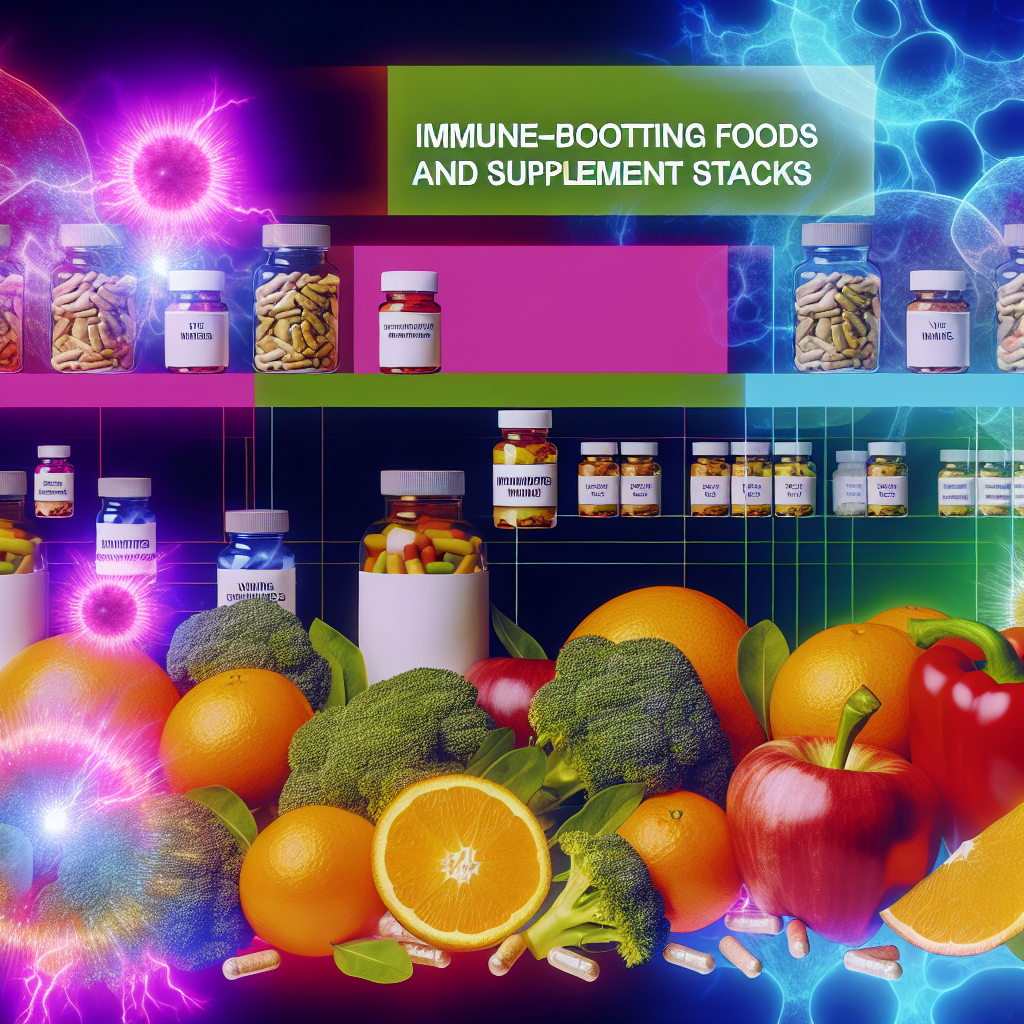
Immune-Boosting Foods and Supplement Stacks
Introduction
In recent years, immune health has taken center stage in the conversation around overall wellness. In light of recent global health challenges and increased awareness of chronic disease prevention, many people are turning inward—to diet, nutrition, and lifestyle—as tools for bolstering well-being.
While elements like sleep, physical activity, and stress management play critical roles, what we consume daily is a foundational factor in immune health. For men of all age groups in the U.S.—from active teens to seniors navigating age-related decline in immune efficiency—maintaining robust immune function through the right foods and supplements is essential.
The male immune system faces unique challenges due to factors such as hormonal fluctuations, lifestyle habits, and an increased likelihood of chronic conditions like cardiovascular disease and low testosterone. Many men also unknowingly suffer from deficiencies in vital immune nutrients like zinc, vitamin D, and selenium, especially if their diets are unbalanced or their schedules hectic.
Fortunately, accessible solutions exist. By incorporating immune-boosting foods—like citrus, garlic, ginger, leafy greens, and fermented products—alongside proven supplement stacks, men can dramatically enhance their ability to ward off illness and recover faster from infections.
For younger men, this can mean fewer sick days and optimized physical performance. For older men, it could translate to improved longevity, fewer infections, and better management of chronic inflammation. Regardless of age, the benefits of prioritized immune health are substantial and lifelong.
This article explores the science-backed nutritional strategies and supplement combinations that can help men protect, repair, and energize their immune systems.
Scientific Evidence Behind Immune-Boosting Nutrition and Supplements
The human immune system is intricately tied to nutritional status. Specific vitamins, minerals, and phytochemicals powerfully influence immune response and durability.
One of the most well-researched nutrients is vitamin D. Known for its regulatory role in both innate and adaptive immunity, vitamin D enhances pathogen-fighting abilities. A large meta-analysis published in the BMJ (2017) showed that supplementation with vitamin D significantly reduced the risk of respiratory infections, especially in those who were deficient. This is particularly important for men who work indoors or live in climates with low sun exposure.
Another foundational nutrient is zinc, which is essential for the development of neutrophils and natural killer cells. As men age, they often absorb zinc less efficiently. Research from the Journal of Nutrition (2003) indicates that zinc supplementation not only shortens the duration of colds but also decreases the risk of pneumonia, particularly in older adults.
Gut health also plays a vital role in immunity. In fact, approximately 70% of the immune system resides in the gut. Therefore, incorporating probiotics—either through fermented foods or supplements—is an effective way to support immune function. A 2020 study in Frontiers in Immunology highlighted how probiotics enhance antibody production and stimulate T cell activity.
Systems of oxidative stress and inflammation are also central to immune vulnerability. High-antioxidant foods—like garlic, turmeric, and berries—combat oxidative damage. Garlic, for instance, contains allicin, a sulfur-containing compound validated in an Advances in Therapy (2001) study to reduce the frequency of colds.
Stress continues to be a significant factor in suppressing immune function. Adaptogens like ashwagandha and rhodiola rosea can help buffer the body against chronic stress by lowering cortisol and improving immune modulation. A clinical trial in the Indian Journal of Psychological Medicine (2012) found that ashwagandha supplementation led to a notable improvement in stress markers and immune response.
Furthermore, mounting evidence supports the health benefits of omega-3 fatty acids. These anti-inflammatory lipids are crucial for immune cell membrane fluidity and shock absorption against inflammatory triggers. In a review published in Nutrients (2019), omega-3s from fish oil were shown to enhance immune markers and reduce chronic inflammation in men with metabolic syndromes.
Together, these supplements—vitamin D, zinc, probiotics, omega-3s, and adaptogens—can be used as a strategic immune supplement stack to support all angles of immune defense, from inflammation control to optimized cellular response.
Conclusion
The immune system is your body’s ultimate defense mechanism—working around the clock to detect, fight, and remember pathogens. While quick one-off remedies may offer temporary relief, sustained immune strength comes from consistency. Men of all ages—whether 20 or 90—stand to gain tremendously by paying closer attention to daily nutritional intake and leveraging proven supplementation where needed.
The foundation begins with whole foods: colorful vegetables, citrus fruits, garlic, fermented foods, and anti-inflammatory spices. From there, targeted supplements—like vitamin D3, zinc, omega-3s, probiotics, and ashwagandha—can fill nutritional gaps and strengthen immunity.
The human body thrives when properly nourished, and the science is clear: with informed choices, men can achieve better energy, fewer illnesses, faster recovery, and overall healthier aging.
Concise Summary
Modern immune health, especially for men, demands a balanced strategy that includes nutrient-rich foods and targeted supplementation. Immune-supportive foods like citrus, leafy greens, garlic, and fermented products deliver antioxidants and microbiome benefits, while supplements such as vitamin D, zinc, omega-3s, probiotics, and adaptogens like ashwagandha help fill gaps and combat stress and inflammation. From adolescence to older age, men can enhance their body’s defenses, energy levels, and resilience using these science-backed nutrition and immune stacks as part of a daily health routine.
References
1. Vitamin D supplementation to prevent acute respiratory tract infections: BMJ, 2017
2. Zinc status and immunological function: Journal of Nutrition, 2003
3. Probiotics and immune system boosting: Frontiers in Immunology, 2020
4. The effect of garlic on immune function: Advances in Therapy, 2001
5. Ashwagandha and immune response: Indian Journal of Psychological Medicine, 2012
6. Omega-3 Fatty Acids and Immune Response: Nutrients, 2019

Dominic E. is a passionate filmmaker navigating the exciting intersection of art and science. By day, he delves into the complexities of the human body as a full-time medical writer, meticulously translating intricate medical concepts into accessible and engaging narratives. By night, he explores the boundless realm of cinematic storytelling, crafting narratives that evoke emotion and challenge perspectives. Film Student and Full-time Medical Writer for ContentVendor.com