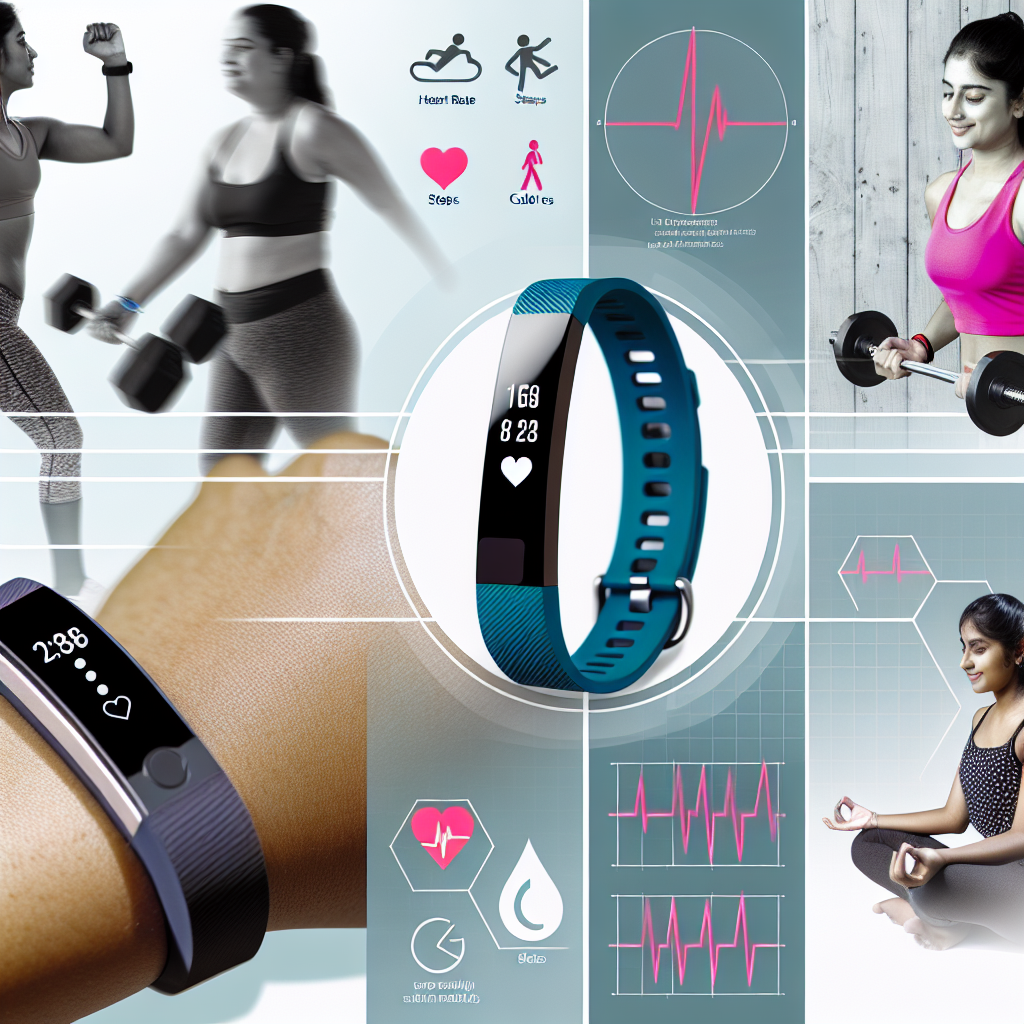
Fitness Trackers for Heart Rate and Health Metrics
Introduction
In today’s digitally driven world, personal health monitoring has made significant advances with the rise of wearable technology—especially fitness trackers. These compact, convenient devices have evolved from niche gadgets to essential health tools widely used by individuals of all ages. For men in the United States, who encounter unique health issues throughout their lives—from adolescence to their 90s—these trackers offer a modern solution to staying healthy.
Fitness trackers record numerous health metrics such as heart rate, daily steps, calories burned, sleep patterns, and even blood oxygen saturation (SpO2). Originally marketed to elite athletes, these devices are now helping users from all walks of life monitor real-time health indicators.
Continuous heart rate monitoring is particularly beneficial. Users can detect trends such as a high resting heart rate or irregular rhythms that might signal underlying cardiovascular issues. As men age, the risk of chronic diseases such as hypertension, heart disease, and type 2 diabetes increases. These trackers provide early warnings and key insights that can spur timely visits to healthcare providers.
Wearables also play a central role in preventive health. They encourage better habits by enabling users to set goals, monitor daily routines, and adjust behavior through visible feedback. Whether you’re a 17-year-old boosting performance or an 82-year-old maintaining stability and rhythm, these tools offer personalized health management right on your wrist.
Further, the psychological impact of these devices is noteworthy. Research shows that consistent self-monitoring can inspire accountability, elevate physical activity, and even strengthen mental well-being. This is significant as mental health challenges—especially for teens and elderly men—become more prevalent. These wearable devices are as much about emotional health as they are physical.
As technology evolves, so does the accuracy and capability of fitness trackers. With models ranging from budget-friendly pedometers to advanced smartwatches with ECG features, there’s a device suitable for everyone. Understanding what data they track and how it can impact healthcare decisions is vital to unlocking their full potential.
Features and Medical Studies
The integration of wearable health tools into daily life has received serious attention from researchers and healthcare systems alike. Medical studies continue to verify the accuracy and usefulness of these devices, enhancing their credibility and adoption.
Chief among their innovations is heart rate monitoring. Brands like Fitbit, Garmin, Apple, and WHOOP use optical sensors to read blood flow and determine pulse rates. Some advanced models—such as the Apple Watch Series 8—boast electrocardiogram (ECG) technology that can detect potential signs of atrial fibrillation, a common heart condition in older men associated with stroke risk.
A 2020 study published in the Journal of the American Medical Association (JAMA) revealed that users with fitness trackers increased their physical activity by 1,800 steps per day on average and maintained this level over time—making a real dent in risks associated with obesity, heart disease, and diabetes.
Accuracy is another measure of value. A comprehensive Stanford University study found that most devices showed heart rate accuracy within 5% of clinical readings—making them highly effective for non-clinical, everyday health tracking and trend analysis.
Another standout feature is sleep tracking. Quality sleep is vital to physical and mental recovery. It regulates hormone levels, sharpens memory, and supports overall cardiovascular health. According to data shared by WHOOP, tracking sleep stages can help users better understand their circadian rhythms and optimize sleep routines. For men, especially those facing higher risks for depression, obesity, or low testosterone, tracking sleep may be a game changer for recovery and long-term health.
More recent devices have added blood oxygen level (SpO2) monitoring—an especially relevant metric during the COVID-19 pandemic, when low oxygen levels became a key warning signal. SpO2 tracking can also aid people at risk for sleep apnea, respiratory issues, or low oxygen absorption, especially seniors and overweight individuals.
Moreover, modern trackers now sync seamlessly with platforms like Apple Health, Google Fit, and electronic medical records (EMRs). This makes it easy for healthcare providers to access and interpret a patient’s long-term health metrics. Medical professionals can then adjust medications, set proactive health plans, or intervene early—bridging the gap between lifestyle and clinical care.
Beyond individuals, aggregated wearable data is transforming public health research. For example, the DETECT study by Scripps Research Translational Institute analyzes fitness tracker data to detect viral outbreaks, tracking changes in users’ heart rate and sleep. This has major implications for outbreak response, illness prediction, and population-level health monitoring.
Conclusion
Fitness trackers have grown beyond their origins as simple step counters—they’re now reliable, feature-rich health tools supporting users across age groups. By monitoring essential data such as heart rate, sleep quality, and blood oxygen levels, they empower users to take charge of both daily wellness and long-term condition management.
For every man—from active teenagers pursuing peak fitness, to midlife professionals balancing sedentary work with well-being, to older adults maintaining independence—these wearable tools can drive meaningful improvements in health. Beyond data, these devices offer something deeper: empowerment and engagement in one’s own health journey.
As they become more integrated into healthcare systems and national health studies, fitness trackers will likely become key instruments in personalized care. For men intent on leading healthier lives, they represent not just a smart investment—but a small, wearable revolution in wellness.
Concise Summary
Fitness trackers have evolved into powerful health tools that monitor vital metrics like heart rate, sleep, activity, and blood oxygen. For men of all ages, from active teens to aging seniors, these devices support both prevention and chronic disease management. Studies confirm their accuracy and ability to encourage healthier behaviors. By syncing with health apps and medical records, they assist in personalized healthcare and even contribute to research. Continuous tracking enhances awareness, fosters accountability, and promotes physical and mental wellness—making fitness trackers an essential ally in modern men’s healthcare.
References
1. JAMA Network – Effectiveness of Wearable Devices for Increasing Physical Activity
2. Stanford Medicine – Wearable Devices Accurately Measure Heart Rate
3. WHOOP – Tracking Sleep Stages and Circadian Rhythm
4. Apple Newsroom – Wearables and Atrial Fibrillation
5. Scripps Research – DETECT Study
6. CDC – Heart Disease Facts

Dominic E. is a passionate filmmaker navigating the exciting intersection of art and science. By day, he delves into the complexities of the human body as a full-time medical writer, meticulously translating intricate medical concepts into accessible and engaging narratives. By night, he explores the boundless realm of cinematic storytelling, crafting narratives that evoke emotion and challenge perspectives. Film Student and Full-time Medical Writer for ContentVendor.com