Ethical Supplement Sourcing and Quality Verification
Introduction
In recent years, the supplement industry has experienced exponential growth. Millions of American men—from teenagers looking to enhance athletic performance to seniors seeking longevity—are turning to nutritional supplements as natural tools for boosting health and vitality. Products such as protein powders, multivitamins, herbal nootropics, omega-3 fatty acids, and testosterone boosters have become essential components of many men’s health routines.
However, beneath this booming demand lies a critical issue that frequently goes unnoticed: ethical supplement sourcing and quality verification. The U.S. dietary supplement market operates in a loosely regulated environment. While the Food and Drug Administration (FDA) provides basic guidelines, it does not approve supplements before they enter the market. This lack of pre-market oversight allows poorly formulated or even dangerous products to reach consumers, endangering those who rely on supplements for energy, brain health, muscle growth, immune support, or hormonal balance.
Ethical sourcing speaks to the environmental and social impact of how supplement ingredients are harvested. It ensures ingredients are sourced in ways that preserve ecosystems, respect biodiversity, and honor fair labor standards. Ingredients like ashwagandha from India and collagen from marine sources are common, but their production must be carried out with transparency, sustainability, and fairness at the forefront.
Quality verification involves independent testing and validation of supplement content and safety. It includes lab testing for contaminants such as heavy metals, pesticides, synthetic drugs, and ensuring that actual ingredient levels match the label claims.
For men striving to make informed, responsible decisions in their health journeys, understanding these aspects is vital. Whether you choose supplements for fitness, cognitive performance, heart health, or aging support, you deserve products that are clean, effective, and ethically made. This article delves into the latest trends, certifications, and scientific research shaping responsible supplement use, helping men confidently navigate a market still lacking comprehensive oversight.
Features
Medical and industry research continues to reveal concerns surrounding the lack of consistency and regulation in many over-the-counter dietary supplements sold in the U.S. A notable 2021 study published in JAMA Network Open found that nearly 1 in 10 supplements contained unapproved pharmaceutical ingredients not listed on their labels. These undisclosed substances pose potential risks such as drug interactions, hormonal imbalances, and toxicity—especially for men managing conditions like high blood pressure, diabetes, or depression.
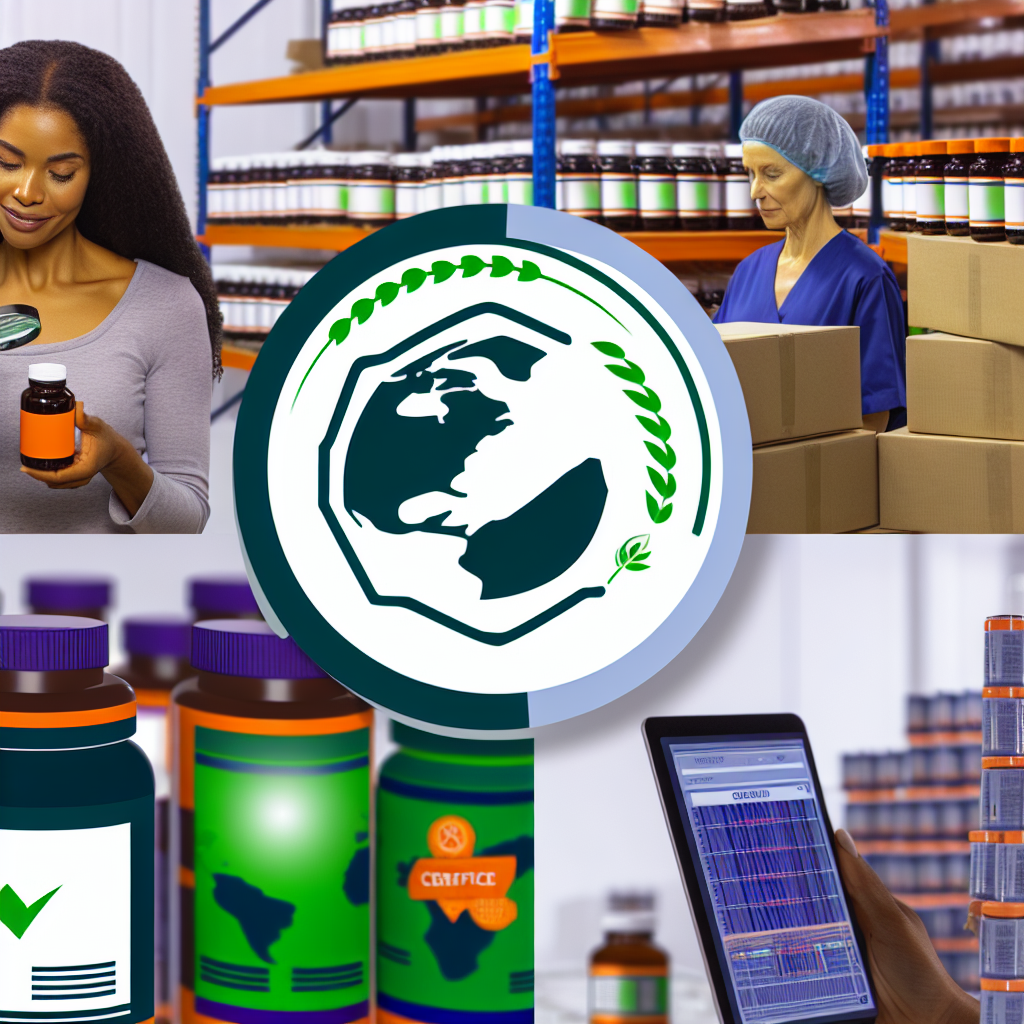
That’s why third-party testing is more than a formality; it’s a necessity. Certifications from organizations such as NSF International, U.S. Pharmacopeia (USP), and ConsumerLab verify that supplements meet rigorous standards for purity, potency, and contaminant-free production.
For athletes and teens concerned about performance and banned substances, products verified under the NSF Certified for Sport® program offer added assurance. This specific certification ensures supplements do not contain substances prohibited by major sports organizations such as the NCAA or MLB, a critical standard for those competing at high levels.
Meanwhile, sustainable ingredient sourcing is becoming a top concern in both nutritional science and environmental stewardship. Research in the journal Nutrients (2020) highlights efforts by responsible supplement manufacturers to prioritize environmentally friendly practices, such as sourcing omega-3s from algae instead of overfished ocean stocks. Companies are also embracing Fair Trade Certified™ programs to ensure ingredients like rhodiola and ashwagandha are harvested under safe working conditions with fair wages to local laborers in countries like India, Nepal, and Siberia.
Issues with cross-contamination and mislabeling in plant-based products are concerning. The Clean Label Project found alarming levels of heavy metals, including lead and cadmium, in several popular “natural” plant protein powders. These contaminants can silently accumulate, leading to chronic inflammation and organ damage, especially when consumed over long periods.
To combat this, several pioneering brands are implementing traceability systems that include blockchain tracking and scannable QR codes on packaging. These technologies allow men to verify in real-time where and how ingredients were sourced, processed, and packaged—handing more power back to the consumer.
Ultimately, today’s male health supplements must be evaluated not just by their promises but by their production ethics. For men at all stages of life—be it acquiring lean muscle in your twenties, maintaining hormonal balance in your forties, or supporting joint and brain function into your seventies—a responsible supplement choice supports both personal well-being and broader global responsibility.
Conclusion
In an industry flooded with products making bold claims, it’s essential that consumers prioritize more than marketing. Today’s educated man must look deeper—demanding transparency, authenticity, and responsibility from the supplements he chooses. Ethical sourcing and quality verification are not optional luxuries—they form the foundation of trust in the wellness journey.
Counterfeit ingredients, unsafe contaminants, and inaccurate dosing present severe risk, especially to those seeking long-term health improvements. Being informed doesn’t only aid you—it supports communities of laborers, protects delicate ecosystems, and promotes a more honest marketplace.
The supplement industry of the future is one where brands are held accountable, and consumers are empowered. Men across life stages—from student athletes to retired professionals—can now make better choices that reflect integrity and self-respect. Look for trusted certifications, trace the product’s supply chain, and always choose ethically sourced, third-party tested supplements to secure a healthier, more sustainable future for yourself and the world.
References
– JAMA Network Open. Unapproved Pharmaceutical Ingredients Included in Dietary Supplements Associated With US Food and Drug Administration Warnings. https://jamanetwork.com/journals/jamanetworkopen/fullarticle/2775470
– Nutrients. Sustainability of Omega-3 Supplementation. https://www.ncbi.nlm.nih.gov/pmc/articles/PMC7468774/
– NSF International. Certified for Sport® Program. https://www.nsfsport.com
– U.S. Pharmacopeia (USP). Dietary Supplement Verification Program. https://www.usp.org/dietary-supplements
– Clean Label Project. Protein Powder Contamination Report. https://www.cleanlabelproject.org/protein-powder/
Summary
As the supplement market expands, American men must prioritize products that are safely formulated and ethically produced. With rising concerns over unregulated ingredients and environmental degradation, understanding ethical sourcing and demanding third-party quality verification are critical. Trusted certifications like NSF and USP, clean labeling, and traceable supply chains ensure supplements are not only effective but also aligned with environmental and social responsibility. By making informed choices, men across ages can protect their health and advocate for a safer, more transparent industry.

Dominic E. is a passionate filmmaker navigating the exciting intersection of art and science. By day, he delves into the complexities of the human body as a full-time medical writer, meticulously translating intricate medical concepts into accessible and engaging narratives. By night, he explores the boundless realm of cinematic storytelling, crafting narratives that evoke emotion and challenge perspectives. Film Student and Full-time Medical Writer for ContentVendor.com