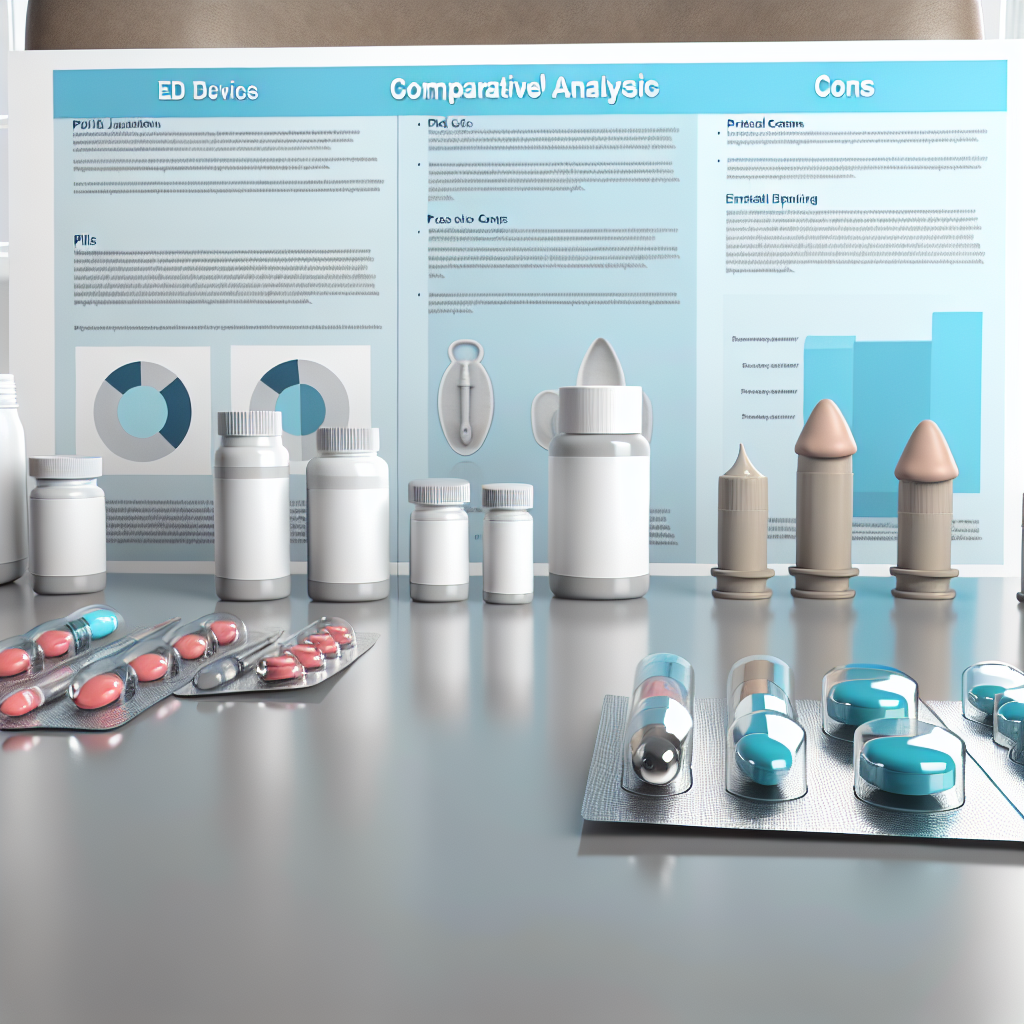
ED Devices – Comparative Analysis
Introduction
Erectile dysfunction (ED) is a widespread health condition affecting millions of men across all age groups in the United States. While it is more prevalent among older men, it isn’t strictly age-dependent. The origins of ED are complex and varied, including hormonal imbalances, neurological conditions, cardiovascular issues, psychological stress, and adverse drug effects. As awareness grows, more individuals are seeking non-pharmaceutical treatments for ED, such as medically approved ED devices.
ED doesn’t just affect physical intimacy—it influences mental health, partner satisfaction, and self-esteem. The increasing demand for alternative solutions has driven the development of advanced medical technologies, ranging from vacuum devices and constriction rings to surgical implants and shockwave therapy. Some devices are FDA-approved while others are still undergoing trials or recognized in international markets.
Evaluating safety, effectiveness, convenience, affordability, and user satisfaction can help men choose a device that aligns with their medical needs and lifestyle. Whether you’re a young man navigating anxiety-induced dysfunction or a senior managing chronic conditions, this analysis offers deeper insights into the most effective ED devices available today.
Features and Scientific Overview
ED devices fall into four major categories:
1. Vacuum Erection Devices (VEDs)
Vacuum Erection Devices are external pumps that create negative pressure around the penis, drawing blood into the erectile tissue and helping users achieve an erection. Once the desired firmness is reached, a constriction ring is placed at the base of the penis to maintain the erection.
These devices are typically used by men who cannot take or do not respond to oral medications such as Viagra (sildenafil) or Cialis (tadalafil). The American Urological Association (AUA) supports the use of VEDs, especially among men recovering from prostate surgery or struggling with diabetes-related ED.
According to a 2013 review from the Journal of Sexual Medicine, 50–70% of men experience satisfactory outcomes when devices are fitted and used correctly. Additional benefits include minimal side effects, affordability, and ease of access without requiring surgery or prescriptions.
2. Penile Constriction Rings (Cock Rings)
Constriction rings are simple rubber or silicone bands placed at the base of the penis to prevent venous blood from escaping, thus maintaining an erection. They are often used as a standalone solution by men who can get an erection but struggle to maintain it or as a complement to VEDs.
Constriction rings are widely accessible, easy to use, and very affordable (under $50). However, they must be used responsibly, typically not worn for longer than 30 minutes to avoid damage to penile tissues. A study from the International Journal of Impotence Research found that correctly used rings were effective up to 65% of the time.
3. Penile Implants (Prostheses)
Penile prostheses offer a permanent, surgical solution for men with severe or refractory ED who have exhausted other treatment options. Devices are typically either malleable rods or inflatable implants. The three-piece inflatable model is considered the most advanced, offering the most natural erectile function and flaccidity.
The procedure involves risks like infection, scarring, or mechanical failure, but satisfaction levels are high. A Cleveland Clinic report shows over 90% of men and partners are satisfied post-procedure, largely due to the spontaneity and functional restoration it offers. These implants typically last 10–15 years or more.
4. Low-Intensity Shockwave Therapy Devices (Li-ESWT)
Low-Intensity Extracorporeal Shockwave Therapy (Li-ESWT) is a growing, non-invasive ED treatment aimed at improving erectile function through neovascularization—promoting the growth of new blood vessels and stimulating nerve regeneration. It’s one of the few therapies that potentially targets the root cause of ED rather than just the symptoms.
Clinical trials show positive results. A 2017 meta-analysis in the Journal of Urology showed significantly improved International Index of Erectile Function (IIEF) scores in men undergoing this treatment. While in-clinic applications are more thoroughly studied and controlled, at-home versions are gaining popularity, although further evaluation of their efficacy is still needed.
Evaluation and Comparison
Below is a comparative analysis of key characteristics across the device categories:
- Cost: VEDs range from $100–$500; constriction rings cost under $50. Li-ESWT ranges from $1,000 to $4,000 per treatment course, while penile implants are the most expensive, ranging from $10,000 to $20,000 including surgery.
- Efficacy: Penile implants have the highest satisfaction and effectiveness rates. Li-ESWT offers potential curative benefits. VEDs and rings provide strong temporary effects but require active usage.
- Convenience: VEDs require assembly before each use. Shockwave therapy requires multiple clinician visits. Implants offer instant readiness and discretion once implanted.
- Duration of Effect: Implants are permanent. Li-ESWT may offer up to a year’s benefit or more. VEDs and rings work only during use.
Conclusion
As the understanding of erectile dysfunction deepens and social openness increases, ED devices have become integral tools in managing this widespread condition. From simple and affordable VEDs and rings to high-tech regenerative treatments and surgical implants, today’s technology offers a spectrum of solutions suited to diverse needs.
For men seeking fast, non-invasive relief, VEDs and constriction rings serve as efficient, accessible options. Those targeting long-term tissue restoration may benefit from supervised shockwave therapy. Individuals with long-standing, drug-resistant ED will find penile implants to be the most effective, permanent solution.
Ultimately, working with a urology specialist or sexual medicine physician is essential to achieving the best outcome based on your medical profile, personal preferences, and intimacy goals.
Concise Summary
ED devices provide modern, personalized solutions for men dealing with erectile dysfunction caused by aging, health issues, or psychological factors. Common tools include VEDs, constriction rings, penile implants, and shockwave therapy. While VEDs and rings offer affordable, short-term relief, shockwave therapy may restore function for some. Penile implants offer long-lasting results with high satisfaction, making them the best choice for severe cases. Costs, effectiveness, convenience, and risks vary, so professional guidance is vital. With the right device, many men can reclaim sexual confidence and improve quality of life.
References
– American Urological Association – Erectile Dysfunction Guideline
– Journal of Sexual Medicine (2013) – Vacuum Erection Devices for Erectile Dysfunction
– International Journal of Impotence Research (2018) – Efficacy of Constriction Rings
– Cleveland Clinic – Penile Implants Overview
– Journal of Urology (2017) – Shockwave Therapy Meta-Analysis

Dominic E. is a passionate filmmaker navigating the exciting intersection of art and science. By day, he delves into the complexities of the human body as a full-time medical writer, meticulously translating intricate medical concepts into accessible and engaging narratives. By night, he explores the boundless realm of cinematic storytelling, crafting narratives that evoke emotion and challenge perspectives. Film Student and Full-time Medical Writer for ContentVendor.com