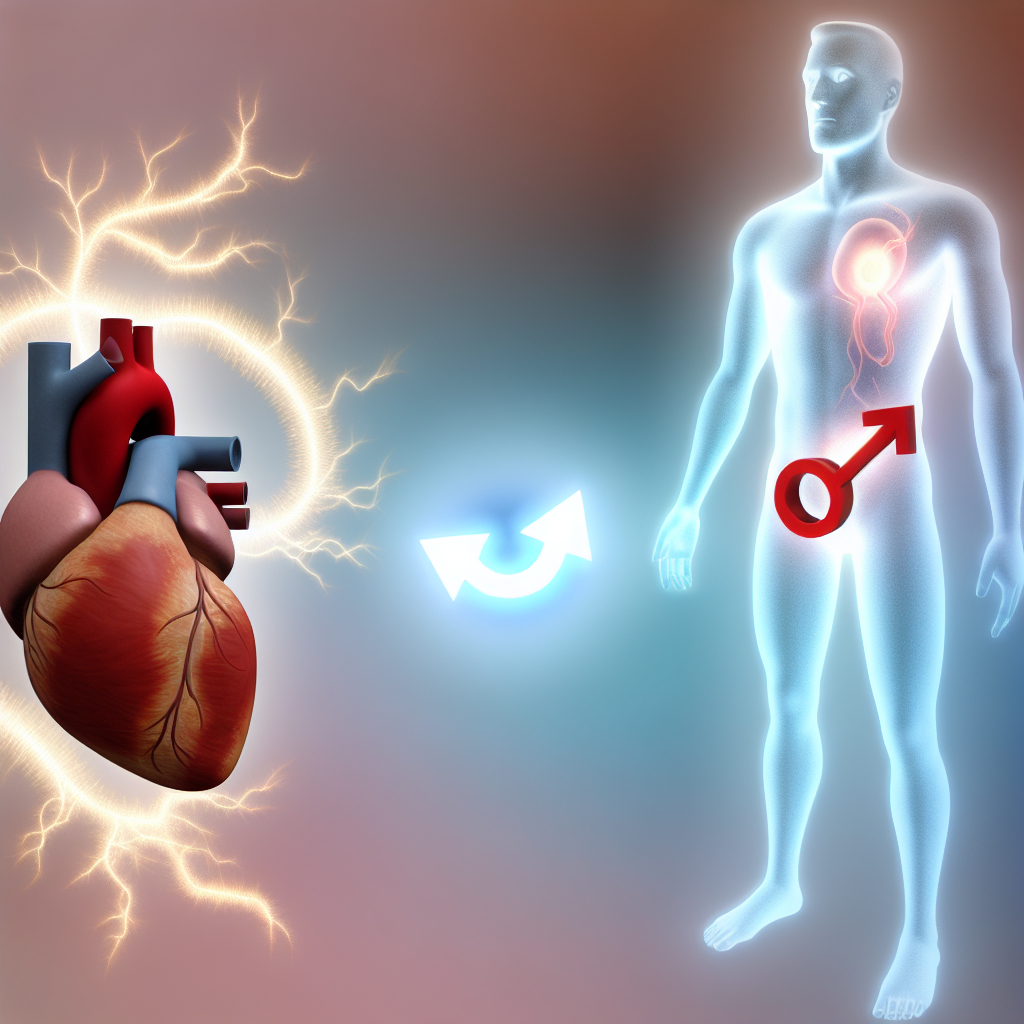
ED and Heart Health – The Critical Connection
Introduction
Erectile dysfunction (ED) and heart health are two major concerns that many men overlook as connected. While many assume ED is a result of hormonal imbalances or psychological issues, emerging medical research reveals a deeper link between erectile dysfunction and cardiovascular disease (CVD), including conditions like heart attacks, stroke, and high blood pressure.
Studies suggest that **ED can serve as an early warning sign** of heart problems. Since the arteries that carry blood to the penis are smaller than those to the heart, they’re often impacted first by vascular issues like atherosclerosis. As a result, ED may appear before more serious heart symptoms begin.
This means that addressing ED is more than improving sexual performance—it’s a potential lifesaving measure. For all men—from younger individuals with chronic conditions like diabetes to older adults with hypertension—ED may be a vital clue to much broader health issues.
Understanding and responding to this link empowers men to take control of their total health. This blog explores the scientific relationship between ED and cardiovascular function, highlights pivotal studies that support the connection, and shows what men can do to protect both their sexual health and heart health.
The Science Linking ED and the Heart
Over the last 20+ years, medical research has consistently shown that erectile dysfunction and cardiovascular disease are deeply interconnected through shared vascular origins. In fact, experts now often classify them as “twin conditions.”
One of the most influential investigations, published in the journal Circulation in 2005, found that men with ED faced a significantly higher risk of having a major cardiovascular event like a heart attack or stroke within five years of an ED diagnosis.
The Massachusetts Male Aging Study (MMAS), an extensive and nationally recognized study, reinforced this connection. It found that the risk factors for CHD—such as obesity, smoking, high cholesterol, hypertension, and physical inactivity—are almost identical to those triggering ED. More strikingly, men with moderate to severe ED had a 65% higher risk of developing coronary heart disease.
The shared vascular mechanism behind both conditions centers on something called endothelial dysfunction—a condition where the inner lining of the blood vessels (the endothelium) fails to function properly. This impairs circulation and triggers both reduced penile blood flow and poor cardiac circulation. A publication in the journal European Urology emphasized the centrality of endothelial health in maintaining both erectile and heart function.
Younger men, often presumed to be low risk for heart issues, are especially vulnerable when ED is present. A 2018 Mayo Clinic study discovered that men between ages 40 and 49 with ED were twice as likely to experience heart disease as those without ED—suggesting that ED may unmask hidden cardiovascular problems early in life.
This relationship is further reinforced by how ED medications function. PDE5 inhibitors like Viagra and Cialis improve nitric oxide signaling—a vital chemical process that facilitates both erections and vascular dilation. This suggests that successful ED treatment enhances not only sexual function but also vascular health, including that of the heart.
Ultimately, ED should be viewed as a clinical indicator of vascular impairment—not just a sexual concern. Doctors should treat ED as a possible signal of systemic health issues and consider a full cardiovascular evaluation for affected men.
Conclusion
Erectile dysfunction is far more than a sexual inconvenience—it’s a valuable marker of cardiovascular health that should never be ignored. Whether you’re in your 20s or approaching 80, the onset of ED could be one of your earliest indicators of underlying heart disease.
The good news is that early detection and intervention can save lives. Lifestyle adjustments—such as maintaining a healthy diet, engaging in regular exercise, quitting smoking, and managing cholesterol or blood pressure—can help restore erectile function and reduce cardiovascular risk. Equally, seeking evaluation from a healthcare provider at the first signs of ED can help uncover hidden issues before major complications develop.
Every man, no matter his age, should treat erectile dysfunction not just as a sexual health issue but as a powerful warning from the body about the state of the circulatory system. Your performance in the bedroom may just provide a window into your heart’s future.
Concise Summary
Erectile dysfunction (ED) is not just a sexual issue—it’s often one of the earliest warning signs of cardiovascular problems. Because ED and heart disease share root causes like atherosclerosis and endothelial dysfunction, arterial blood flow to the penis is affected before other areas. Research from Circulation, Harvard Medical School, and Mayo Clinic all confirm the link. Identifying and treating ED—especially in younger men—can uncover and prevent future heart complications. Lifestyle improvements and medical evaluations can improve both heart and sexual health. Men should treat ED not just as a bedroom concern but as a marker of vascular well-being.
References
– Circulation (2005) — Sexual Dysfunction and the Risk of Cardiovascular Disease
– Harvard Medical School — The Heart and Erectile Dysfunction
– European Urology (2011) — Endothelial Dysfunction Links Erectile Dysfunction to Cardiovascular Disease
– Mayo Clinic Proceedings (2018) — Erectile Dysfunction as an Early Marker of Heart Disease

Dominic E. is a passionate filmmaker navigating the exciting intersection of art and science. By day, he delves into the complexities of the human body as a full-time medical writer, meticulously translating intricate medical concepts into accessible and engaging narratives. By night, he explores the boundless realm of cinematic storytelling, crafting narratives that evoke emotion and challenge perspectives. Film Student and Full-time Medical Writer for ContentVendor.com