Breaking the Stigma: How Men’s Health is Evolving Beyond the Bedroom and Why It’s Critical for Your Long-term Well-being
Introduction
For years, **men’s health** has often been narrowly confined to issues surrounding physical strength and sexual prowess. From media portrayals to societal expectations, “being a man” seemed to mean being stoic and tough, particularly in Western cultures such as the United States. While **sexual health** remains a significant aspect of men’s wellness, it’s crucial to expand the narrative to include a more holistic approach. Understanding men’s health as more than just **libido** or **virility** is critical for overall well-being.
Recent years have witnessed a seismic shift in how men’s health is perceived. Campaigns are now focusing on **mental health**, **chronic disease prevention**, **fitness**, and **nutrition**. From teenage years to those in their nineties, men are beginning to break the stigma that health discussions are a sign of weakness. The physical, mental, and emotional aspects of health are gaining overdue recognition, and this transformation is essential not just for individual well-being but for improving life quality across ages.
The youthful years often fly by in a flurry of physical capabilities and endless energy, leaving the sense of invincibility unchallenged. However, the quicksilver years of youth may mask latent health issues that could emerge later in life, from **obesity** and **diabetes** to mental health struggles such as **anxiety** and **depression**. According to the [Centers for Disease Control and Prevention (CDC)](https://www.cdc.gov), heart disease remains a leading cause of death among men, and factors such as stress, poor diet, and lack of exercise play substantial roles in exacerbating this statistic.
Furthermore, mental health has long been the elephant in the room, with depression and anxiety often underreported due to societal stigma. The [American Psychological Association](https://www.apa.org) has stressed the importance of acknowledging mental health as a critical component of overall wellness. As we broaden the scope of men’s health from merely ‘performance-based’ to a more comprehensive, wellbeing-centric model, it opens a door to longer, healthier lives.
Features: Professional and Medical Studies
To effectively break the stigma surrounding men’s health, we must turn to research and expert opinions that support this evolving narrative. A pioneering study published in the [Journal of Men’s Health](https://www.jomh.org) emphasizes that a comprehensive approach towards men’s health involves considering factors such as mental state, lifestyle, and genetic predispositions. The study underscores the importance of regular health check-ups, balanced diets, and regular physical activity as mechanisms to combat preventable diseases.
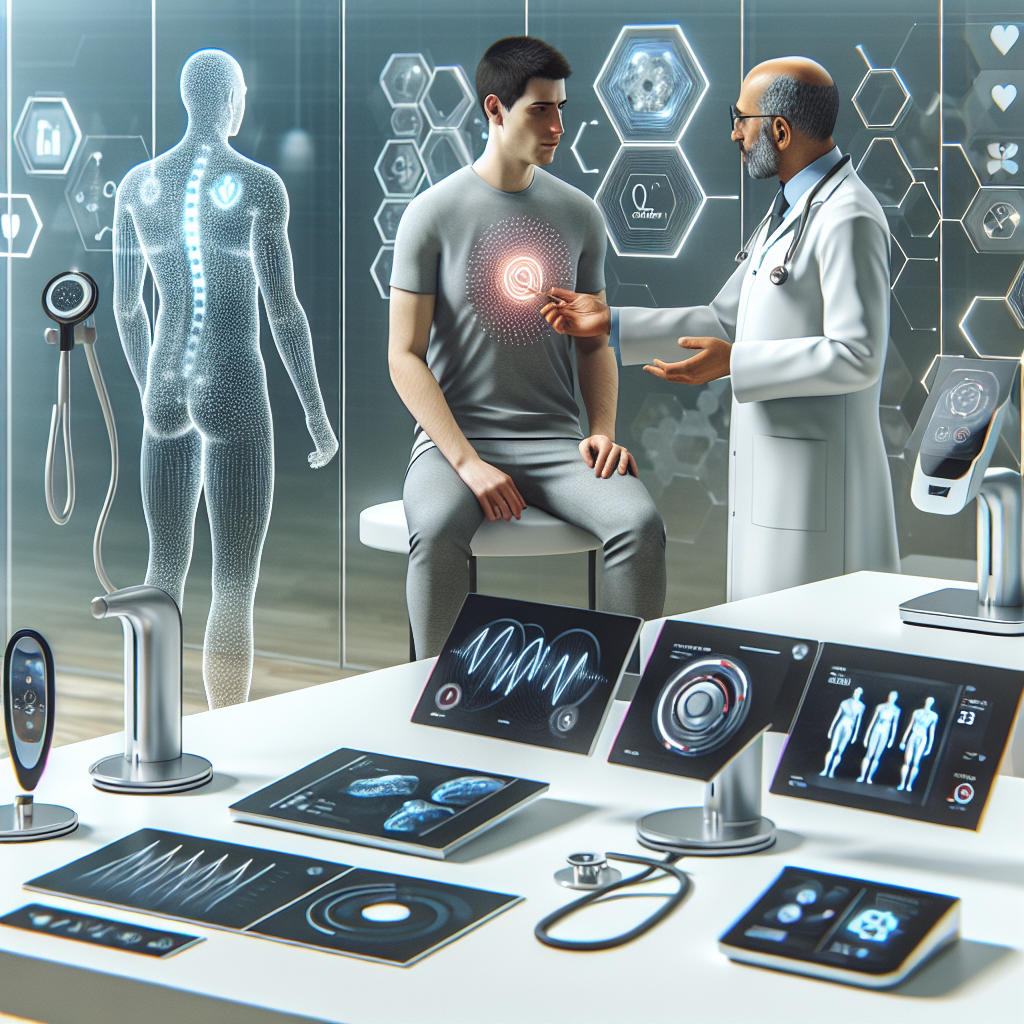
The [World Health Organization (WHO)](https://www.who.int) has recognized that engaging in robust health practices early on can mitigate risks of conditions like heart disease and diabetes later in life. Their Gender and Health guidelines stress that societal norms often prevent men from actively seeking healthcare, which is detrimental in the long run. By dismantling these stereotypes, men can engage more openly with healthcare providers and access resources they may have otherwise ignored.
A 2020 article in the [American Journal of Men’s Health](https://journals.sagepub.com/home/jmh) expounded on how **mental health** should be treated with the same urgency as physical health. The rising prevalence of conditions such as depression and anxiety among men of all ages calls for a reevaluation of health priorities. The article highlights that mental illnesses not only affect life satisfaction but can also exacerbate physical conditions, creating a cyclical deterioration in overall quality of life.
Moreover, the [National Institute of Mental Health](https://www.nimh.nih.gov) advocates for deconstructing barriers to mental health support. By encouraging open conversations and providing resources, men are more likely to seek the help they need. Online platforms and digital tools have made it easier to access mental health care, allowing men of all ages to find support from the comfort of their homes.
Conclusion
The evolution of men’s health beyond mere bedroom matters represents an essential stride towards holistic well-being. By shifting the focus from isolated aspects of health to a whole-person perspective, we encourage longevity and enriched quality of life. Addressing mental health, embracing disease prevention, and cultivating a lifestyle of balance are crucial steps for men in their quests for enduring wellness.
Breaking free from dated stigmas and embracing a comprehensive health strategy not only benefits individuals but also strengthens communities. Open dialogue, supported by scientific research and professional guidance, empowers men to take control of all aspects of their health. It’s time to redefine what it means to be healthy, moving beyond dated notions and towards a future where well-being is attainable for all. By embracing the evolution of men’s health, men of all ages can pave the way for better futures.
### References
– [Centers for Disease Control and Prevention](https://www.cdc.gov)
– [American Psychological Association](https://www.apa.org)
– [World Health Organization](https://www.who.int)
– [Journal of Men’s Health](https://www.jomh.org)
– [American Journal of Men’s Health](https://journals.sagepub.com/home/jmh)
– [National Institute of Mental Health](https://www.nimh.nih.gov)
**Concise Summary:**
Men’s health has evolved beyond traditional views of physical and sexual prowess to encompass a holistic approach, emphasizing mental health, chronic disease prevention, fitness, and nutrition. Recent studies urge the dismantling of societal stigmas to encourage men to actively engage with healthcare and embrace whole-person wellness. Addressing mental health, disease prevention, and adopting balanced lifestyles can significantly improve quality of life and longevity. Open dialogue and comprehensive health strategies empower men to take control of their health, benefiting both individuals and communities while paving the way for healthier futures.

Dominic E. is a passionate filmmaker navigating the exciting intersection of art and science. By day, he delves into the complexities of the human body as a full-time medical writer, meticulously translating intricate medical concepts into accessible and engaging narratives. By night, he explores the boundless realm of cinematic storytelling, crafting narratives that evoke emotion and challenge perspectives. Film Student and Full-time Medical Writer for ContentVendor.com