Athletic Performance and Sexual Health Connection
Introduction
In the quest for optimal health, many men pursue two seemingly distinct goals: high-level athletic performance and strong sexual health. However, modern research confirms these areas are closely linked and interdependent. Whether you’re a teen athlete, a middle-aged man maintaining fitness, or a senior seeking vitality, understanding this synergy can significantly improve your quality of life and overall well-being.
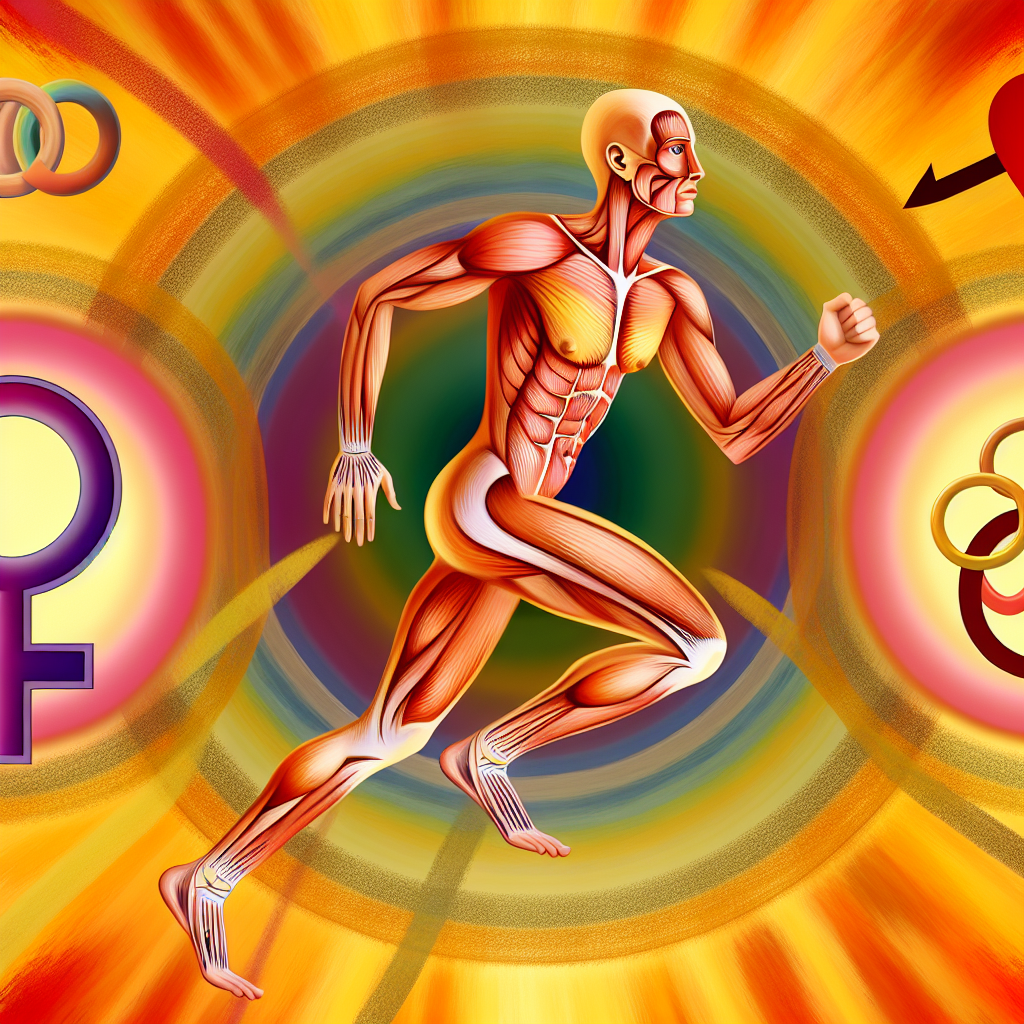
Sexual health involves much more than libido or erectile function. It also reflects hormone balance, cardiovascular fitness, neurological function, and psychological wellness. Likewise, athletic performance includes elements like metabolic efficiency, recovery speed, mental clarity, and hormonal regulation — the same components that foster sexual vitality.
Scientific evidence reveals that regular physical activity promotes heart health, hormone optimization, and mental clarity, all of which directly support better sexual function. Engaging in consistent, moderate exercise leads to higher testosterone levels, improved blood circulation, and enhanced mood — major drivers of a healthy sex life.
On the flip side, poor physical condition from obesity, sedentary lifestyles, or chronic stress negatively affects both performance and intimacy. Conditions like low testosterone impair muscle strength, energy, and sexual function. Similarly, excessive training without adequate rest elevates cortisol levels, which may impact libido and delay recovery.
This interconnected understanding is vital in today’s sedentary culture. The good news? Physical activity — whether weightlifting, yoga, endurance training, or casual sports — yields measurable improvements in both sexual performance and overall male vitality.
Core Biological Connections Between Fitness and Sexual Health
A growing body of research supports the connection between physical performance and sexual wellness. A key factor in this relationship is testosterone — the primary male sex hormone responsible for libido, muscle mass, bone density, energy, and mood.
Resistance training and high-intensity interval training (HIIT) have been shown to naturally elevate testosterone. According to a [study in the European Journal of Applied Physiology](https://link.springer.com/article/10.1007/s00421-010-1735-1), men participating in a 12-week strength training program experienced a significant rise in basal testosterone, leading to better mood, strength gains, and enhanced bedroom performance.
Cardiovascular Health and Erectile Function
Another vital link lies in heart health. Erections depend on proper blood flow, making cardiovascular fitness essential for erectile function. Regular aerobic exercises such as running, swimming, and cycling improve endothelial function, which helps blood vessels dilate properly.
A [clinical study in the Journal of Sexual Medicine](https://www.jsm.jsexmed.org/article/S1743-6095(14)30105-6/fulltext) noted a 30% improvement in erectile function in men who committed to regular aerobic exercise over six months.
Furthermore, the [Massachusetts Male Aging Study](https://www.ncbi.nlm.nih.gov/pmc/articles/PMC1470658/) found that men engaging in consistent physical activity had a 70% lower risk of developing erectile dysfunction (ED). Even simple daily habits, such as [walking 30 minutes a day](https://www.health.harvard.edu/mens-health/exercise-and-erectile-dysfunction), reduced ED risk by 41%, according to Harvard Medical School.
Mental Health, Stress, and Libido
Exercise is also a proven mental health booster. It fights depression, reduces anxiety, and produces endorphins, which act as natural mood enhancers. Exercise influences neurotransmitters like serotonin and dopamine, which critically affect sexual desire.
According to [Mayo Clinic research](https://www.mayoclinic.org/healthy-lifestyle/sexual-health/in-depth/sex-and-the-stress-connection/art-20045660), chronic stress increases cortisol, which suppresses testosterone. This hormonal imbalance can lead to diminished libido and overall physical fatigue, weakening performance in both sports and sex.
Sleep, Nutrition, and Hydration’s Dual Role
Optimal physical and sexual health requires strong foundations in nutrition, sleep, and hydration. Nutrient deficiencies, poor hydration, and inadequate rest weaken hormone production, impair muscle recovery, and lower sex drive.
Professional athletes confirm that during periods of proper recovery, sleep, and targeted nutrition, their sexual desire increases. However, [overtraining syndrome](https://www.ncbi.nlm.nih.gov/pmc/articles/PMC3435910/) — often caused by excessive workouts without rest — can suppress libido, reduce testosterone, and lead to fatigue.
Balancing intensive training with adequate recovery is crucial. Overtraining not only disrupts hormones but can lead to injuries and longer-term health problems, further compromising masculine vitality.
Lifespan Fitness and Libido Strategy
Exercise benefits known in young adulthood persist into later decades. Short-term testosterone spikes from workouts are common in adolescents and young adults. For older men in their 50s to 70s, strength training combined with hormone-optimizing nutrition helps maintain functional strength, preserve libido, and guard against age-related decline in sex hormones.
Customized, age-specific approaches — from energetic sports for youth to resistance training and low-impact cardio for senior men — offer lifelong support for both sexual health and athletic performance.
Conclusion
The powerful connection between athletic performance and sexual health confirms that movement is not just about looking fit — it’s about feeling vital, energetic, and connected. Exercise promotes hormone regulation, cardiovascular efficiency, psychological resilience, and intimacy — essential components for a long, satisfying life.
By integrating strength training, cardio, flexibility, rest, and proper nutrition, men can naturally boost testosterone, protect erectile health, and improve overall vitality. Regardless of age, movement truly is medicine — for muscles, mind, and manhood.
Summary
Regular exercise significantly enhances both athletic performance and sexual health through improved testosterone levels, cardiovascular function, and mental well-being. Resistance training boosts muscle mass and libido, while cardio workouts enhance blood flow and reduce erectile dysfunction risk. Mental health benefits from exercise further support sexual vitality. Balanced nutrition, proper hydration, and consistent sleep amplify these effects. Whether you’re a young athlete or a senior seeking vitality, combining fitness with wellness habits strengthens manhood in every decade of life.
References
1. [European Journal of Applied Physiology – Resistance Training and Testosterone](https://link.springer.com/article/10.1007/s00421-010-1735-1)
2. [The Journal of Sexual Medicine – Exercise Improves Erectile Function](https://www.jsm.jsexmed.org/article/S1743-6095(14)30105-6/fulltext)
3. [Harvard Medical School – Walking and Erectile Dysfunction](https://www.health.harvard.edu/mens-health/exercise-and-erectile-dysfunction)
4. [Massachusetts Male Aging Study – Physical Activity and ED](https://www.ncbi.nlm.nih.gov/pmc/articles/PMC1470658/)
5. [Mayo Clinic – Stress and Sexual Health](https://www.mayoclinic.org/healthy-lifestyle/sexual-health/in-depth/sex-and-the-stress-connection/art-20045660)
6. [National Institutes of Health – Overtraining Syndrome](https://www.ncbi.nlm.nih.gov/pmc/articles/PMC3435910/)
7. [American Council on Exercise – How Strength Training Affects Testosterone](https://www.acefitness.org/education-and-resources/lifestyle/blog/6647/how-strength-training-affects-testosterone-levels/)

Dominic E. is a passionate filmmaker navigating the exciting intersection of art and science. By day, he delves into the complexities of the human body as a full-time medical writer, meticulously translating intricate medical concepts into accessible and engaging narratives. By night, he explores the boundless realm of cinematic storytelling, crafting narratives that evoke emotion and challenge perspectives. Film Student and Full-time Medical Writer for ContentVendor.com