Alternative PE Treatments – Evidence Review
Introduction
Premature ejaculation is one of the most prevalent male sexual health concerns, impacting approximately one in three men at some point in their lives. Defined as ejaculation that consistently occurs earlier than desired during sexual activity, it often leads to psychological stress, decreased self-esteem, and interpersonal conflict. While conventional treatments such as SSRIs and topical anesthetics are widely used, interest in alternative treatments for premature ejaculation is growing due to concerns about side effects, cost, and a preference for natural or holistic approaches.
As internet-based health communities continue expanding, a broader audience is turning to integrative medicine. These include men in their teens dealing with sexual anxiety, middle-aged men facing new stressors or medical issues, and older men striving to maintain sexual wellness into their 80s and 90s.
PE is categorized as either lifelong or acquired. Lifelong PE is typically linked to neurobiological factors present from a man’s first sexual intercourse. In contrast, acquired PE develops later in life and is often associated with psychological conditions, erectile dysfunction, or underlying medical conditions such as prostatitis. This distinction is essential in selecting the most effective treatment—especially when considering alternative options where mechanisms of action may be holistic or individualized.
This review presents a comprehensive look at emerging non-pharmaceutical therapies for PE—ranging from behavioral strategies and physical training to herbal and traditional treatment methods. Our purpose is to provide men with scientifically-backed, practical options to improve sexual performance and overall quality of life. Readers will discover the benefits, limitations, and ideal use cases for these therapies, emphasizing collaborative decision-making with healthcare professionals.
Medical and Professional Evidence Review
1. Behavioral and Psychological Interventions
Behavioral therapy for premature ejaculation involves techniques like the “stop-start” and “squeeze” methods, developed by sex therapy pioneers William Masters and Virginia Johnson. These methods help men retrain their ejaculatory response through repetitive control exercises practiced during sexual stimulation.
Research shows solid results: a 2015 study published in Sexual Medicine Reviews reported over 60% of men experienced significant improvements after 6–12 weeks of guided therapy ([PubMed](https://pubmed.ncbi.nlm.nih.gov/26409392/)). These therapies work best under the supervision of qualified sex therapists but can also be self-administered with guidance.
For long-term effectiveness, consistency and a cooperative partner often enhance success. Behavioral therapy is especially beneficial for men with psychogenic PE or those who want to avoid drugs.
2. Pelvic Floor Muscle Training
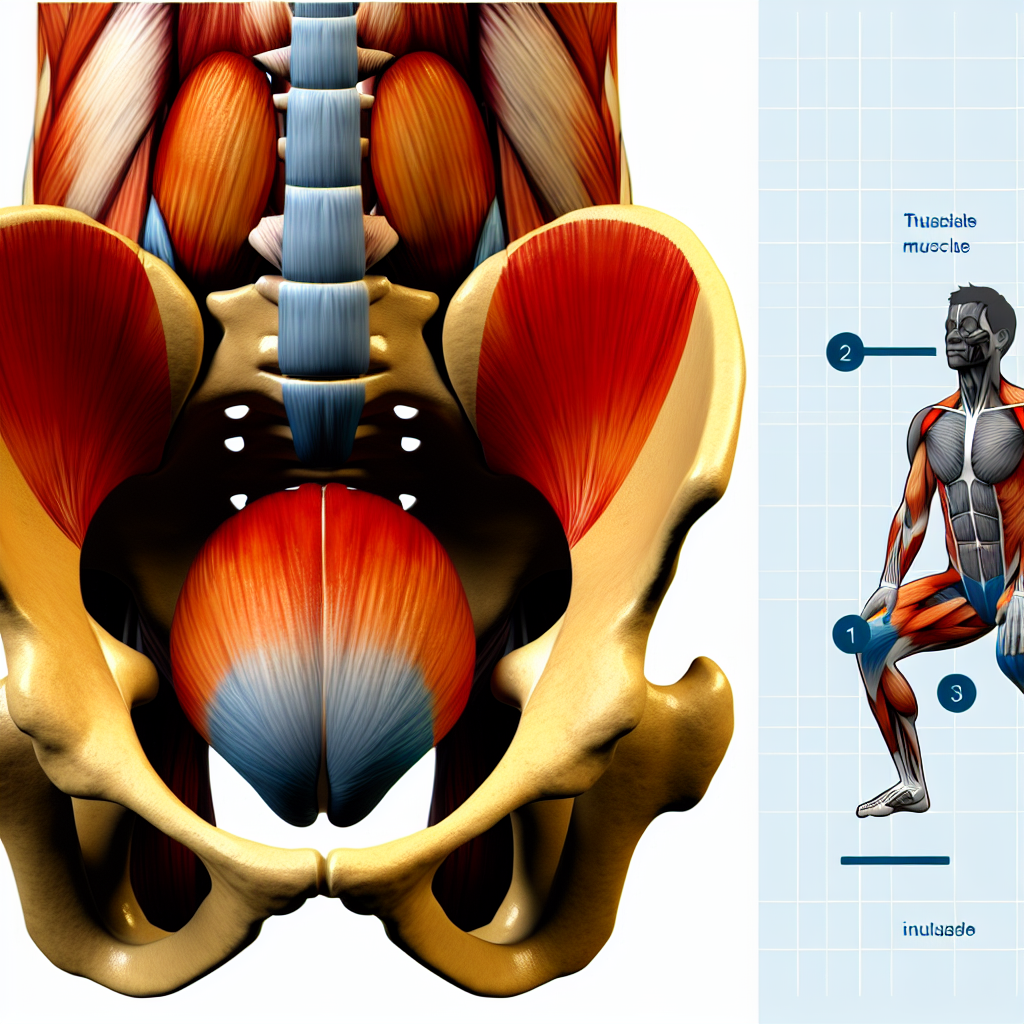
Known informally as Kegel exercises, pelvic floor strengthening has transitioned from postnatal care to mainstream men’s health. It focuses on training muscles such as the pubococcygeus and bulbocavernosus, crucial for ejaculatory and urinary control.
A noteworthy 2014 trial published in Therapeutic Advances in Urology indicated that men who practiced structured pelvic floor exercises thrice weekly noted substantial improvements in both ejaculation latency time and sexual satisfaction after 12 weeks ([NCBI](https://www.ncbi.nlm.nih.gov/pmc/articles/PMC4260291/)).
These exercises are easily integrated into daily routines, require no equipment, and carry zero cost—making them a popular first-line alternative for men wanting privacy and efficacy.
3. Mindfulness and Cognitive Behavioral Techniques
Cognitive Behavioral Therapy (CBT) and Mindfulness-Based Therapy (MBT) are effective in treating PE when psychological factors play a central role.
A 2017 study published in The Journal of Sexual Medicine explored an 8-week MBT course and found marked improvements in ejaculatory control, anxiety reduction, and relationship satisfaction ([Elsevier](https://www.jsm.jsexmed.org/article/S1743-6095(17)30656-1/fulltext)).
CBT aims to replace distorted thought patterns tied to sexual performance anxiety with realistic, empowering beliefs. When CBT is integrated with behavioral or physical exercises, outcomes are significantly enhanced. MBT, on the other hand, strengthens body awareness and de-emphasizes performance, promoting a relaxed, present-focused sexual experience.
4. Acupuncture and Traditional Chinese Medicine
Acupuncture is a pillar of Traditional Chinese Medicine (TCM) and has been used to treat both physical and psychological dimensions of sexual dysfunctions for centuries.
A 2015 systematic review in Complementary Therapies in Medicine concluded there was moderate evidence that acupuncture could improve ejaculation delay and reduce psychological distress associated with PE ([ScienceDirect](https://www.sciencedirect.com/science/article/abs/pii/S0965229915300029)).
In TCM, premature ejaculation is often linked to “kidney yang deficiency” or liver Qi stagnation. Herbal compounds like Qilin pills and Ginseng are prescribed along with acupuncture to restore energy flow and balance organ systems. While widely practiced, further large-scale studies are needed to validate safety and dosage standards globally.
5. Herbal and Natural Remedies
Many men inquire about herbal supplements for premature ejaculation. Plants like Tribulus terrestris, Ashwagandha, Ginkgo biloba, and Panax ginseng are historically recognized for promoting libido and stamina.
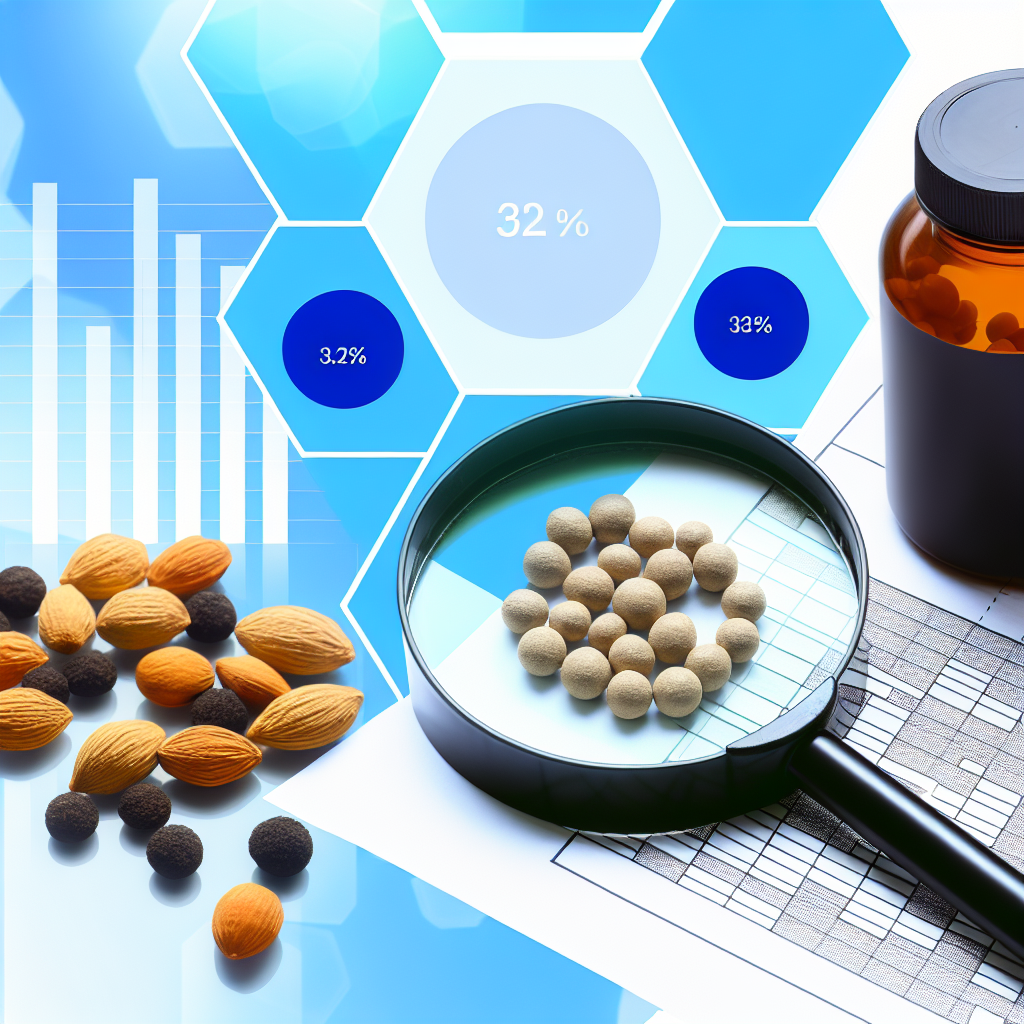
A 2019 meta-analysis published in the American Journal of Men’s Health reviewed their efficacy, noting mild to moderate improvements in ejaculation duration and satisfaction—with relatively few side effects when taken appropriately ([SAGE Journals](https://journals.sagepub.com/doi/10.1177/1557988318825068)).
Still, products vary significantly in quality and ingredient accuracy due to the absence of FDA regulation. Always consult a licensed practitioner before starting herbal therapies, especially if you are on medications or managing chronic conditions.
6. Topical Natural Oils and Essential Oil Blends
Topical anesthetic gels have traditionally been used to slightly desensitize the penis. However, men concerned about chemical formulations are turning to natural essential oil blends.
A 2021 randomized controlled trial published in Urology Journal showed that formulations using clove oil and lavender oil, when applied before intercourse, led to significantly delayed ejaculation with fewer adverse effects than lidocaine-based products ([Urology Journal](https://www.sciencedirect.com/journal/urology)).
Essential oils may provide numbing effects by reducing local sensitivity. Always dilute essential oils with a safe carrier oil like coconut or jojoba oil and perform a skin patch test beforehand to prevent allergic reactions or irritation.
Conclusion
The growing evidence base supporting alternative treatments for premature ejaculation provides men with a wider spectrum of options. Whether it’s through behavioral therapy, mindfulness, or herbal supplementation, many of these treatments show measurable improvements with fewer side effects than pharmaceuticals.
However, individual responses vary. A customized and integrative approach—such as combining Kegel exercises with CBT or herbal treatments with mindfulness—often yields the best results. Open dialogue with a healthcare provider ensures the chosen path is safe, effective, and personalized based on medical history and treatment goals.
Men of all ages should be reassured: PE is manageable, and a fulfilling sex life is attainable with the right education, support, and resources. As research continues, combining modern science with traditional practices could redefine men’s sexual health in the future.
Concise Summary
Alternative treatments for premature ejaculation include behavioral techniques, pelvic floor exercises, mindfulness therapies, acupuncture, herbal supplements, and essential oils. They offer promising outcomes for men seeking natural or less invasive options compared to pharmaceuticals. Research supports their effectiveness, particularly in combination. Still, individual results vary, and medical guidance is essential to ensure safety and optimal care. Integrative strategies empower men across the lifespan to manage PE and improve sexual well-being.
References
– https://pubmed.ncbi.nlm.nih.gov/26409392/
– https://www.ncbi.nlm.nih.gov/pmc/articles/PMC4260291/
– https://www.jsm.jsexmed.org/article/S1743-6095(17)30656-1/fulltext
– https://www.sciencedirect.com/science/article/abs/pii/S0965229915300029
– https://journals.sagepub.com/doi/10.1177/1557988318825068
– https://www.sciencedirect.com/journal/urology

Dominic E. is a passionate filmmaker navigating the exciting intersection of art and science. By day, he delves into the complexities of the human body as a full-time medical writer, meticulously translating intricate medical concepts into accessible and engaging narratives. By night, he explores the boundless realm of cinematic storytelling, crafting narratives that evoke emotion and challenge perspectives. Film Student and Full-time Medical Writer for ContentVendor.com