Biohacking Tools for Home Health Optimization
In a world increasingly driven by technology and personalized wellness, biohacking has emerged as a powerful trend for enhancing one’s physical and mental performance. Originally a niche concept within the biotech and DIY science communities, biohacking has now gone mainstream—with everyone from teenagers to men well into their 90s taking a proactive role in optimizing their health. For American males juggling modern pressures like academic stress, career ambitions, or chronic conditions later in life, biohacking tools provide an innovative and often convenient path to wellness, all from the comfort of home.
Biohacking involves strategic self-experimentation with biology—leveraging nutrition, performance-enhancers, technology, and lifestyle protocols. While some may be extreme, like implantable chips or genetic editing, many at-home biohacking options are both practical and supported by science. From wearables and red light therapy to nootropics and sleep-tracking devices, these tools provide real-time health feedback to help users proactively monitor and support their mind-body performance.
For younger generations like Millennials and Gen Z, the appeal lies in optimal energy, enhanced focus, and mental resilience. Teens and students are increasingly tapping into meditation apps, cold therapy, and blue light blockers. Middle-aged men use these tools to manage energy levels, weight, and hormonal shifts, while older men seek to extend lifespan, improve memory, and maintain independence.
As healthcare becomes more digitized and personalized, these tools are not only more accessible but also more affordable. The post-pandemic focus on self-care and remote monitoring has accelerated the adoption of home-based health technologies. The global biohacking market is projected to grow significantly, indicating growing consumer trust in tech-driven wellness strategies.
Let’s explore the most effective, science-backed tools available for home use and how they support men’s health across age groups.
Features and Science-Backed Tools
1. Wearable Trackers (Oura Ring, WHOOP, Fitbit)
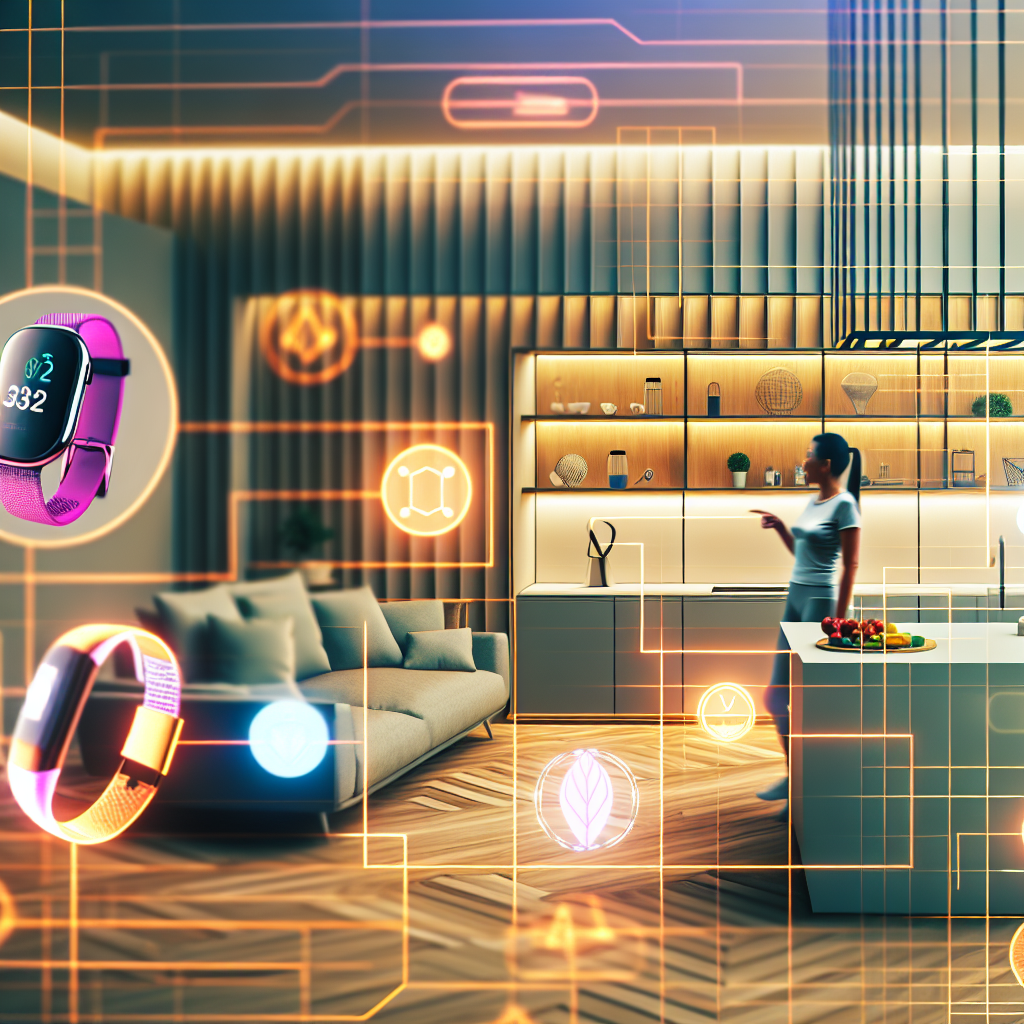
Wearable technology delivers detailed health metrics, such as heart rate variability, sleep stages, respiratory rate, and stress response. Devices like the Oura Ring, WHOOP, and Fitbit assess recovery and activity levels. These trackers are excellent for daily use, encouraging better sleep hygiene, physical activity, and recovery practices. A study published in the Journal of Medical Internet Research found that consistent use of wearables enhances clinical outcomes for people with chronic diseases.
2. Red Light Therapy (Photobiomodulation)
Red light therapy uses targeted wavelengths of light (typically 600–850nm) to penetrate the skin and stimulate mitochondria, promoting cellular repair and improved ATP production. Devices like Joovv and Mito Red can accelerate muscle recovery, reduce inflammation, and reduce signs of aging. A meta-analysis in Lasers in Medical Science supports benefits for skin regeneration, reduced muscle fatigue, and better sleep.
3. Blue Light Blocking Glasses
Blue light blockers like those from Felix Gray and Swanwick minimize melatonin suppression caused by screens and LED lights at night. Wearing them during evening hours promotes better circadian alignment. A controlled study in Chronobiology International showed significant increases in both mood and sleep quality among participants wearing these glasses for two weeks.
4. Nootropic Supplements
Nootropics are cognitive enhancers that may improve memory, focus, and stress management. Natural compounds like L-theanine (found in green tea), Rhodiola Rosea, and Bacopa Monnieri have shown promising effects in human studies. One clinical trial demonstrated that Rhodiola significantly improved cognitive speed and reduced fatigue in stressful environments. For men in high-demand roles, these can be powerful tools for sustained focus.
5. Home Hormone Testing Kits
Hormonal imbalances can affect energy, libido, mood, and metabolism. At-home kits from LetsGetChecked or Everlywell allow men to track markers such as testosterone, cortisol, and thyroid hormones. While not a substitute for a doctor’s visit, they offer insight for those experiencing unexplained fatigue or mood shifts. A study in the Journal of Clinical Endocrinology and Metabolism validated the accuracy of saliva-based hormone assessments under standardized conditions.
6. Cold Therapy Tools (Cold Showers, Ice Baths)
Cold immersion techniques—like cold showers and ice baths—stimulate the nervous system, reduce inflammation, and boost mood via endorphin release. Athletes often use cold exposure for muscle recovery. A study in the North American Journal of Medical Sciences showed that cryotherapy can reduce delayed-onset muscle soreness and improve athletic performance post-exercise, making it a valuable tool for active men.
7. Smart Sleep Devices (Trackers, White Noise, Neurofeedback)
Quality sleep is crucial for maintaining testosterone levels, cognition, immune health, and mood. Devices like the Muse Headband, Dodow, and sleep-focused apps use biofeedback, sound therapy, or light control to facilitate deep sleep and circadian balance. Some combine relaxation training and EEG tracking to guide brainwaves into sleep-friendly states. These digital tools are especially effective for users struggling with insomnia or shift work.
Conclusion
As wellness becomes more personalized, home biohacking tools are becoming essential resources in the proactive health toolkit. Whether you’re a student trying to boost mental clarity, a professional optimizing productivity, or a senior preserving cognitive and physical health, today’s tools make it easier than ever to take control of your biology. Importantly, many of these methods are rooted in peer-reviewed research and offer safe, user-friendly applications with tangible outcomes.
Users should remain mindful, however, that results vary. Biohacking is most effective when tailored individually—backed by personal insight and, when needed, professional guidance. Instead of chasing every trend, focus on habits and tools with clear evidence. The best outcomes often come from sustainable routines built over time.
By blending behavioral science, cutting-edge devices, and self-awareness, at-home biohacking becomes more than just a trend—it’s a respected method of long-term health optimization.
Concise Summary
Biohacking is a rising wellness trend that empowers men to take charge of their health using technology and self-optimization at home. Tools like wearable trackers, red light therapy, blue light blockers, nootropics, hormone test kits, cold therapy, and sleep devices are backed by science and offer targeted support for energy, cognition, recovery, and longevity. Widely accessible and customizable, these tools cater to men of all ages seeking enhanced performance and well-being. However, individual results vary, and success hinges on personalization and consistency. Biohacking works best when rooted in sustainability and guided by credible science and self-awareness.
References
- https://www.jmir.org/2019/4/e12279/
- https://link.springer.com/article/10.1007/s10103-019-02847-4
- https://www.tandfonline.com/doi/abs/10.3109/07420528.2015.1073157
- https://onlinelibrary.wiley.com/doi/full/10.1002/ptr.2069
- https://academic.oup.com/jcem/article/92/11/4010/2597299
- https://www.ncbi.nlm.nih.gov/pmc/articles/PMC3761836/

Dominic E. is a passionate filmmaker navigating the exciting intersection of art and science. By day, he delves into the complexities of the human body as a full-time medical writer, meticulously translating intricate medical concepts into accessible and engaging narratives. By night, he explores the boundless realm of cinematic storytelling, crafting narratives that evoke emotion and challenge perspectives. Film Student and Full-time Medical Writer for ContentVendor.com