Beyond Testosterone: The Role of ‘Forgotten Hormones’ in Male Vitality and Performance
Introduction
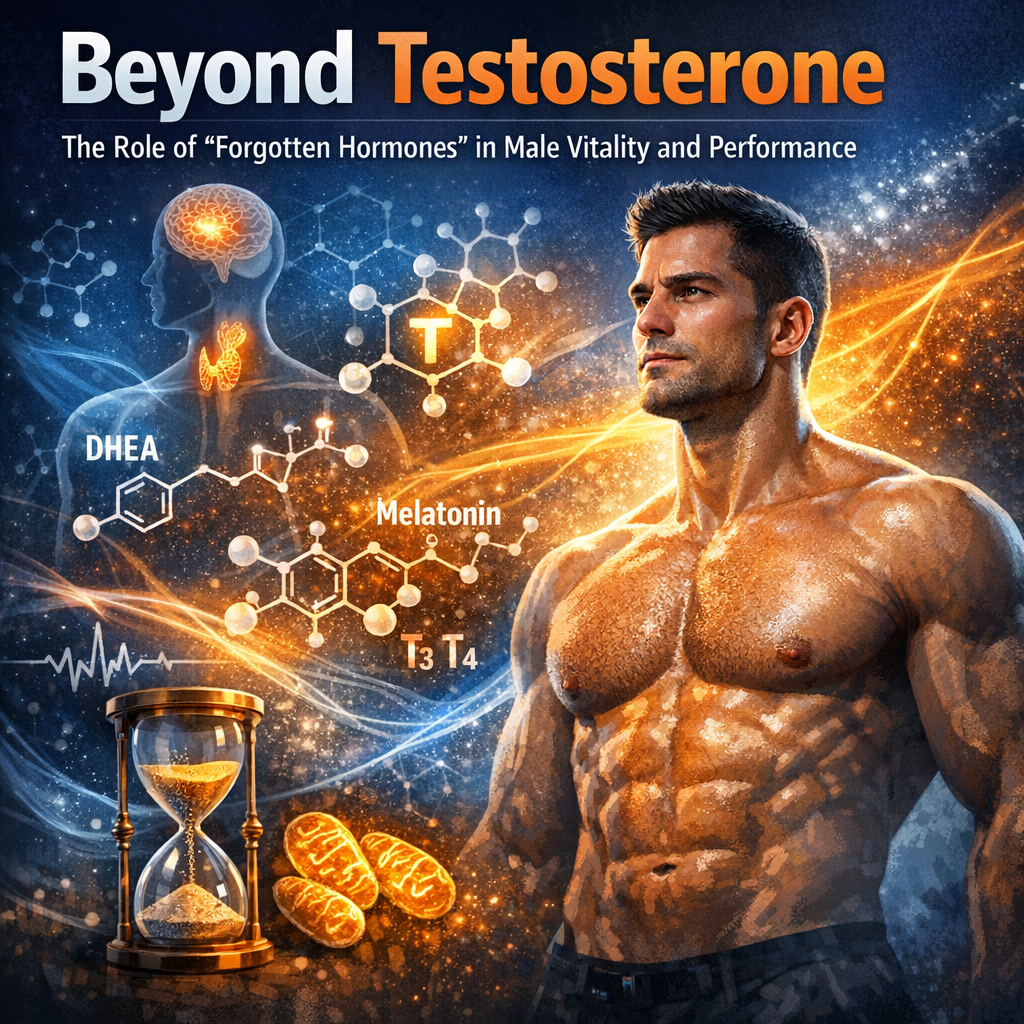
When discussing **male vitality** and performance, **testosterone** often takes center stage. This hormone, produced primarily in the **testicles**, plays a critical role in numerous bodily functions, from fostering muscle growth and bone density to influencing mood and libido. However, testosterone is not the sole player in the complex game of **male health**. There exists a collection of ‘forgotten hormones’ that, though lesser-known, are pivotal to maintaining a man’s health and overall well-being. These hormones, such as **dihydrotestosterone (DHT)**, **estrogen**, **thyroid hormones**, and **cortisol**, work in concert, each contributing to various aspects of male vitality.
**DHT**, a potent derivative of testosterone, is vital for male sexual health and hair growth. While excessive levels are linked to male pattern baldness, its presence is necessary for the development of male characteristics during puberty and maintaining libido. Similarly, **estrogen**, often considered a female hormone, plays crucial roles in regulating mood, cholesterol metabolism, and bone health in men. A healthy estrogen balance is essential, as both excessive and insufficient levels can lead to health issues.
**Thyroid hormones** such as thyroxine (**T4**) and triiodothyronine (**T3**) regulate the body’s metabolism. They influence energy levels, weight, and even mood stability. Producing the right amount of these hormones ensures that the body functions effectively, emphasizing their importance in sustained male performance. Additionally, **cortisol**, often dubbed the ‘stress hormone,’ manages energy by regulating how the body converts proteins, carbohydrates, and fats into energy. It also plays a role in managing inflammation and maintaining cardiovascular function. Chronic stress can lead to elevated cortisol levels, resulting in adverse effects such as fatigue, weight gain, and impaired immune function.
These ‘forgotten hormones’ interact with each other and testosterone to create a delicately balanced symphony necessary for optimal male health. Ignoring them can lead to overlooked conditions that may impact a man’s quality of life. Let’s delve deeper into the scientific studies that highlight the significance of these often-overlooked hormones and their roles in enhancing male vitality and performance.
Features
A closer investigation into the medical literature reveals the intricate roles of these ‘forgotten hormones.’ For instance, a study published in the [Journal of Clinical Endocrinology and Metabolism](https://academic.oup.com/jcem) highlights the role of dihydrotestosterone (**DHT**) in male aging. It states that while elevated DHT levels are linked to hair loss, low levels can reduce sex drive and contribute to erectile dysfunction. This balance underscores the importance of understanding individual hormonal needs to tailor effective treatments for sexual health issues.
**Estrogen** in men, meanwhile, is essential for joint health and brain function. Research by the [International Journal of Endocrinology](https://www.hindawi.com/journals/ije) notes that men with low estrogen levels are at a higher risk of osteoporosis, similar to their female counterparts after menopause. This study promotes the understanding that appropriate estrogen levels are crucial for maintaining bone density. Furthermore, low estrogen levels have been linked to increased abdominal fat, which can subsequently lead to cardiovascular diseases.
**Thyroid hormones**’ influence on male health is well-documented. A study featured in the [American Thyroid Association](https://www.thyroid.org) journal indicates that thyroid hormone imbalances can lead to significant mood fluctuations, cognitive impairment, and energy decline. These imbalances, characterized as hypothyroidism or hyperthyroidism, can severely impact daily performance, emphasizing the necessity for regular screenings, especially as men age.
**Cortisol**, often released in response to stress, has been examined extensively due to its impact on health. The [Journal of Stress Physiology & Biochemistry](https://www.jspb.ru) discusses cortisol’s role as a double-edged sword—vital for stressful situations requiring immediate endurance or energy but detrimental when chronically elevated. Chronic high cortisol levels are associated with conditions such as adrenal fatigue, weakened immune response, and metabolic disorders.
The studies collectively affirm that a holistic approach considering all hormonal influencers is essential for comprehensive male health strategies. Addressing only testosterone levels while neglecting other hormones could lead to suboptimal treatments or overlook significant health concerns.
Conclusion
In the quest for **male vitality** and enhanced performance, focusing solely on testosterone provides an incomplete perspective. The ‘forgotten hormones’—**DHT**, **estrogen**, **thyroid hormones**, and **cortisol**—each have their unique contributions and balances to maintain. Together, they form an intricate hormonal symphony critical to health and well-being. Understanding these hormones’ roles and interconnections can guide more personalized and effective health strategies for men. Health practitioners and individuals alike must appreciate these hormones’ importance beyond testosterone, fostering a more holistic understanding of **male health** for teenage males through senior age. By acknowledging and nurturing these hormones, men can achieve a balanced lifestyle, improved health outcomes, and optimal performance throughout life.
Concise Summary
This article explores the significance of ‘forgotten hormones’ in enhancing male health and performance beyond testosterone. Focused on dihydrotestosterone (DHT), estrogen, thyroid hormones, and cortisol, it highlights their unique and interrelated roles in male vitality. Various scientific studies underscore these hormones’ impact on sexual health, mood, metabolism, and stress response. The article emphasizes the necessity of a balanced hormonal interaction for comprehensive health strategies, advocating for awareness beyond testosterone. Understanding these hormones’ influence can lead to more individualized health approaches, encouraging optimal performance and well-being in men throughout different life stages.

Dominic E. is a passionate filmmaker navigating the exciting intersection of art and science. By day, he delves into the complexities of the human body as a full-time medical writer, meticulously translating intricate medical concepts into accessible and engaging narratives. By night, he explores the boundless realm of cinematic storytelling, crafting narratives that evoke emotion and challenge perspectives. Film Student and Full-time Medical Writer for ContentVendor.com