The Neuroscience of Erectile Health: Unlocking the Brain’s Role in Sexual Performance
In recent years, the complexity of **erectile health** has garnered increased attention among **healthcare professionals** and the public. While many traditionally view **erectile dysfunction (ED)** as a physical issue, recent advances in **neuroscience** have highlighted the brain’s critical role in **sexual performance**. Understanding the **neural mechanisms** behind erections can enhance medical treatments and lifestyle approaches for promoting optimal **sexual health**.
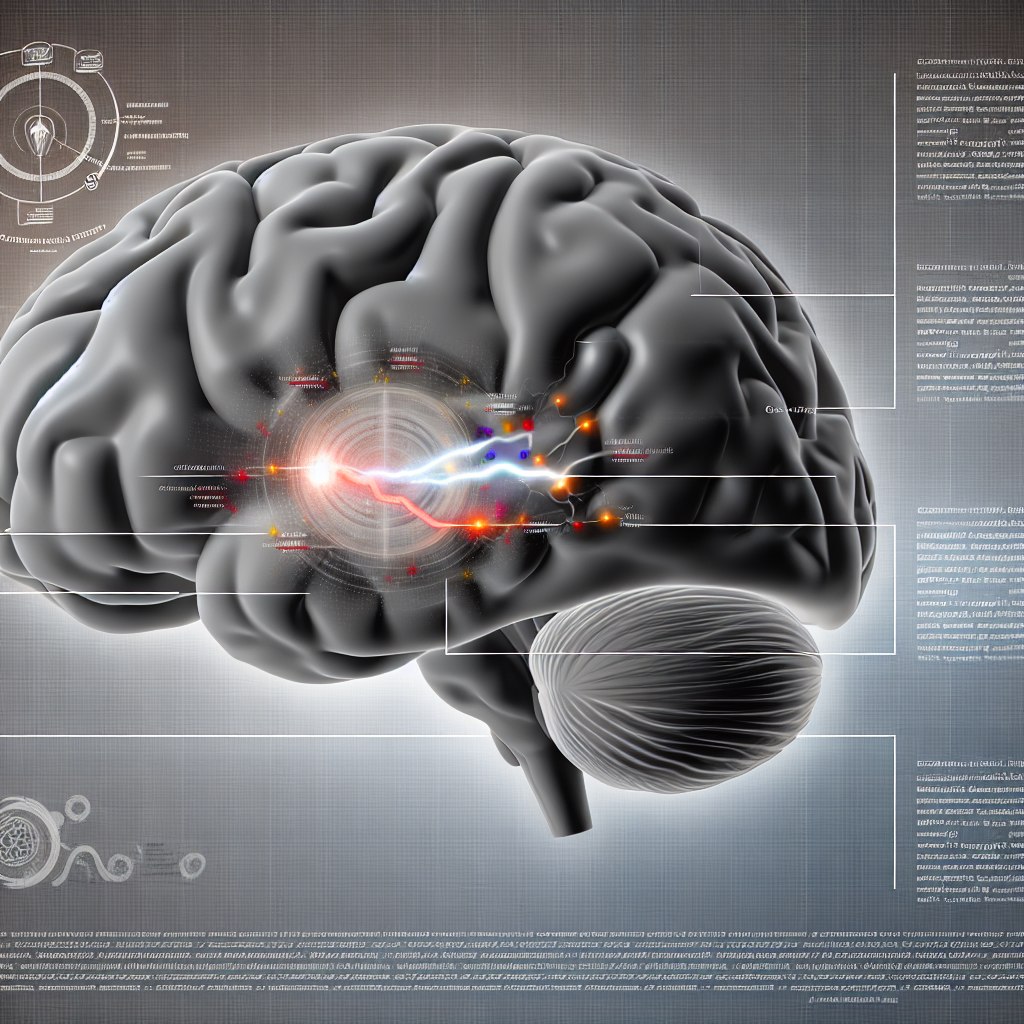
Erections are not merely the result of physical stimuli; they begin in the **brain**. The initial phase of an **erection** involves intricate communication between neurons and neurotransmitters like **dopamine** and **nitric oxide**. These chemicals initiate a cascade of events, increasing blood flow to the penis and allowing for an erection to occur. This neural command center underscores the profound connection between **mental health**, **emotional well-being**, and **sexual function**.
Furthermore, stress, anxiety, and depression can significantly impact erectile health by altering brain chemistry and disrupting neural pathways. For instance, anxiety can trigger the release of adrenaline, narrowing blood vessels and inhibiting erections. The mental and emotional states of individuals, thus, play a pivotal role in sexual performance. A comprehensive approach to tackling ED must address both the physical and psychological components.
The importance of understanding this **brain-body connection** extends beyond the bedroom. **Erectile dysfunction** can be an early indicator of other health issues, such as **cardiovascular disease**, which makes it imperative to consider the holistic aspect of health in any treatment plan. By exploring the intersection of **neuroscience** and erectile health, we open the door to understanding male sexual performance, with the potential to unlock innovative therapeutic strategies and enhance overall **well-being**.
Features: Neuroscience Studies and Erectile Health
Recent studies on how the brain influences erectile function offer groundbreaking opportunities for both treatment and prevention strategies. Key research highlights the critical pathways and mechanisms at work.
One noteworthy study published in *Brain Research* explored the role of **dopamine**, a neurotransmitter linked to pleasure and reward processes in the brain, in sexual function. Researchers found that increasing dopamine levels in specific brain regions promoted better erectile responses in animal models. This has implications for developing therapies targeting neurotransmitter systems to bolster **erectile health** without resorting to traditional pharmacological interventions alone ([link](https://www.sciencedirect.com/science/article/abs/pii/S0006899311009127)).
Further research has delved into the brain’s relationship with **nitric oxide (NO)**, crucial for initiating erection. A study from the *Journal of Clinical Investigation* discovered that the brain’s ability to produce and regulate nitric oxide is significantly linked to erectile capabilities ([link](https://www.jci.org/articles/view/116184)). This finding points towards therapeutic targets enhancing NO production to mitigate **ED symptoms**.
Another significant piece of research published in the *Journal of Sexual Medicine* examined how psychological factors, including anxiety and depression, influence erectile function via the central nervous system. Using neuroimaging techniques, the study demonstrated that these mental health conditions can alter activity in key brain regions involved in sexual arousal and performance ([link](https://www.jsm.jsexmed.org/article/S1743-6095(15)00003-7/fulltext)). These insights emphasize the need for comprehensive mental health screening as part of **ED treatment**.
Medically, recognizing the brain’s critical role in sexual health signifies a shift from a local (genital-centric) approach to a more integrated treatment paradigm. By focusing on both neurological and psychological health, healthcare providers can formulate more effective and tailored interventions for those suffering from **erectile dysfunction**. This research heralds a new era where understanding the brain’s role in sexual performance is as essential as addressing the physical manifestations of **ED**.
Conclusion
Embracing the neuroscience behind erectile health offers a holistic perspective—encouraging a paradigm shift in how we view and address **ED**. Recognizing the intricate brain-body connection infuses new life into treatment approaches, enabling us to view **erectile function** not just as a reflection of physical well-being but also as an indicator of mental, emotional, and systemic health.
Advancements in understanding how the **brain** orchestrates sexual performance empower individuals to take proactive steps in nurturing both their mental and physical health as part of their sexual health strategy. By leveraging neuroscience insights, men can address potential barriers to sexual performance with a comprehensive approach that prioritizes both brain and body, from effective medical treatments to lifestyle change recommendations.
This nuanced understanding paves the way for personalized medicine and enduring remedies, ensuring that men across all ages and health spectrums can maintain robust sexual health and overall well-being.
**Summary**
The neuroscience of erectile health underscores the brain’s role in sexual performance and the integral connection between mental and physical health. Recent studies reveal that neurotransmitters like dopamine and nitric oxide play pivotal roles in erectile function, highlighting new therapeutic possibilities. Furthermore, mental health conditions such as anxiety and depression can disrupt brain pathways, affecting erections. These insights advocate for a comprehensive approach to erectile dysfunction (ED) treatment that integrates neurological, psychological, and physical aspects—shifting to a holistic view of men’s sexual and systemic well-being. This understanding encourages personalized, integrative therapies for enduring sexual health.

Dominic E. is a passionate filmmaker navigating the exciting intersection of art and science. By day, he delves into the complexities of the human body as a full-time medical writer, meticulously translating intricate medical concepts into accessible and engaging narratives. By night, he explores the boundless realm of cinematic storytelling, crafting narratives that evoke emotion and challenge perspectives. Film Student and Full-time Medical Writer for ContentVendor.com