Unlocking the Secrets: How Ultra-Processed Foods Are Sabotaging Male Vitality and What to Do About It
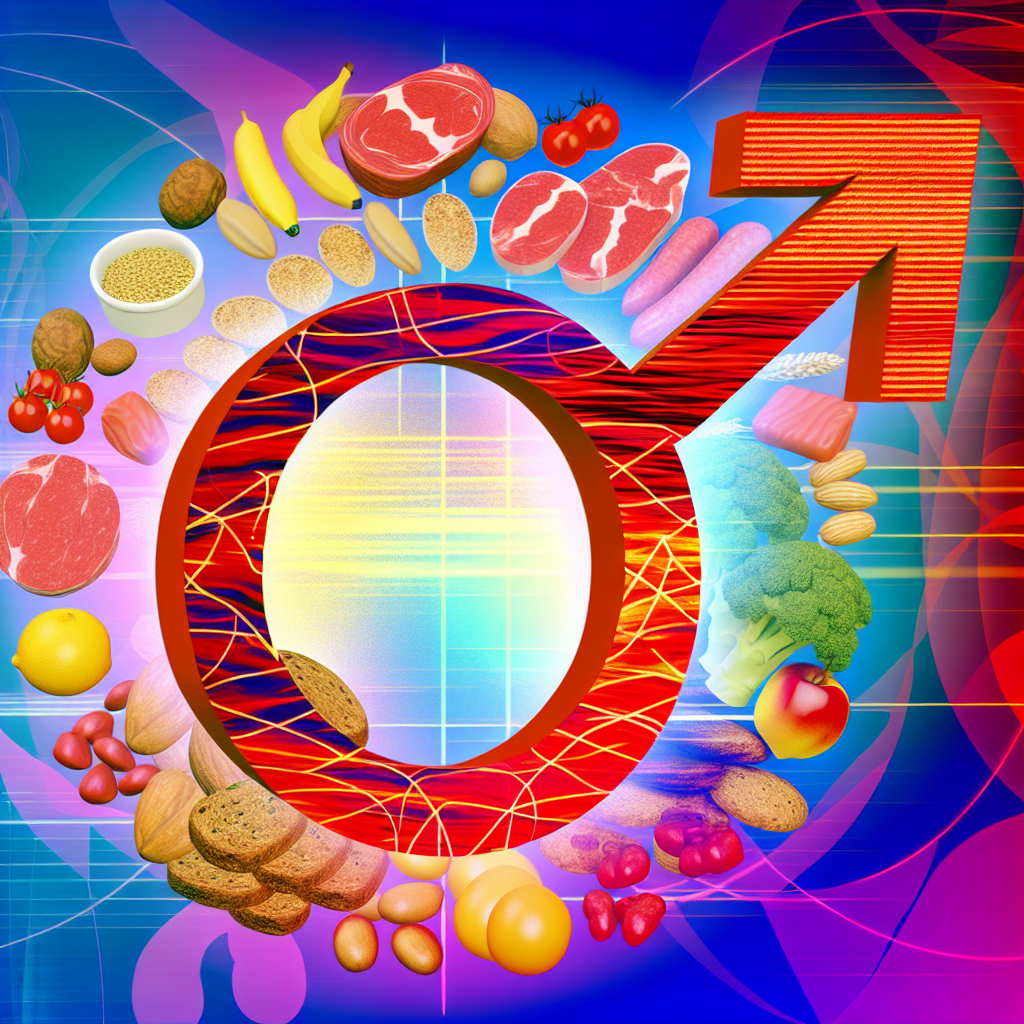
In an era of **fast food**, quick meals, and **processed snacks**, the convenience of **ultra-processed foods** often takes precedence over nutrition. For males ranging from teens to their 90s, the impact of these dietary choices can significantly undermine vitality and long-term health. **Ultra-processed foods**, laden with additives, preservatives, and artificial colors, are the most manipulated and industrially derived of food types. The simplicity with which they fit into daily life makes them appealing, yet the implications on male health are alarming.
Across the United States, the reliance on these types of foods is growing, contributing to an increase in lifestyle-related health concerns. According to studies, more than half of the American diet consists of **ultra-processed foods**. These are not just limited to snacks like chips and candies but also include many packaged breads, cereals, and ready-to-eat meals that promise convenience but often deliver empty calories and excess sugars and salts. This shift in dietary patterns can be particularly challenging for males, whose nutritional needs evolve significantly throughout different life stages.
For teenage boys, whose bodies are still developing, the consumption of **ultra-processed foods** can interfere with growth, hormonal balance, and cognitive development. As men age, maintaining muscle mass, bone density, and sexual health becomes increasingly crucial. Unfortunately, a diet high in **ultra-processed foods** can lead to obesity, metabolic syndrome, heart disease, and other lifestyle-related ailments. These conditions can adversely affect energy levels, physical performance, and sexual health, all vital aspects of male vitality.
**Research shows** that the additives in **ultra-processed foods** can lead to inflammation and hormonal disruption. Studies have pointed out the potential for such foods to contribute to decreased **testosterone levels**, a critical hormone in maintaining male vitality. Furthermore, the high glycemic index commonly found in these foods can lead to insulin resistance, diminishing energy levels and overall physical health.
With male vitality intricately tied to nutrition, understanding the adverse effects of **ultra-processed foods** empowers action toward healthier dietary choices. While these foods provide a quick fix in a fast-paced world, prioritizing whole and minimally processed foods can greatly enhance overall wellness and vigor, paving the way for a healthier life irrespective of age.
Features: What Research Says About Ultra-Processed Foods and Male Health
Recent studies highlight the alarming effects of **ultra-processed foods** on male health. A pivotal study by the [National Institutes of Health (NIH)](https://www.nih.gov/news-events/nih-research-matters/diet-high-risk-high-fiber-prebiotic-mecabolic-syndrome) found that diets high in **ultra-processed foods** are linked to an increase in metabolic syndrome, which includes a cluster of conditions like high blood pressure, obesity, and high blood sugar levels. These factors are directly linked to cardiovascular diseases, the number one cause of death among men in the United States. By understanding this connection, males can take proactive steps to modify their diets for improved cardiac health.
Further research, such as that published in the [British Medical Journal (BMJ)](https://www.bmj.com/content/360/bmj.k322), correlates **ultra-processed food** consumption with an increased risk of cancer, including **prostate cancer**. The study noted that the chemicals and additives used in these foods may have carcinogenic properties or may interfere with normal cellular function in the body. As **prostate health** becomes a critical concern with age, taking dietary insights from these studies could be life-saving.
Moreover, the impact of **ultra-processed foods** on testosterone levels is substantial, as highlighted in a study published in the [Journal of Clinical Endocrinology & Metabolism](https://academic.oup.com/jcem/article/103/4/1331/4955942). This hormone plays a vital role in male vitality, affecting everything from muscle mass to libido. **Ultra-processed diets**, especially those high in sugars and unhealthy fats, have been shown to lower testosterone levels, leading to symptoms such as fatigue, depression, and a decreased sex drive—all detrimental to male vitality.
The **gut health** connection cannot be ignored either. **Ultra-processed foods** can disturb gut microbiome balance, which is crucial for nutrient absorption and immune function. Research from the [University of São Paulo](https://pubmed.ncbi.nlm.nih.gov/30186552/) suggests that such dietary patterns can lead to dysbiosis, where harmful bacteria outweigh beneficial ones, potentially impacting both mental and physical health. The interplay between gut health and overall vitality underscores the importance of reducing **ultra-processed food intake**.
By nurturing an understanding of these professional and medical studies, males can make informed dietary adjustments that support vitality and health at every age. Prioritizing whole foods, rich in nutrients and free from harmful additives, can transform health outcomes and bolster longevity.
Conclusion
The road to maintaining **male vitality** through the years hinges significantly on dietary choices. While **ultra-processed foods** may offer the advantages of taste and convenience, their hidden costs on health are too significant to overlook. By actively limiting the consumption of these foods and turning instead to fresh, whole foods, males can enhance their vitality, safeguard against lifestyle diseases, and ensure a robust, energetic life well into their later years.
Embracing a diet rich in natural ingredients, dense in essential nutrients, and aligned with health-conscious principles forms the cornerstone of lasting vitality. Informed choices driven by scientific insight lay the groundwork for improved health and recovery, making it possible to combat the allure of **ultra-processed foods** and embrace a nourished, vibrant life. The path forward requires awareness and commitment, and in this journey, the benefits of prioritizing health today ensure a future full of promise.
**References**
1. [National Institutes of Health (NIH) Study on Diet and Metabolic Syndrome](https://www.nih.gov/news-events/nih-research-matters/diet-high-risk-high-fiber-prebiotic-mecabolic-syndrome)
2. [British Medical Journal Research on Ultra-Processed Foods and Cancer Risk](https://www.bmj.com/content/360/bmj.k322)
3. [Journal of Clinical Endocrinology & Metabolism on Diet and Testosterone Levels](https://academic.oup.com/jcem/article/103/4/1331/4955942)
4. [University of São Paulo Study on Ultra-Processed Foods and Gut Health](https://pubmed.ncbi.nlm.nih.gov/30186552/)
**Concise Summary**
Ultra-processed foods, rich in additives and preservatives, are increasingly prevalent in diets, particularly among males, impacting vitality and long-term health. These foods are linked to obesity, metabolic syndrome, cardiovascular diseases, and even cancer. Research indicates their negative effects on testosterone levels and gut health, crucial for male vigor. Prioritizing whole, nutrient-rich foods helps counteract these impacts, promoting better health outcomes. Informing oneself of the consequences of these foods and shifting to a healthier diet can lead to sustained energy, improved well-being, and an enhanced quality life at any age.

Dominic E. is a passionate filmmaker navigating the exciting intersection of art and science. By day, he delves into the complexities of the human body as a full-time medical writer, meticulously translating intricate medical concepts into accessible and engaging narratives. By night, he explores the boundless realm of cinematic storytelling, crafting narratives that evoke emotion and challenge perspectives. Film Student and Full-time Medical Writer for ContentVendor.com