The Future of Men’s Health: How AI-Powered Diagnostics are Transforming Erectile Dysfunction Treatment
Introduction
**Erectile Dysfunction (ED)** is a condition affecting millions of men globally, impacting both their physical and emotional well-being. Traditional **diagnosis** relies heavily on medical examinations and patient reports, often resulting in a process that feels cumbersome and stigmatizing. Now, thanks to **Artificial Intelligence (AI)**, the **healthcare** landscape for ED is undergoing a revolutionary transformation.
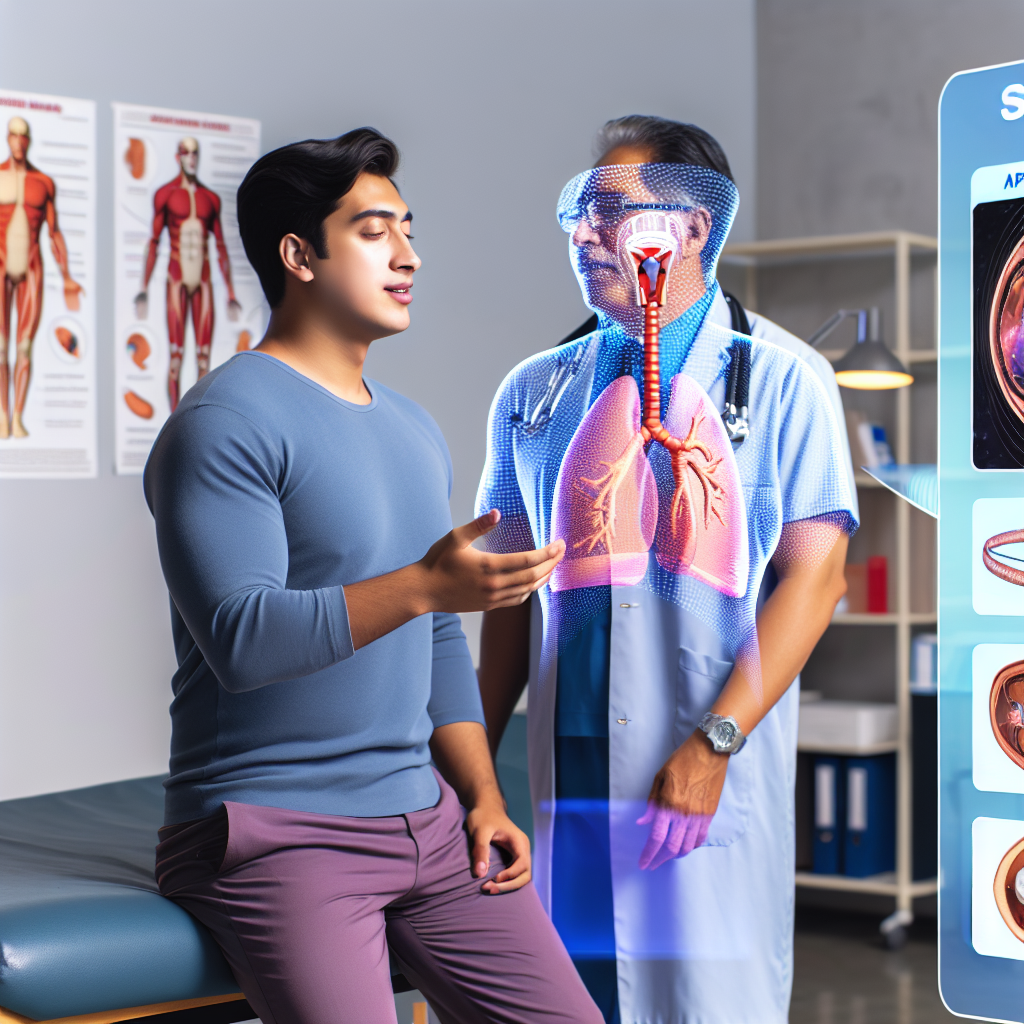
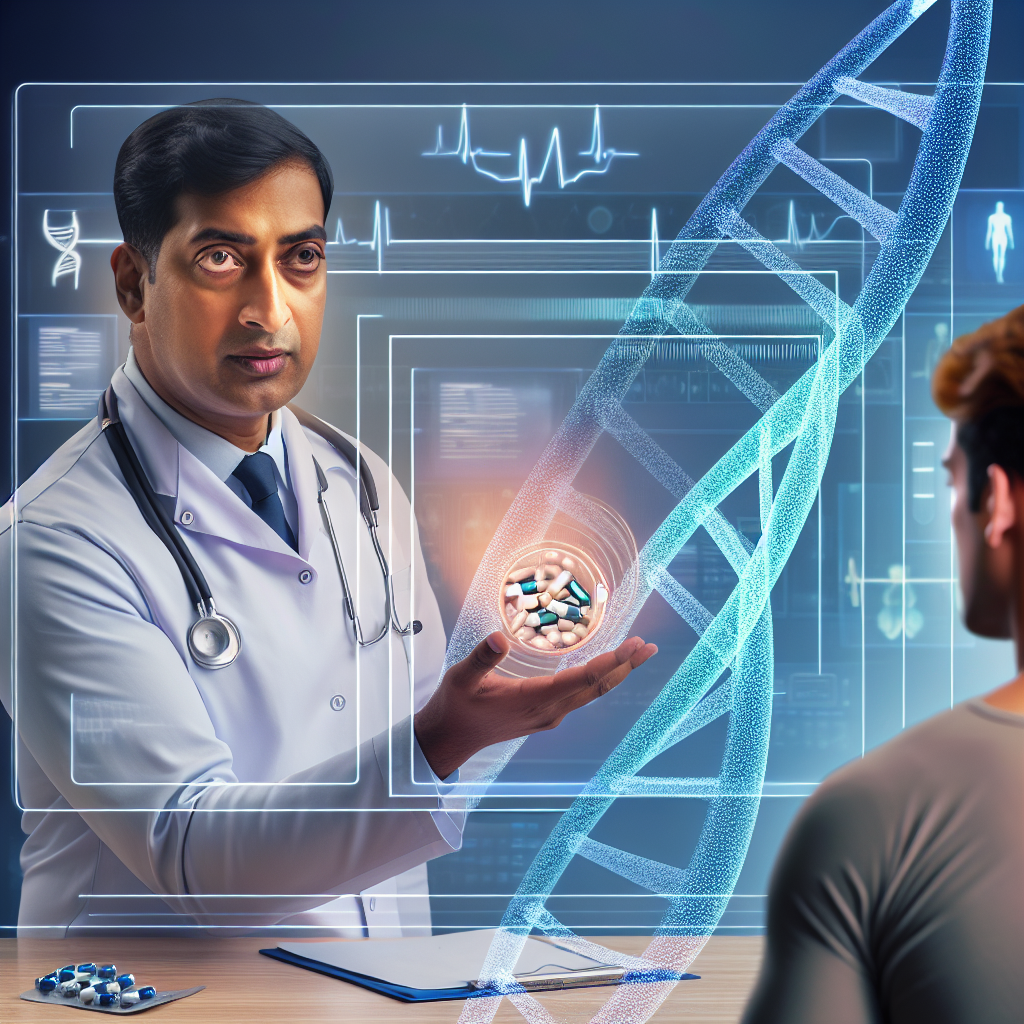
AI is rapidly advancing, providing detailed, data-driven insights previously unimaginable. In men’s health, **AI-powered diagnostics** deliver timely and precise assessments to offer effective, personalized treatment plans tailored to individual needs. Using complex algorithms and **machine learning models**, AI analyzes various factors, from hormonal levels to psychological aspects, offering a holistic view of each patient’s profile to pinpoint the root cause of ED. This ensures interventions are based on empirical, data-backed findings rather than guesswork.
A significant benefit of AI-driven diagnostics is the reduction in **misdiagnosis** and elimination of unnecessary treatments. With AI sophistication, healthcare professionals can differentiate between ED caused by psychological factors versus physiological origins, allowing for efficient treatment plans.
Moreover, AI systems constantly learn and update their databases with the latest **medical research** and clinical trials, ensuring treatment options are cutting-edge. **Predictive analytics** help foresee potential complications, allowing proactive management.
In our fast-paced era, AI sets a new standard in healthcare. For those suffering from ED, this means faster, more accurate diagnoses, and the opportunity to recover quality of life with dignity and confidence.
Features
Recent studies have highlighted AI’s transformative power in diagnosing and treating **erectile dysfunction**. A notable study published in the [*Journal of Medical Internet Research*](https://www.jmir.org) explored AI’s potential to predict ED onset through lifestyle and demographic data, revealing AI’s ability to identify subtle patterns often overlooked by traditional methods.
Another pivotal study in the [*International Journal of Impotence Research*](https://www.nature.com) showed how **machine learning** algorithms evaluated cardiovascular data, closely linked to ED risk, aiding in early diagnosis. By cross-referencing heart rate variability, blood pressure, and cholesterol levels, AI accurately predicted ED development in patients at cardiovascular disease risk, enhancing conventional methods that often require invasive procedures or expensive tests.
Research by [Stanford University](https://ai.stanford.edu) further exemplifies AI’s revolutionary role. Their AI algorithm used **natural language processing (NLP)** to analyze electronic health records, efficiently triaging patients. This tool identified candidates for early intervention, showcasing AI’s capability in active patient management.
Moreover, **wearable technology** incorporating AI, like smart rings and wristbands, offers real-time monitoring of physiological parameters—nocturnal erections, sleep patterns, and stress levels—enabling accurate diagnoses. These gadgets seamlessly gather and process data via AI platforms, reducing frequent hospital visits and enhancing privacy.
These studies highlight a paradigm shift in approaching ED, focusing on treatment, prevention, and early intervention. AI not only enhances diagnostics but also opens avenues for novel treatments integrating patient feedback, ensuring a holistic, adaptive healthcare experience.
Conclusion
AI-powered diagnostics are at the forefront of modern healthcare innovation, redefining the future of men’s health. For ED, with its complex physiological and psychological intricacies, AI offers transformation through the dissection of complex datasets yielding meaningful insights. This paves the way for targeted, personalized medical care aligned with each patient’s unique physiology and lifestyle.
As research evolves, AI capabilities will likely expand, incorporating sophisticated biometrics and environmental factors into diagnostics. This advancement promises to make ED increasingly manageable, stripping stigma and replacing uncertainty with assurance. Embracing this technology not only alleviates the burden on healthcare systems but empowers men to take control of their health with impactful, informed decisions.
**Concise Summary:**
AI is revolutionizing the diagnosis and treatment of erectile dysfunction (ED) by offering precise, data-driven insights that enable personalized interventions. Studies show AI can accurately predict ED onset and assist in early diagnosis by analyzing lifestyle, demographic, and cardiovascular data. With wearable technology and continuous learning, AI systems reduce misdiagnosis, streamline patient management, and open avenues for innovative treatments. As AI technology continues to evolve, it promises to make ED more manageable, replacing stigma with assurance and empowering men to make informed health decisions.

Dominic E. is a passionate filmmaker navigating the exciting intersection of art and science. By day, he delves into the complexities of the human body as a full-time medical writer, meticulously translating intricate medical concepts into accessible and engaging narratives. By night, he explores the boundless realm of cinematic storytelling, crafting narratives that evoke emotion and challenge perspectives. Film Student and Full-time Medical Writer for ContentVendor.com