Biohacking Male Vitality: Unconventional Strategies for Lifelong Performance
Introduction
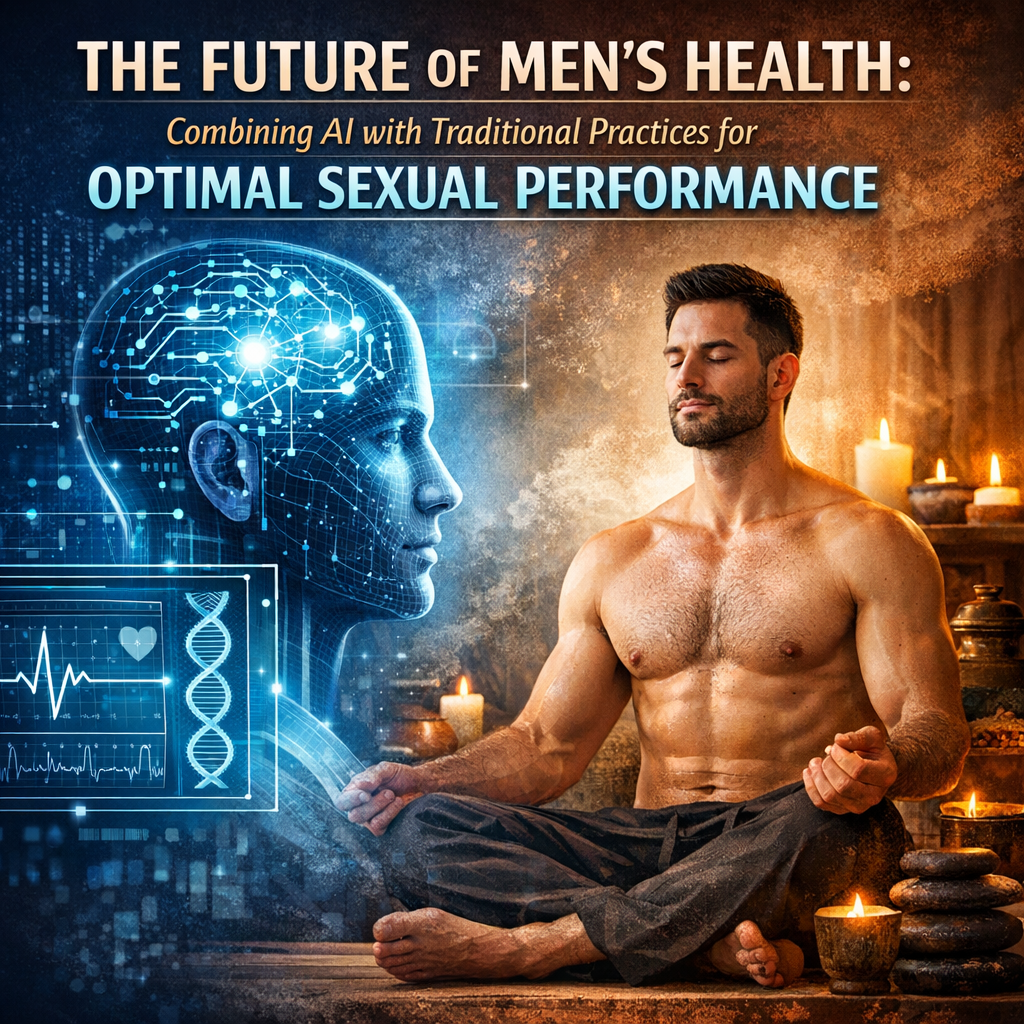
In an age where technology intersects increasingly with health and wellness, **biohacking** emerges as a **provocative approach** for enhancing **male vitality**. Biohacking refers to the strategic use of science, technology, and lifestyle changes to upgrade the body’s potential, optimize performance, and extend longevity. While the concept might sound like something from a science fiction novel, it’s a burgeoning movement embraced by everyone from **Silicon Valley moguls** to health enthusiasts globally.
For men, biohacking represents an opportunity to address age-old concerns about vitality and performance using innovative and sometimes unconventional methods. From teens navigating their developmental years to those in their nineties seeking to maintain their youthfulness, biohacking offers **practical strategies** tailored to each phase of life.
Young men can turn to biohacking to enhance **cognitive performance** and physical resilience. As the brain develops until about the age of 25, incorporating **nootropics**, or “smart drugs,” as well as optimizing **sleep and nutrition**, can significantly impact focus, memory, and mental clarity. Meanwhile, men in their middle ages are turning to biohacking to counteract the natural decline in **testosterone levels** that typically begins around age 30. Techniques such as **intermittent fasting**, high-intensity interval training (HIIT), and the use of specific supplements can naturally enhance testosterone levels, energy, and libido.
For older adults, biohacking focuses on longevity and maintaining an active lifestyle. Strategies such as **cold therapy**, mitochondrial-boosting supplements like **CoQ10**, and regular physical activity can enhance cellular health, reduce inflammation, and keep age-related diseases at bay. Interestingly, **fasting mimicking diets** and caloric restriction have shown promise in extending lifespan and improving quality of life.
As these unconventional strategies continue to garner attention, it becomes crucial to base them on scientific research and personalized assessments. Biohacking is not a one-size-fits-all solution; rather, it is about discovering what works best for the individual. Personalized data, such as **genetic profiles** and **biomarkers**, can guide one’s biohacking journey towards optimized health outcomes.
Features
A substantial body of research supports various biohacking strategies aimed at enhancing male vitality. One of the most researched areas is the use of **intermittent fasting (IF)** to boost metabolic health and testosterone levels. A study published in [*Clinical Interventions in Aging*](https://www.ncbi.nlm.nih.gov/pmc/articles/PMC4257368/) demonstrated that IF not only aids in **weight management** but also has positive effects on serum testosterone levels in men, which bolsters physical and sexual health.
Further, the impact of physical exercise, particularly HIIT, is well-documented in sports science literature. HIIT has been shown to improve **cardiovascular health**, increase **growth hormone secretion**, and enhance overall **metabolic flexibility**. According to research in the [*Journal of Obesity*](https://www.ncbi.nlm.nih.gov/pmc/articles/PMC2991639/), consistent HIIT routines can significantly reduce body fat and augment testosterone production, which are pivotal for male vitality.
**Nootropics**, substances that can enhance cognitive function, are also gaining popularity among biohackers. Studies from the [*Journal of Psychopharmacology*](https://journals.sagepub.com/doi/10.1177/026988111056740) confirm that certain nootropics, like **L-theanine** found in green tea, can improve mental clarity and focus, making them a handy tool for men seeking cognitive enhancement without the jitters associated with caffeine.
**Cold therapy**, meanwhile, is attracting attention for its purported benefits on recovery, metabolism, and mood. A study in [*PLOS ONE*](https://journals.plos.org/plosone/article?id=10.1371/journal.pone.0202331) highlighted how cold exposure can boost **norepinephrine**, a hormone linked to improved mood and decreased inflammation, thus offering potential therapeutic benefits for aging men.
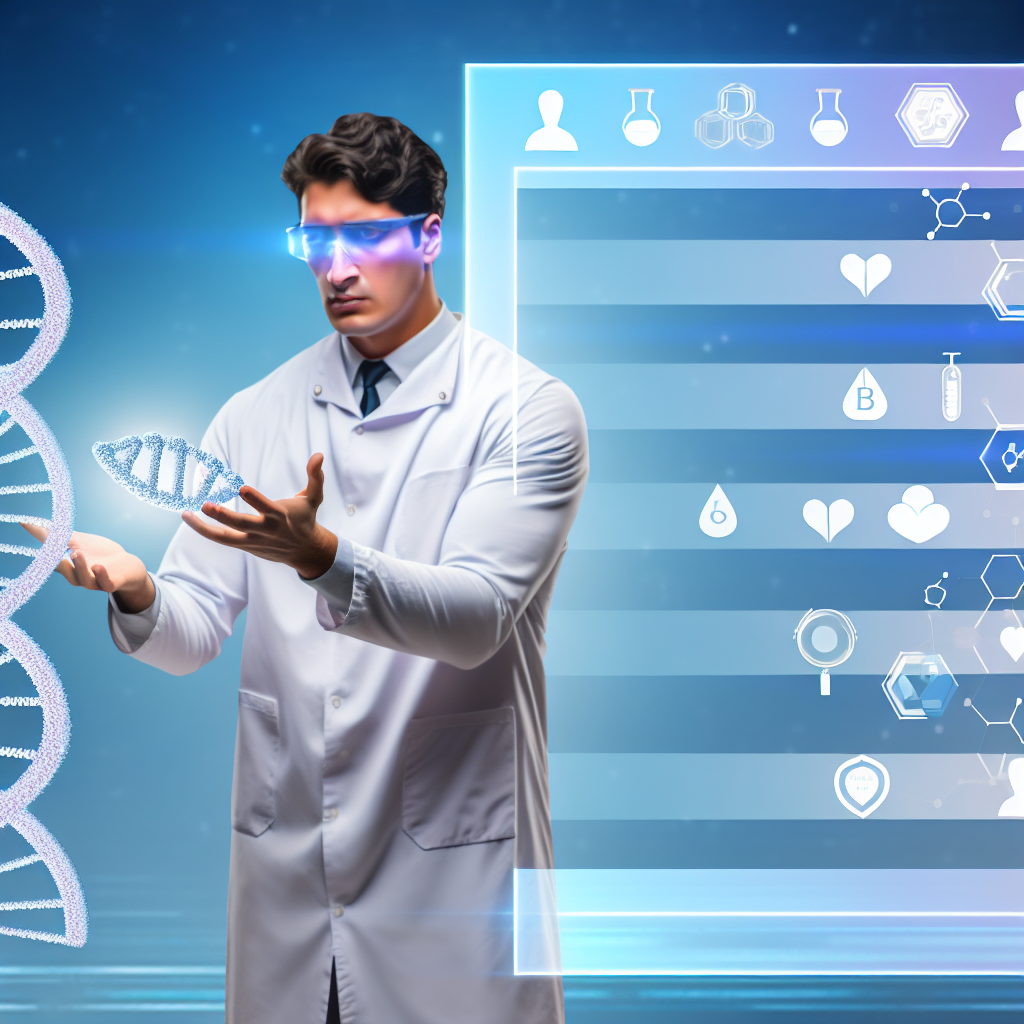
Finally, genetic and epigenetic research plays a crucial role in personalizing biohacking strategies. Companies are now offering **DNA-testing kits** and biometric monitors to provide insights into personal health data, enabling individuals to tailor interventions like diet, exercise, and supplementation according to their unique genetic makeup.
Conclusion
Biohacking is an exciting frontier for enhancing male vitality across the lifespan. It represents a blend of time-honored wisdom and cutting-edge science, providing a customizable toolkit for those eager to enhance their performance and longevity. As with any health strategy, it is essential to critically evaluate the science behind biohacking techniques and to consult with healthcare professionals before undertaking significant lifestyle changes. A personalized approach, grounded in research and individual needs, can illuminate the path to lifelong performance and vitality, ensuring that men from adolescence into the nineties lead active, fulfilling lives. With scientific advancements continuing to develop, the potential of biohacking to redefine vitality is vast and inspiring.
**Concise Summary:**
Biohacking leverages science, technology, and lifestyle changes to enhance male vitality at every age. It addresses cognitive performance in young men, tackles testosterone decline in middle age using strategies like intermittent fasting and HIIT, and promotes longevity in older adults with techniques like cold therapy. Personalized biohacking, informed by genetic and biometric data, optimizes individual health outcomes. Notable methods include using nootropics for cognitive enhancement and embracing scientific-backed interventions like fasting and exercise improvements. While exciting, these approaches require scientific validation and professional guidance to ensure safe and effective implementation.

Dominic E. is a passionate filmmaker navigating the exciting intersection of art and science. By day, he delves into the complexities of the human body as a full-time medical writer, meticulously translating intricate medical concepts into accessible and engaging narratives. By night, he explores the boundless realm of cinematic storytelling, crafting narratives that evoke emotion and challenge perspectives. Film Student and Full-time Medical Writer for ContentVendor.com