Why Half of Men with “Low Testosterone” Actually Have a Brain-Gut-Heart Problem And Not Low T
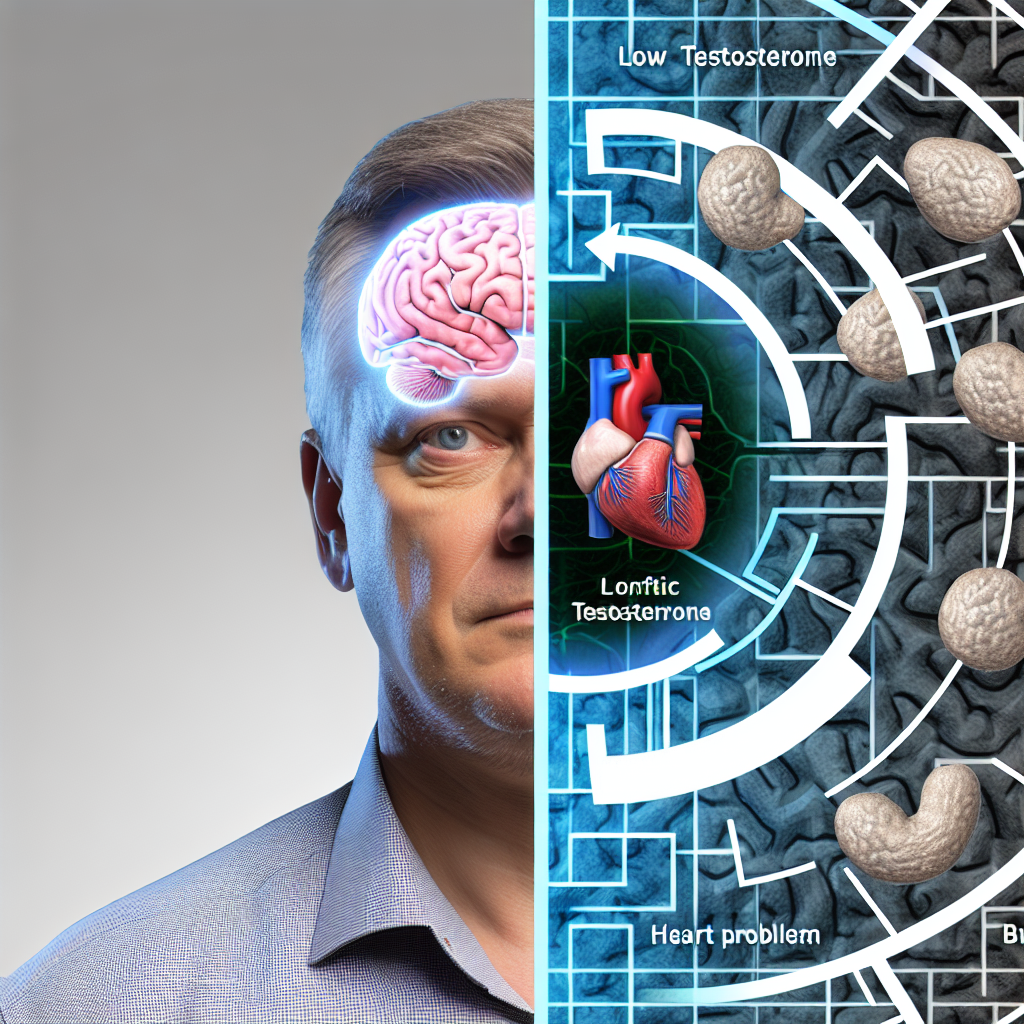
In recent years, an increasing number of men have been diagnosed with **low testosterone**, a condition colloquially known as “Low T.” Many attribute symptoms such as fatigue, muscle weakness, and a decrease in libido to declining testosterone levels. However, emerging research suggests that for nearly half of these men, the symptoms may not be rooted in hormonal deficiency but rather in a more complex interplay between the **brain, gut**, and **heart**. Understanding this triad and its implications for men’s health could revolutionize how we approach diagnosing and treating these symptoms.
Testosterone, the principal **male sex hormone**, plays a critical role in various bodily functions. While its decline is a natural part of aging, lifestyle factors, stress, and diet can exacerbate the reduction, leading to a host of undesirable symptoms. Traditionally, **testosterone replacement therapies (TRTs)** have been the go-to solution. Yet, recent scientific findings urge caution and introspection before chalking all symptoms up to solely low testosterone levels.
The human body is an intricate network where systems such as the brain, gut, and heart communicate constantly. The gut, often called the “second brain”, is home to trillions of bacteria that produce neurotransmitters affecting mood and cognition. A malfunctioning gut can lead to a myriad of problems, including inflammation and stress, impacting heart health. The autonomic nervous system further facilitates communication between these organs, suggesting that imbalances in these systems could explain symptoms often mistaken for low testosterone.
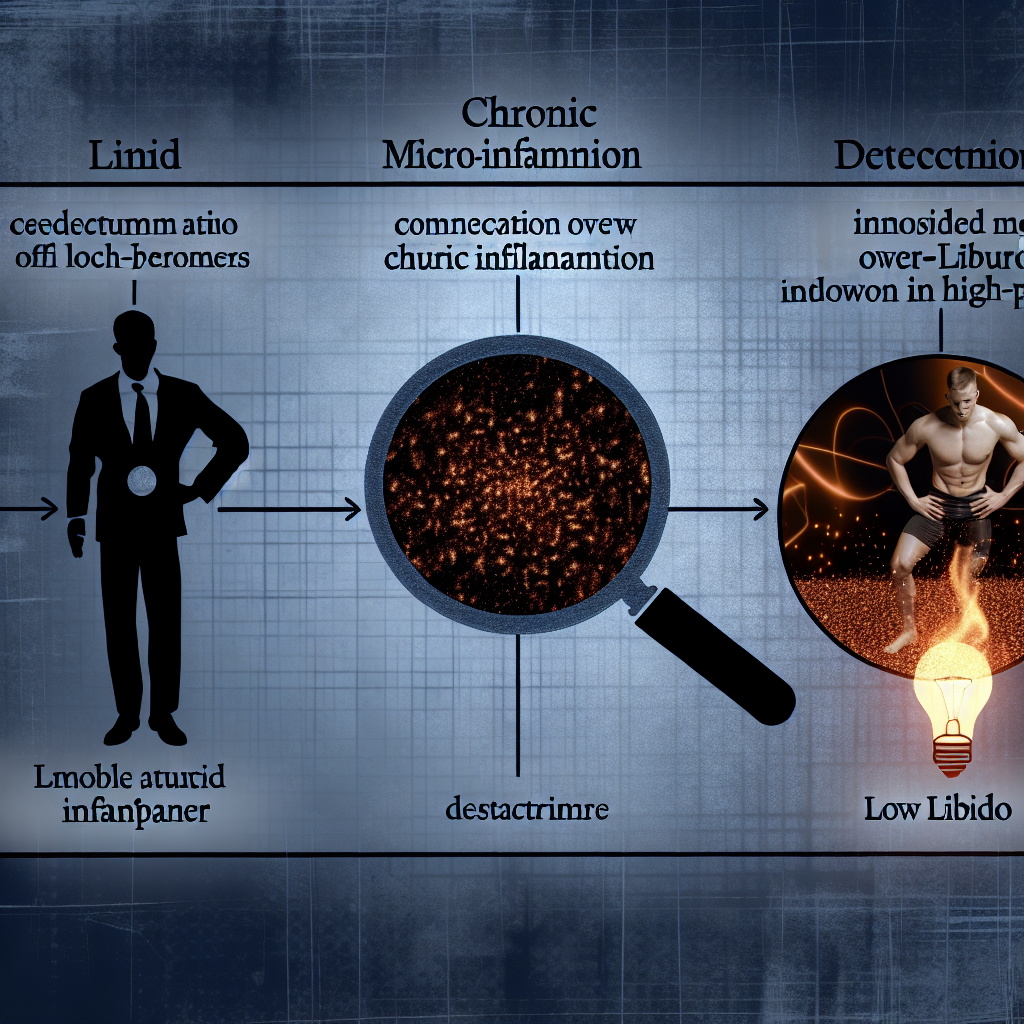
A sedentary lifestyle, poor diet, and chronic stress can create a vicious cycle impacting these three crucial systems. When the gut is compromised, it can lead to **dysbiosis**—a microbial imbalance that triggers inflammation throughout the body. This inflammation can extend to the blood-brain barrier, causing neural communication issues that manifest as mood and cognitive symptoms often wrongly attributed to low hormone levels. Concurrently, systemic inflammation stresses the cardiovascular system, leading to poor blood flow, which further exacerbates the feeling of fatigue and lethargy.
Emerging evidence highlights the need to assess symptoms within this broader context. Many men suffering from what they believe is low testosterone might benefit more from lifestyle modifications that involve improving gut health, reducing stress, and addressing cardiovascular risks. This holistic approach may help in managing or even eliminating symptoms that were previously considered hormonal.
Features
Scientific studies offer significant insights into the connection between the **brain, gut, and heart**—connections that may have profound implications for men with symptoms of low testosterone. One such study published in the journal [**Psychotherapy and Psychosomatics**](https://www.karger.com/Journal/Home/223864) explored how chronic stress and serotonin levels, a neurotransmitter largely produced in the gut, affect testosterone levels. The study found that emotional stress diminishes **gut health**, affecting serotonin production and, consequently, overall mental health.
Another pivotal study, published in [**Nature Reviews Gastroenterology & Hepatology**](https://www.nature.com/nrgastro/), examined how **gut microbiota composition** significantly influences systemic inflammation, a major risk factor for **heart disease** and an indirect contributor to hormonal imbalances. Chronic inflammation affects the hypothalamus-pituitary-adrenal (HPA) axis, impairing hormone regulation and thereby creating symptoms typically associated with low testosterone.
Furthermore, research featured in [**The American Journal of Medicine**](https://www.amjmed.com/) underscores the importance of cardiovascular function in testosterone-related symptoms. This study emphasizes that vascular health directly impacts testosterone bioavailability and distribution, suggesting that cardiovascular care should be integral to managing symptoms attributed to low testosterone.
Collectively, these findings highlight the need to look beyond testosterone when addressing related symptoms. They underscore the importance of supporting gut health, managing stress, and monitoring cardiovascular health as a more comprehensive and potentially effective approach to managing symptoms mistakenly ascribed to low testosterone levels.
Conclusion
As our understanding of human physiology evolves, so should our approach to diagnosing and treating men’s health issues. The notion that half of the men diagnosed with low testosterone might actually be facing a **brain-gut-heart problem** underscores the need for a holistic view. Before resorting to testosterone replacement therapy, men experiencing symptoms associated with low testosterone should consider evaluating their lifestyle, stress levels, diet, and cardiovascular health. This broader perspective not only addresses root causes but also opens doors to more effective and sustainable health strategies.
By shifting focus from a narrow hormonal lens to a more systemic approach, we can better promote long-term health and well-being for men of all ages. Integrating these practices into one’s lifestyle can help address the underlying issues at play, offering relief and improved quality of life.
**Concise Summary:**
Emerging research suggests that nearly half of men diagnosed with “low testosterone” may actually suffer from a complex brain-gut-heart interaction rather than hormone deficiency. This highlights the need for a holistic approach addressing lifestyle, stress, gut health, and cardiovascular factors. Studies support evaluating these aspects to manage symptoms attributed to low testosterone effectively. Adopting lifestyle modifications could provide a more sustainable solution to alleviate symptoms often misattributed solely to hormonal imbalances.

Dominic E. is a passionate filmmaker navigating the exciting intersection of art and science. By day, he delves into the complexities of the human body as a full-time medical writer, meticulously translating intricate medical concepts into accessible and engaging narratives. By night, he explores the boundless realm of cinematic storytelling, crafting narratives that evoke emotion and challenge perspectives. Film Student and Full-time Medical Writer for ContentVendor.com