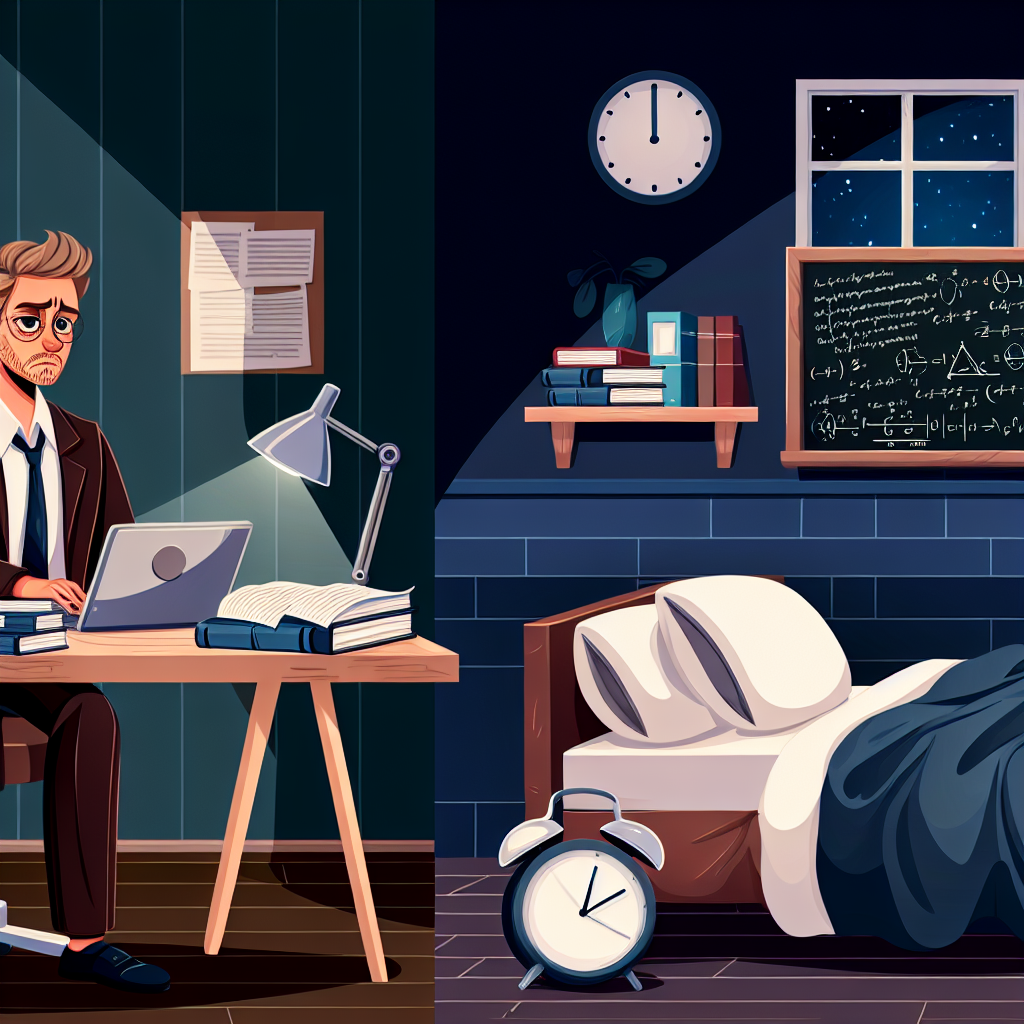
The Real Reason High-Achieving Men Burn Out in Bed (And What Top Sleep Scientists Miss)
Introduction
**Burnout** is often linked to work, especially among **high-achieving men** who strive for success. However, this relentless pursuit also affects personal aspects, such as intimacy and sexual wellness. Many men do not recognize how the pursuit of achievement can lead to fatigue, reduced libido, and other sexual health issues. The connection between professional success and personal well-being is profound but often overlooked by **sleep scientists** and sexologists. They typically miss the **psychological triggers** contributing to bed burnout. Despite extensive research on **sleep deprivation’s** impact on cognitive abilities, insufficient focus has been directed towards understanding how it disrupts sexuality and relationships, especially for ambitious men. Sleep deprivation, stress-induced hormonal imbalances, and neglect of self-care are just a few causes of **sexual burnout**. **Testosterone levels**, crucial for male sexual health, may decline due to chronic stress and lack of sleep, increasing the risk of burnout. The emphasis on perpetual achievement leaves little room for relaxation, affecting mental health and **intimate relationships**. As successful individuals devote their efforts to their careers, they often neglect the self-care practices that sustain sexual wellness. Recognizing the signs of burnout is vital for rekindling one’s relationship with a partner and oneself. By exploring professional and medical studies, we uncover insights to assist **high-achieving men** in reclaiming their vitality and success both at work and personally.
Features
Analyzing studies on burnout’s relationship with men’s sexual health is essential for understanding the issue. A study in the **Journal of Sexual Medicine** reveals a strong correlation between stress levels and sexual dysfunction, highlighting how chronic stress elevates **cortisol** levels, negatively impacting testosterone production. Low testosterone levels can lead to decreased libido and other performance issues. According to the **National Institutes of Health**, sleep deprivation aggravates stress, impairing physiological and mental states. Insufficient **REM sleep** affects cognitive function, immunity, and hormone production, including testosterone synthesis, reducing this crucial hormone’s level.
Fascinatingly, the relentless quest for success can become an addiction, as detailed in an article from **Psychology Today** on “**Achievement Addiction**.” This addiction keeps the sympathetic nervous system in constant overdrive, maintaining a “fight or flight” mode, hindering relaxation and intimacy necessary for healthy sexual relationships. Furthermore, a study from **Harvard Health** emphasizes the psychological dimension: self-imposed pressure to perform highly fosters anxiety, suppressing sexual function. This anxiety manifests in the bedroom, resulting in a cycle of dissatisfaction and performance issues.
Breaking free from this cycle demands more than focusing solely on sleep. It requires a comprehensive approach that includes stress management, self-care routines, and possibly therapy to realign priorities. Adopting the mindset that achievement shouldn’t come at the expense of personal well-being is transformative and liberating for men, freeing them from the confines of burnout.
Conclusion
**Burnout in bed** is a multifaceted issue intertwined with the mindset and lifestyle of **high-achieving men**. The drive for success creates barriers to intimacy and sexual wellness, forming a paradox where achievement becomes a hindrance to personal fulfillment. **Sleep scientists** often overlook lifestyle factors and mindsets, focusing solely on sleep. Addressing the root causes of stress and burnout requires more than adjusting sleep patterns. Committing to self-care, incorporating mindfulness, balancing professional goals, and holistic treatment can rejuvenate sexual health and well-being. Embracing that success in one area needn’t compromise another enables high-achieving men to excel in both professional and personal realms.
Journal of Sexual Medicine: The Effect of Stress on Sexual Function
National Institutes of Health: Sleep and Testosterone Production
Psychology Today: Achievement Addiction
Harvard Health: Stress and Sexual Dysfunction
**Concise Summary**
This article explores the overlooked issue of men experiencing burnout in bed due to high achievement pursuits. It elucidates how chronic stress and sleep deprivation affect testosterone levels, negatively impacting sexual health. Studies demonstrate the connection between stress, sleep deprivation, and sexual dysfunction, suggesting a holistic approach encompassing stress management and self-care can mitigate these issues, allowing high-achieving men to thrive both professionally and personally.

Dominic E. is a passionate filmmaker navigating the exciting intersection of art and science. By day, he delves into the complexities of the human body as a full-time medical writer, meticulously translating intricate medical concepts into accessible and engaging narratives. By night, he explores the boundless realm of cinematic storytelling, crafting narratives that evoke emotion and challenge perspectives. Film Student and Full-time Medical Writer for ContentVendor.com