Sexual Health After Heart Disease
Introduction
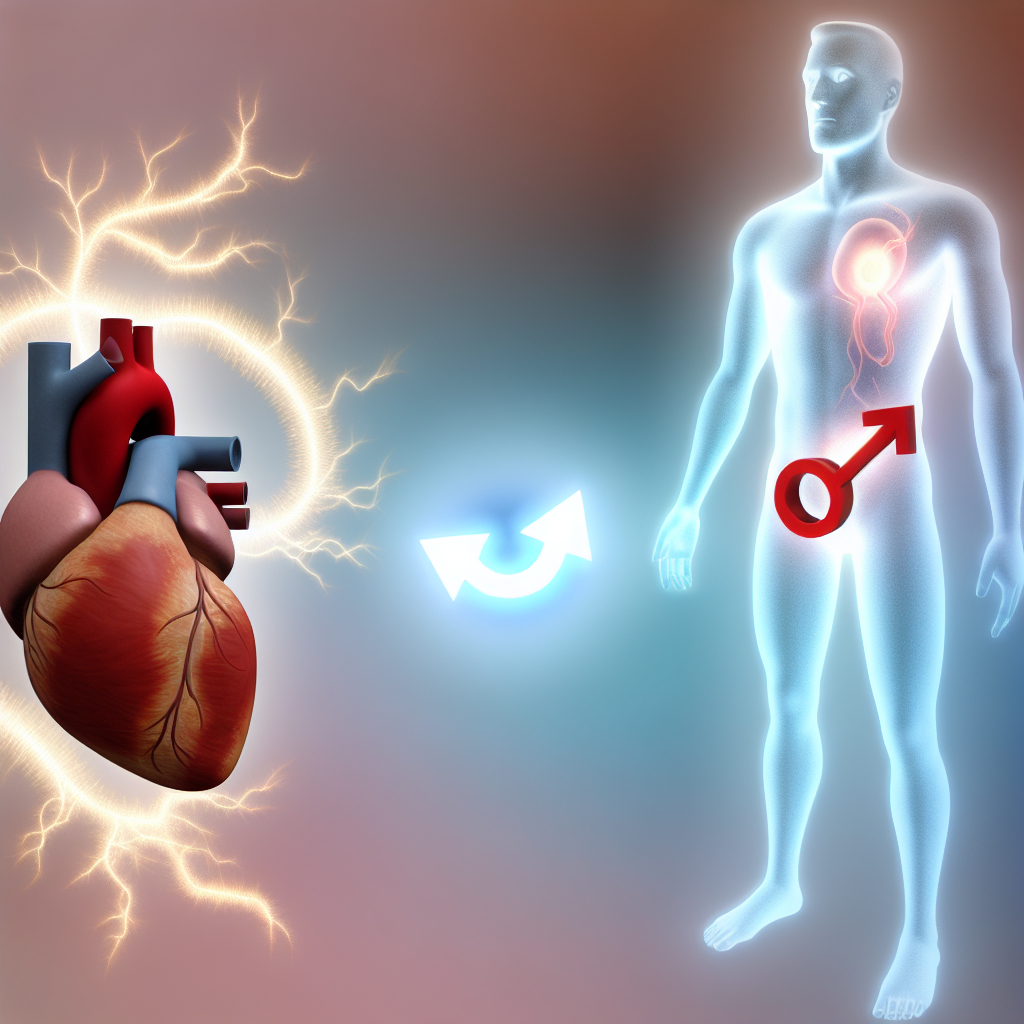
**Sexual health** is an integral part of overall **well-being**, irrespective of age or medical history. Yet, when **heart disease** enters the picture, many individuals find themselves grappling with concerns about their **sexual activity** and health. For men in the USA, understanding the relationship between heart disease and sexual health can seem daunting. Balancing the intricacies of heart health with maintaining a fulfilling sex life is a common and understandable concern.
**Heart disease**, which includes conditions like **coronary artery disease**, **arrhythmias**, and **heart failure**, is a leading health issue in the United States. According to the [Centers for Disease Control and Prevention](https://www.cdc.gov/heartdisease/facts.htm), it remains the number one cause of death among men. Those who have experienced a **heart attack** or have undergone **cardiac surgery** often ask about the safety and implications of returning to sexual activity.
It’s essential to normalize these discussions because sexual health contributes significantly to the quality of life. Many men worry that the stress and physical exertion of sexual activity might lead to another **cardiac event**. Furthermore, **heart medications** sometimes have side effects that affect sexual performance, compounding anxiety around the issue.
The good news is that with proper management and physician guidance, many men with heart disease can safely enjoy sexual activity. Understanding the physiological implications of heart disease and how it intersects with sexuality is key. This journey begins with open communication with healthcare providers who can tailor advice to individual needs. Additionally, lifestyle modifications, such as **heart-healthy eating** and regular exercise, can significantly improve both cardiovascular health and sexual function.
In this detailed exploration, we aim to demystify the complexities of sexual health after heart disease, providing insights from relevant medical studies and expert opinions to guide those affected on a path to reclaiming this crucial aspect of their lives.
Features
Over the years, multiple studies have investigated the relationship between heart disease and sexual function, offering valuable insights. A landmark study published in the “Journal of the American College of Cardiology” found that sexual activity is typically safe for most men with stable cardiovascular disease. Participants were evaluated on their cardiac response to sexual activity, and results suggested that the physical exertion involved in sexual activity is comparable to moderate physical activity, like brisk walking or climbing two flights of stairs.
Moreover, the American Heart Association’s [guidelines on sexual activity and cardiovascular disease](https://www.heart.org/-/media/files/health-topics/answers-by-heart/sex-and-your-heart-disease.pdf) underscore the importance of assessing individual risk. They recommend that men who have experienced major cardiovascular events such as heart attacks consult their healthcare providers before resuming sexual activity. It’s crucial to ensure that patients are part of a tailor-made cardiac rehabilitation program that gradually reintroduces regular physical activity, thereby helping them regain confidence and physical stamina.
One particularly compelling study in the “American Journal of Cardiology” illustrated how **erectile dysfunction** (ED) can be an early indicator of **coronary artery disease**. The vascular changes that cause ED typically precede heart conditions, providing yet another reason for individuals and healthcare providers to address sexual health proactively.
Additionally, a review in the “British Journal of Urology International” emphasizes the role of medications for heart disease that can impact sexual health. For instance, certain **beta-blockers** may contribute to ED, though alternatives that do not have this side effect are available. Open discussions with healthcare providers about such issues are essential for adjusting medication plans that support both heart and sexual health.
Ultimately, preemptive sexual counseling and holistic cardiac care have proven to be effective at alleviating the stress surrounding these topics. **Cognitive behavioral therapy**, when combined with medical intervention, has been shown in various studies to improve life satisfaction and relationship quality for heart patients dealing with sexual health issues.
Conclusion
Navigating sexual health after the onset of heart disease requires a nuanced approach that balances physical capabilities with emotional and psychological well-being. For men in the USA, knowing that sexual activity can be a safe and rewarding part of life after heart disease is empowering. The key lies in informed cooperation between patients and healthcare providers. Regular medical check-ups, adherence to prescribed treatment regimens, and participation in cardiac rehabilitation programs can significantly enhance quality of life.
It’s crucial to remember that sexual health is a journey, not a destination. As medical research continues to evolve, it provides new insights and solutions for individuals striving to maintain intimacy despite health challenges. By embracing a supportive, informed approach, men can regain control over their sexual health and ensure that heart disease does not define their quality of life. For further reading and support, consult resources like the [American Heart Association](https://www.heart.org/) and the Centers for Disease Control and Prevention.
**Concise Summary**
Sexual health remains vital for men with **heart disease**, despite common concerns about risks associated with sexual activity. Studies indicate that for men with stable cardiovascular conditions, sexual activity is often as safe as moderate physical activity. Communication with healthcare providers about cardiac rehabilitation and medication side effects is key. Moreover, understanding the link between **erectile dysfunction** and heart health can guide proactive management strategies. Effective integration of medical advice, lifestyle adjustments, and therapies can empower individuals to maintain a satisfying sexual life.

Dominic E. is a passionate filmmaker navigating the exciting intersection of art and science. By day, he delves into the complexities of the human body as a full-time medical writer, meticulously translating intricate medical concepts into accessible and engaging narratives. By night, he explores the boundless realm of cinematic storytelling, crafting narratives that evoke emotion and challenge perspectives. Film Student and Full-time Medical Writer for ContentVendor.com