Sexual Health for Senior Men – Complete Guide
Introduction
Sexual health is a central pillar of overall wellness, regardless of age. For many men across the United States—from teenagers just entering puberty to seniors in their 90s—understanding how sexual health evolves over the lifespan is essential. For senior men, in particular, sexual health has taken on renewed importance in recent years due to longer life expectancies, more open societal conversations about intimacy later in life, and the proliferation of medical innovations that support male sexual function and reproductive health.
Contrary to common misconceptions, aging does not automatically mean the end of a healthy sex life. While it’s true that age can bring physical and hormonal changes—like reduced testosterone, erectile difficulties, or changes in libido—many older men continue to lead satisfying sexual lives well into their 70s, 80s, and beyond. The key lies in proactively addressing age-related changes through lifestyle choices, medical consultation, and an open line of communication with partners.
Aging can also coincide with chronic illnesses, medications, and emotional shifts, all of which can impact sexual function. Conditions such as heart disease, diabetes, prostate issues, and depression are more prevalent in older adults and can have direct implications on sexual health. However, modern medicine offers numerous tools—from hormone replacement therapy to advanced treatment for erectile dysfunction (ED)—that are tailored to the unique needs of senior men.
Notably, maintaining sexual health into older age is about more than physical intimacy. It also means preserving emotional closeness, mental wellbeing, and self-confidence. Sexual wellness directly contributes to life satisfaction and has been linked to benefits such as reduced stress, improved heart health, and even increased longevity.
This comprehensive guide on sexual health for senior men explores practical, evidence-based strategies to preserve and enhance intimacy, manage the physical and psychological effects of aging, and empower older men to take charge of their sexual health at every stage of life.
Features and Medical Insights
Understanding the physiological, psychological, and emotional changes associated with aging is fundamental to maintaining robust sexual health.
Clinically, testosterone levels in men typically start to decline after the age of 30, at a rate of about 1% per year. By their 70s or 80s, men often have significantly lower levels, leading to low libido, reduced muscle mass, fatigue, and erectile dysfunction. [Mayo Clinic](https://www.mayoclinic.org/healthy-lifestyle/sexual-health/in-depth/testosterone-therapy/art-20045728)
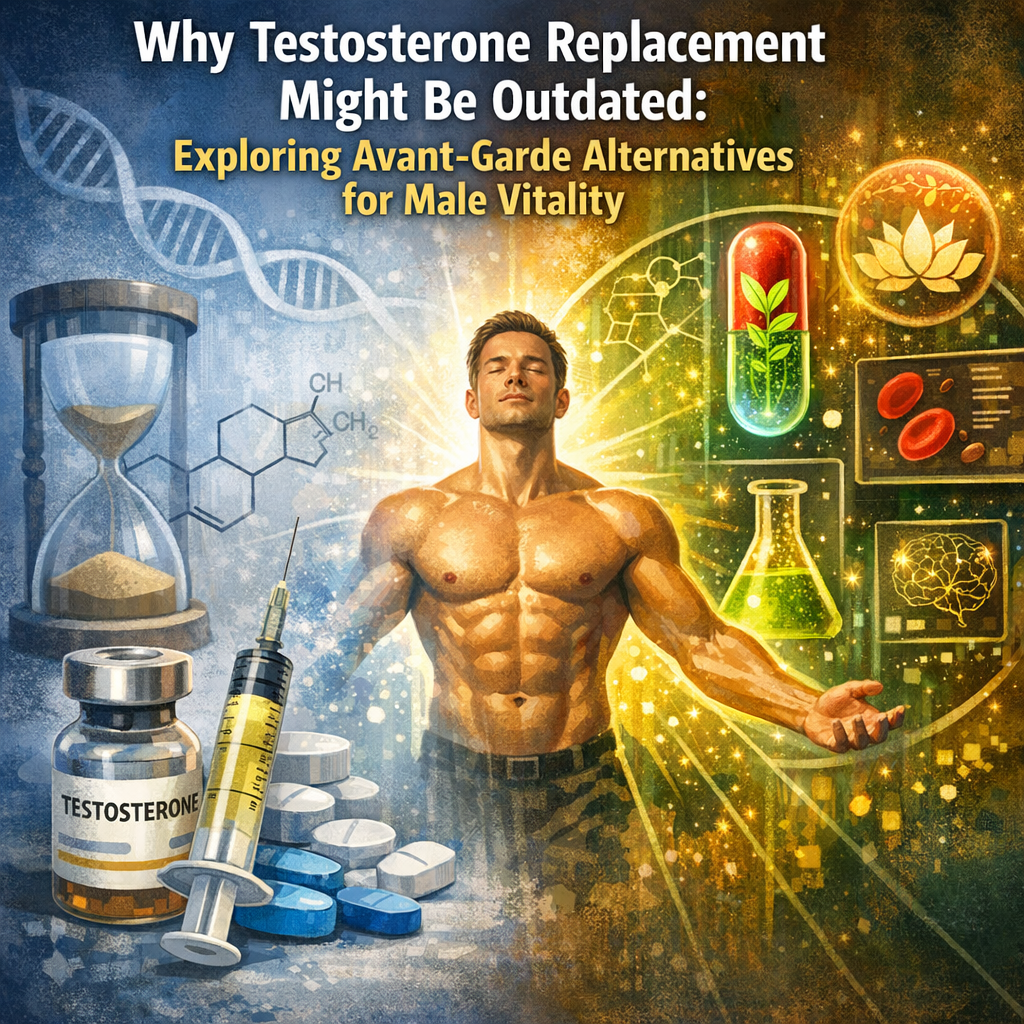
Innovations in hormone replacement therapy (HRT) have helped address testosterone deficiency in older men. Findings from The Testosterone Trials showed that testosterone supplementation led to modest improvements in sexual activity, erectile function, and overall mood in older men who had lower testosterone levels to begin with.
Erectile Dysfunction (ED) impacts a large proportion of aging men—affecting 40% by age 40 and up to 70% by age 70. According to the Cleveland Clinic, while ED may naturally come with aging, it is also a potential warning sign for more serious issues such as cardiovascular disease or diabetes.
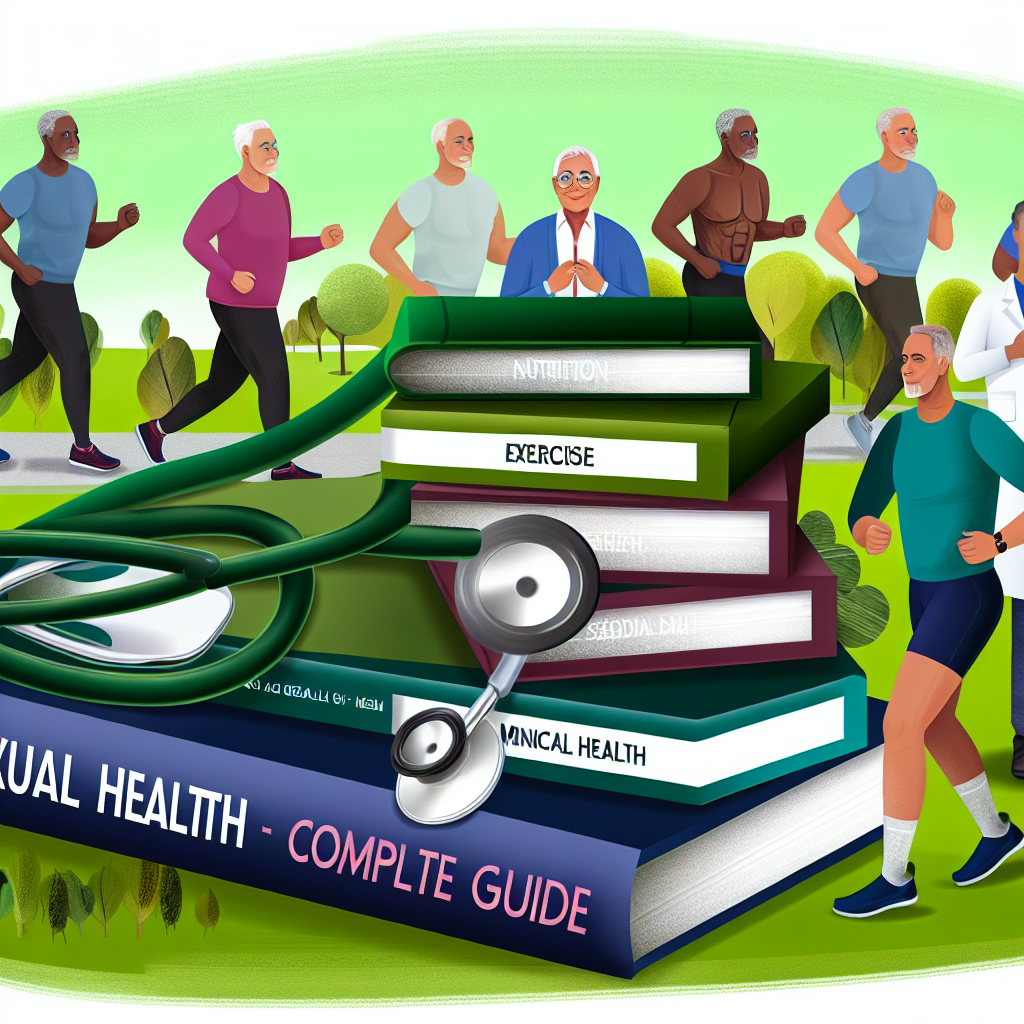
One notable study, the Massachusetts Male Aging Study (MMAS), discovered that erectile difficulties can precede cardiac events by 3 to 5 years. This means that improving heart health—through exercise, weight management, smoking cessation, and managing cholesterol—can significantly benefit both heart and sexual performance.
Many seniors take multiple prescription medications, which may have side effects related to sexual function. Medications like antidepressants, beta-blockers, and diuretics can interfere with libido and performance. Consulting your healthcare provider about adjusting dosages or switching to alternatives can help restore sexual health without compromising treatment.
On a psychological level, as sexual desire gradually decreases, the importance of intimacy and emotional bonding becomes more prominent. Research published in the Archives of Sexual Behavior reported that older adults who remained sexually active enjoyed higher quality-of-life indicators, happier relationships, and lower depression scores.
Addressing the risk of sexually transmitted infections (STIs) is also essential. Surprisingly, STI rates among people over 60 are rising, due to changing sexual habits and misconceptions about risk. The CDC stresses the continued importance of using condoms, getting regular STI screenings, and practicing safe sex even in senior years.
Treatment options continue to expand. Popular medications like Viagra (sildenafil) and Cialis (tadalafil) are used to improve erectile function. For those who don’t respond to oral therapies, advanced solutions such as penile implants, vacuum erection devices, or intracavernosal injections offer viable alternatives.
Open dialogue is pivotal. Older adults often shy away from addressing sexual problems due to shame or societal taboos. Yet, honest discussions with healthcare providers and sexual partners can pave the way toward customized and effective solutions for a fulfilling sex life.
Conclusion
Sexual health is a vital part of overall wellness and doesn’t stop being important with age. Thanks to the evolution of medical technology, changing social attitudes, and increased awareness, older men have more tools than ever before to remain sexually active and satisfied.
Taking a proactive approach—through regular health screenings, maintaining healthy habits, nurturing emotional wellbeing, and having open, honest conversations—ensures that intimacy continues to provide joy and vitality well into later life.
There’s no universal solution, but the science and support systems available today make healthy sexual aging not only possible but profoundly rewarding. Whether you’re addressing chronic conditions, exploring testosterone therapy, or deepening the emotional bond with your partner, senior men have every reason to stay optimistic and confident about their sexual future.
Concise Summary
Sexual health remains an essential part of life for senior men. Physical changes like declining testosterone and erectile dysfunction are natural but manageable. Medical therapies—such as testosterone replacement and ED medications—along with lifestyle changes and emotional well-being play a critical role. Safe sex practices remain crucial, even for older adults. Communicating openly with partners and doctors empowers men to maintain a fulfilling sex life. With proactive care, senior men can preserve intimacy, health, and happiness well into advanced age.
References
1. Mayo Clinic – Testosterone Therapy
2. Testosterone Trials – New England Journal of Medicine
3. Cleveland Clinic – Erectile Dysfunction
4. Harvard Health Publishing – Aging and Sex
5. CDC – STD Surveillance 2021
6. Archives of Sexual Behavior – Sexual Activity & Psychological Health
7. Massachusetts Male Aging Study (MMAS)

Dominic E. is a passionate filmmaker navigating the exciting intersection of art and science. By day, he delves into the complexities of the human body as a full-time medical writer, meticulously translating intricate medical concepts into accessible and engaging narratives. By night, he explores the boundless realm of cinematic storytelling, crafting narratives that evoke emotion and challenge perspectives. Film Student and Full-time Medical Writer for ContentVendor.com