Prostate Inflammation – Natural Treatments
Introduction
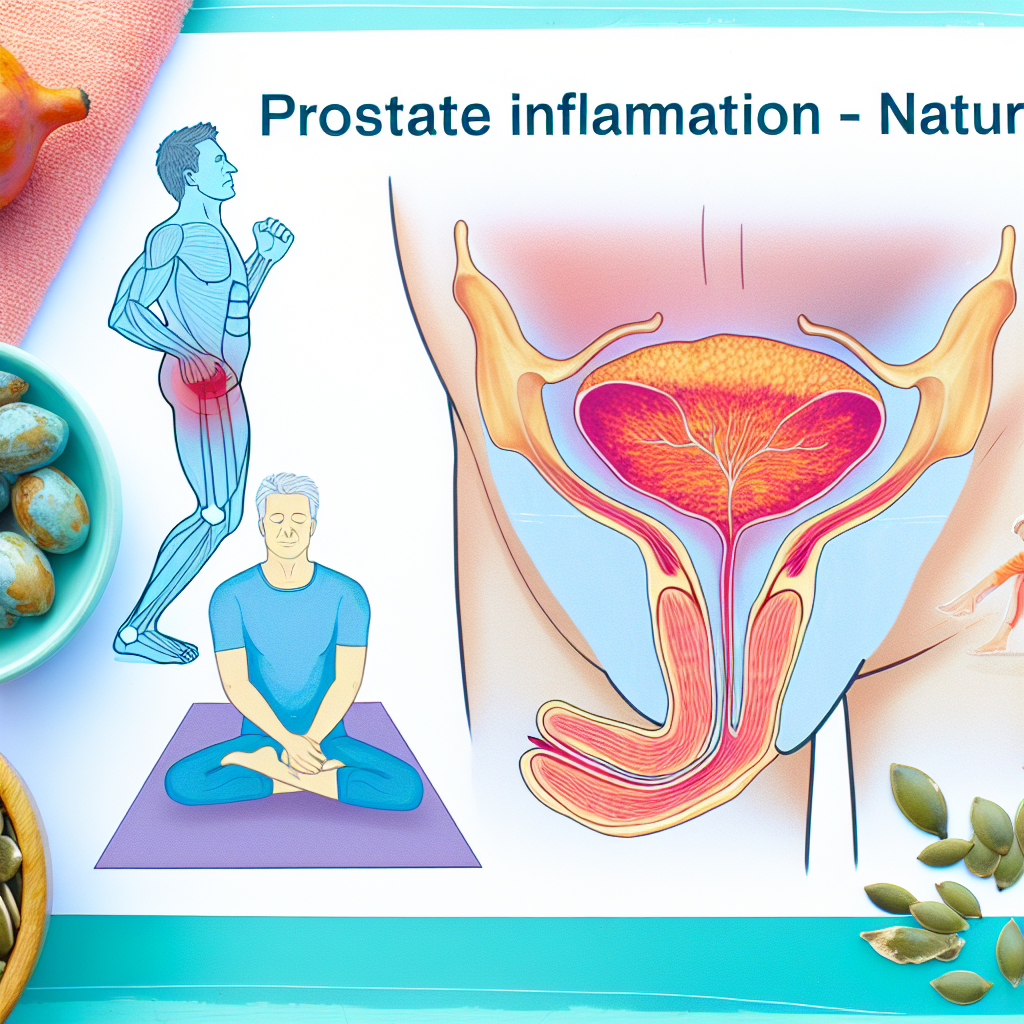
Prostate inflammation, medically known as prostatitis, is a common condition affecting men, particularly between the ages of 20 and 50. The prostate is a small gland that helps produce seminal fluid, and when inflamed, it can cause painful or frequent urination, pelvic discomfort, and sexual dysfunction.
There are four recognized types of prostatitis: acute bacterial, chronic bacterial, chronic pelvic pain syndrome (CPPS), and asymptomatic inflammatory prostatitis. Of these, CPPS accounts for 90-95% of cases and is often non-infectious, making it difficult to treat with standard medical approaches. As a result, many men turn to natural treatments for prostatitis that aim to reduce inflammation and improve quality of life.
These natural strategies—ranging from dietary choices and herbal remedies to exercise and stress management—offer a holistic path to men’s health. They often emphasize sustainable, long-term improvements rather than short-term symptom masking. In this article, we highlight effective natural therapies supported by scientific research and discuss important lifestyle changes that support a healthy prostate.
Medical Studies and Evidence-Based Natural Treatments
When considering natural remedies for prostate inflammation, evidence-based treatments are essential for both safety and efficacy. While medications like antibiotics and alpha-blockers may be necessary for bacterial prostatitis, they are often ineffective for CPPS. Fortunately, scientific studies now support various natural agents and lifestyle interventions.
Saw Palmetto (Serenoa repens) is one of the most researched herbs for prostate health. Traditionally used to manage benign prostatic hyperplasia (BPH), saw palmetto has shown promise in reducing prostate inflammation. A review in the Cochrane Database of Systematic Reviews reports that saw palmetto extract improved urinary function and reduced inflammation in men with prostate symptoms ([source](https://www.cochranelibrary.com/cdsr/doi/10.1002/14651858.CD001423.pub3/full)).
Another powerful natural compound is quercetin, a flavonoid with potent anti-inflammatory and antihistamine properties. A study by the University of Maryland School of Medicine found that taking 500 mg of quercetin twice daily significantly reduced pain, urination issues, and overall symptoms in men with CPPS ([source](https://pubmed.ncbi.nlm.nih.gov/10851365/)).
Pollen extracts, especially Cernilton (made from rye grass pollen), have also been shown to be beneficial. Cernilton has been used in Europe for decades and is supported by trials indicating symptom improvement in 70–90% of men with CP/CPPS. A randomized trial published in The Prostate found that men taking Cernilton experienced significant relief from pain, improved urination, and enhanced overall quality of life ([source](https://pubmed.ncbi.nlm.nih.gov/9345444/)).
Omega-3 fatty acids, known for their strong anti-inflammatory benefits, contribute not only to prostate health but also support cardiovascular and hormonal function. Found in fish oil and flaxseed oil, omega-3s can reduce systemic inflammation, helping relieve chronic pelvic pain and promoting overall male wellness ([source](https://www.ncbi.nlm.nih.gov/pmc/articles/PMC4486201/)).
Probiotics are another promising avenue for natural relief. By supporting a balanced gut microbiome, probiotics can enhance immune function and potentially reduce inflammation in the prostate. A study featured in the World Journal of Urology demonstrated improvements in urinary symptoms and inflammation among men taking probiotics with Lactobacillus strains ([source](https://pubmed.ncbi.nlm.nih.gov/21140189/)).
In addition to supplements, physical and lifestyle practices offer significant relief. Pelvic floor physical therapy can alleviate tension in the muscles around the prostate, while regular aerobic exercise (such as swimming, biking, or brisk walking) boosts circulation and reduces inflammation. Mind-body practices like meditation, mindfulness, and yoga are also essential for managing the stress that often exacerbates chronic pain.
Conclusion
Managing prostate inflammation naturally is not only effective—it may offer lasting benefits, especially for men who suffer from chronic pelvic pain or are looking to avoid long-term pharmaceutical use. A comprehensive natural approach can include anti-inflammatory supplements, herbal remedies, probiotics, healthy nutrition, regular exercise, and stress management practices.
By addressing the root causes of inflammation—whether dietary, hormonal, microbial, or neurological—men can proactively take control of prostate health. These therapies encourage the body’s natural healing mechanisms and can complement conventional medical care.
Taking charge of your health by adopting these natural strategies can significantly improve your quality of life, reduce dependence on medications, and support long-term well-being. Always partner with a healthcare provider to tailor a plan that suits your individual condition and overall health profile.
Concise Summary
Prostate inflammation, commonly known as prostatitis, affects many men, especially those aged 20–50. While bacterial prostatitis responds to antibiotics, the more common chronic pelvic pain syndrome (CPPS) often requires alternative approaches. Supported by research, natural treatments such as saw palmetto, quercetin, pollen extract, omega-3 fatty acids, and probiotics have shown significant benefits. Physical therapy, exercise, and stress-reduction techniques further support healing. These holistic strategies help men improve prostate health, reduce symptoms naturally, and promote overall wellness for long-term vitality.
References
1. Cochrane Database – Saw Palmetto for Benign Prostatic Symptoms:
https://www.cochranelibrary.com/cdsr/doi/10.1002/14651858.CD001423.pub3/full
2. University of Maryland – Quercetin in Chronic Prostatitis:
https://pubmed.ncbi.nlm.nih.gov/10851365/
3. The Prostate – Pollen Extract (Cernilton) Treatment:
https://pubmed.ncbi.nlm.nih.gov/9345444/
4. NIH – Omega-3 Fatty Acids and Inflammation:
https://www.ncbi.nlm.nih.gov/pmc/articles/PMC4486201/
5. World Journal of Urology – Probiotics and Urinary Health:
https://pubmed.ncbi.nlm.nih.gov/21140189/

Dominic E. is a passionate filmmaker navigating the exciting intersection of art and science. By day, he delves into the complexities of the human body as a full-time medical writer, meticulously translating intricate medical concepts into accessible and engaging narratives. By night, he explores the boundless realm of cinematic storytelling, crafting narratives that evoke emotion and challenge perspectives. Film Student and Full-time Medical Writer for ContentVendor.com