Male Sexual Peak – Optimization Strategies
Introduction
Sexual health is a vital component of male well-being, yet misconceptions about the male sexual peak persist across all age groups. Many believe men hit their peak in their late teens or early twenties due to high testosterone levels. While biologically plausible, sexual performance and satisfaction are shaped by more than hormone levels alone. Factors such as mental wellness, relationship health, physical fitness, nutrition, and modern medical advancements also play significant roles.
Each decade brings unique opportunities for optimizing male sexual health. In early adulthood, libido and physical readiness are high, but emotional and sexual maturity may still be developing. In the 30s and beyond, as biological changes such as lower testosterone or reduced stamina set in, men often gain a richer understanding of intimacy and techniques for satisfaction.
With tools like hormone replacement therapy (HRT), targeted exercise regimens, and dietary protocols, men can maintain or even enhance their sexual function over time. Today’s strategies emphasize personalized, age-specific interventions rather than a one-size-fits-all approach.
Modern men—from their 20s through their 90s—can support sexual vitality through better sleep, enhanced cardiovascular health, and emotional balance. Instead of viewing sexual peak as a teenage phase, a lifelong, quality-oriented approach makes it possible to experience peak function and fulfillment at any age.
Medical and Professional Research Insights
Modern research reshapes how we define a man’s sexual peak. Studies now focus on a multifactorial approach, considering physical, emotional, and relational factors, rather than just age or testosterone levels.
A pivotal study in the Journal of Clinical Endocrinology & Metabolism found that while testosterone starts to decline by about 1% each year after 30, sexual satisfaction can remain stable—or even rise—if emotional and relationship health is prioritized.
A 2020 report in the American Journal of Men’s Health emphasized the critical role of lifestyle factors. Men who engage in regular physical activity, maintain a balanced diet, sleep 7–8 hours a night, and avoid smoking reported better sexual performance than those who didn’t, regardless of hormonal changes.
Cardiovascular health, as stated by Harvard Medical School, is directly linked to erectile quality. Since erections depend on blood flow, aerobic activities like running, cycling, and swimming help reduce the risk of erectile dysfunction (ED). Strength training, too, supports testosterone and overall vitality.
Psychological and relational well-being play key roles. A 2021 meta-analysis in the Archives of Sexual Behavior showed that men over 40 who reported reduced stress, higher body confidence, and deep emotional partnerships experienced the greatest sexual satisfaction—even more than those with optimal testosterone levels.
For cases involving clinically low testosterone, Hormone Replacement Therapy may be appropriate. According to Endocrine Society Clinical Guidelines, HRT should be used only for those with diagnosed hypogonadism via lab testing. Under supervision, it can significantly boost libido, energy, and function.
Regarding supplements, ingredients such as L-arginine, ginseng, and zinc may assist mild dysfunction. Still, they present inconsistent results and should be used cautiously. Medications like sildenafil (Viagra) or tadalafil (Cialis) are gold-standard treatments for ED but perform best when accompanied by lifestyle changes.
Ultimately, male sexual peak is not a singular event but a combination of health metrics, habits, and professional guidance. With the right interventions, men can extend sexual vitality far beyond traditional expectations.
Conclusion
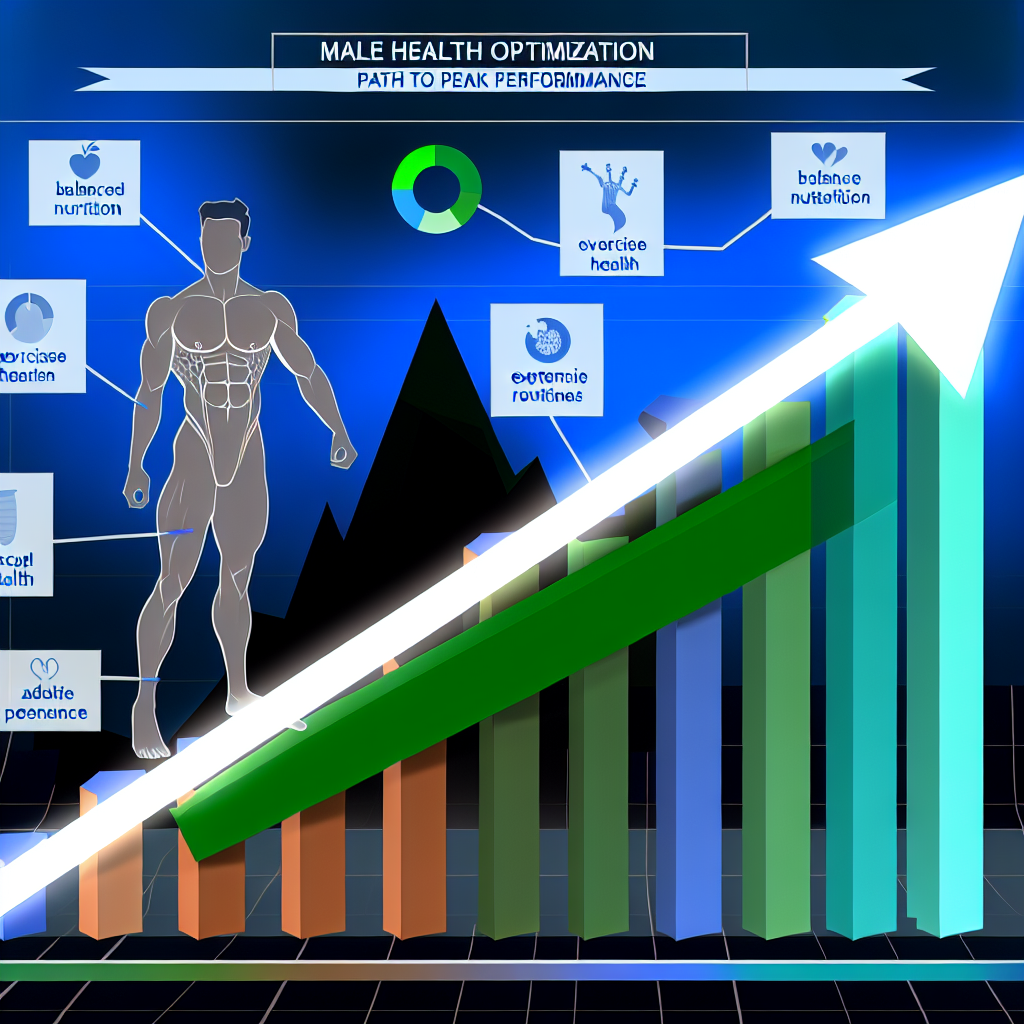
Instead of confining the male sexual peak to youth, today’s science shows that it can be prolonged and optimized well into later decades. From proper physical activity and good sleep to healthful nutrition and stress control, a myriad of strategies supports long-term sexual satisfaction.
Recognizing how deeply sexual health intersects with emotional intimacy, cardiovascular function, psychological stability, and hormone levels empowers men to build a sustainable, vibrant sexual identity throughout life. Whether a young man learning about his body or a senior maintaining romantic connection, an integrated, age-adapted plan ensures every stage of life offers a potential new peak.
Concise Summary
While it’s commonly believed that men experience their sexual peak in their 20s, current science shows that sexual satisfaction depends on much more than age or testosterone. Emotional intimacy, physical fitness, stress control, and cardiovascular health are key components. With tools like hormone therapy, sleep regulation, and lifestyle changes, men can maintain or enhance sexual health throughout life. The sexual peak is no longer seen as a youthful window but a lifelong journey, shaped by both medical advances and personal habits.
References
1. Harvard Health Publishing, Harvard Medical School (2023) – ED and Cardiovascular Disease
2. Wu, F.C., et al. – Journal of Clinical Endocrinology & Metabolism (2010)
3. Smith, L., & Jackson, S.E. – American Journal of Men’s Health (2020)
4. International Society for Sexual Medicine – Aging and Sexual Activity (2021)
5. Endocrine Society Clinical Guidelines – Testosterone Therapy in Men with Hypogonadism (2018)
6. Shea, J., et al. – Archives of Sexual Behavior (2021)

Dominic E. is a passionate filmmaker navigating the exciting intersection of art and science. By day, he delves into the complexities of the human body as a full-time medical writer, meticulously translating intricate medical concepts into accessible and engaging narratives. By night, he explores the boundless realm of cinematic storytelling, crafting narratives that evoke emotion and challenge perspectives. Film Student and Full-time Medical Writer for ContentVendor.com