Stress Impact on Male Sexual Performance
Introduction
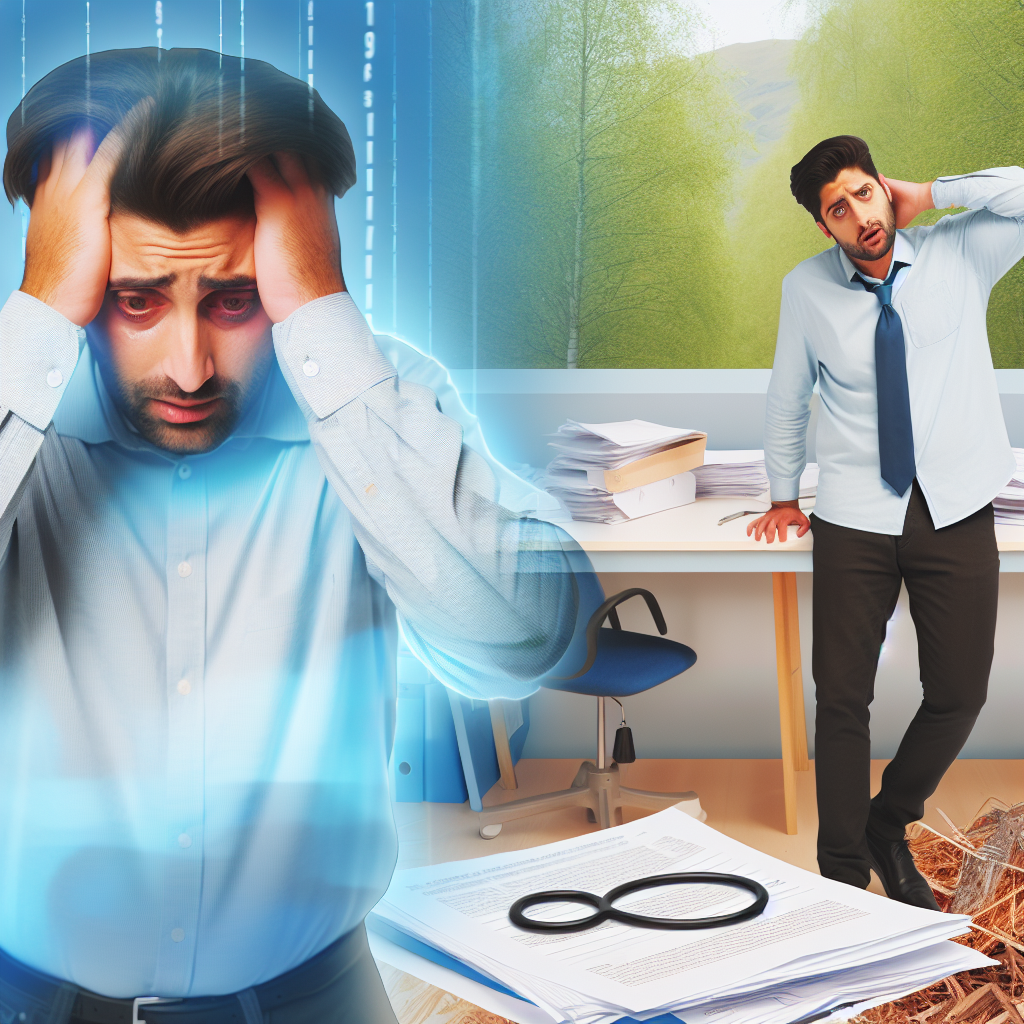
In today’s fast-paced world, stress has emerged as a silent threat to overall health—especially among men, affecting their physical, emotional, and particularly, sexual health. From adolescence to old age, men encounter stressors that can lead to a decline in sexual performance. Often misunderstood or ignored, stress is a major, yet reversible, cause of issues such as erectile dysfunction (ED), low libido, and premature ejaculation.
Rather than simply blaming aging or specific medical conditions, it’s essential to understand the deep psychological and physiological influences of stress. Stress can cause hormonal fluctuations, interfere with neurochemical balance, and result in vascular changes that impair sexual function. The psychological burden manifests as anxiety, fear of inadequacy, and self-doubt, feeding a vicious cycle of tension and underperformance.
Younger men often face stress related to body image, social pressures, and performance expectations. Meanwhile, older men wrestle with stress caused by career fatigue, financial burdens, and relational disconnect. Over time, this stress silently undermines testosterone levels, diminishes desire, and weakens erectile quality—further affecting self-esteem and personal relationships.
Society’s stigmatization of male vulnerability frequently prevents open dialogue about these experiences. Yet awareness is growing, and science increasingly supports the link between mental health and male sexual health. Change begins when men understand how stress affects their sexual well-being.
This article delves into the science behind the stress-sexual function connection, highlighting research findings and offering practical stress-reduction strategies and treatment options for restoring confidence and vitality.
Scientific Insights into Stress and Male Sexual Performance
Chronic stress is a multi-system disruptor that affects male sexual health through neurological, hormonal, and cardiovascular pathways. Scientific research confirms that psychological stress isn’t only emotional—it has measurable, biological effects.
A pivotal study from the Cleveland Clinic attributed up to 20% of all ED cases to psychological stress alone. Chronic stress causes the body’s cortisol levels to spike, and in turn, testosterone production decreases. Since testosterone is critical for sexual desire and erectile function, reduced levels lead to diminished libido and weak performance.
This hormonal disruption is profoundly illustrated in a detailed report by the journal Neurobiology of Stress. The study explained how prolonged stress suppresses the hypothalamic-pituitary-gonadal (HPG) axis, responsible for regulating sex hormones. Over time, this suppression can result in hypogonadism, or low testosterone, leading to lack of stamina, poor arousal, and delayed recovery.
Furthermore, the Journal of Sexual Medicine published a 2022 review linking workplace stress to reduced sexual satisfaction and erectile dysfunction in men aged 30–60. The study showed that even bringing occupational stress home had tangible impacts on men’s sexual health. Men under chronic work-related pressure experienced fatigue, burnout, and impaired intimacy.
Among younger men, psychological stress causes performance anxiety, which leads to premature ejaculation or ED not due to physical limitations, but psychological strain. A meta-analysis published in Behavioral Sciences explains how excessive expectations and fears of inadequacy undermine sexual outcomes, especially in socially anxious individuals.
Stress is also a compounding factor in comorbidities like diabetes and hypertension, both having strong associations with ED. According to the American Urological Association, stressed men often adopt unhealthy behaviors like smoking, drinking, or overeating, which further hasten sexual decline.
Equally detrimental is the intersection between stress, depression, and anxiety. Studies from the National Institute of Mental Health report that men experiencing depression often lose sexual interest and satisfaction. Additionally, common antidepressants like SSRIs are known to cause side effects such as loss of libido, delayed ejaculation, or erectile dysfunction.
Despite these challenges, the silver lining is that stress-related sexual dysfunction is highly treatable. Evidence supports the effectiveness of:
– Cognitive-behavioral therapy (CBT)
– Mindfulness meditation
– Regular physical activity
– Improved sleep routines
These holistic approaches reduce stress and gradually restore both desire and performance. For physiological assistance, medications like sildenafil (Viagra) or hormone therapies such as testosterone replacement can be effective, especially when combined with mental health support.
Conclusion
Stress is more than just mental clutter—it directly disrupts male sexual performance through intricate biological and psychological mechanisms. Regardless of age, men are vulnerable to the toll that stress takes on hormones, mood, and physical performance.
Recognizing this connection encourages not only compassion toward oneself but also motivates action. Professional counseling, lifestyle changes, open relationship communication, and appropriate medical support can dramatically reverse stress-induced sexual problems.
The silence surrounding these issues does not have to persist. Eliminating stigma, understanding the root causes, and proactively managing stress will lead to improved sexual satisfaction, deeper intimacy, and enhanced quality of life for men at any stage.
Concise Summary
Stress significantly affects male sexual performance by disrupting hormones, mental health, and physical functioning. Elevated cortisol reduces testosterone, fueling conditions like ED and low libido. Young men may face stress-induced performance anxiety, while older men deal with burnout and relationship disconnect. Studies confirm these effects are real but reversible. Solutions include therapy, exercise, sleep improvement, mindfulness, and medical treatments such as ED medication or testosterone therapy. Overcoming stigma and understanding stress’s role is key to effective recovery and long-term sexual health.
References
– Cleveland Clinic – Erectile Dysfunction and Psychological Factors
– Neurobiology of Stress – Cortisol-Induced Suppression of Testosterone in Humans
– Journal of Sexual Medicine – Work-Related Stress and Male Sexual Dysfunction
– Behavioral Sciences – Performance Anxiety and Sexual Dysfunction in Young Men
– National Institute of Mental Health – Depression and Men
– American Urological Association – Stress, Lifestyle, and Erectile Dysfunction

Dominic E. is a passionate filmmaker navigating the exciting intersection of art and science. By day, he delves into the complexities of the human body as a full-time medical writer, meticulously translating intricate medical concepts into accessible and engaging narratives. By night, he explores the boundless realm of cinematic storytelling, crafting narratives that evoke emotion and challenge perspectives. Film Student and Full-time Medical Writer for ContentVendor.com