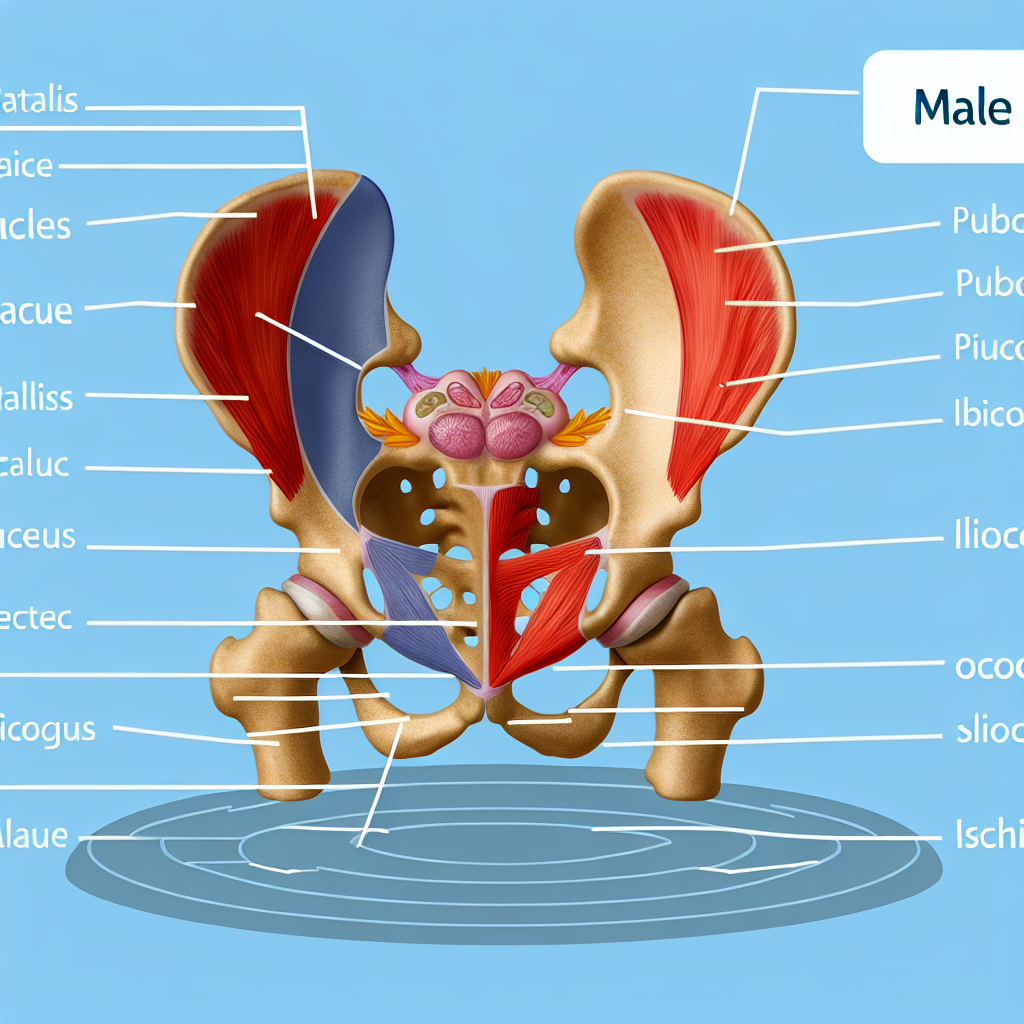
Male Pelvic Floor – Strength and Function Guide
Introduction
When people think about fitness, the pelvic floor is rarely part of the conversation—especially for men. However, the male pelvic floor plays a critical role in numerous bodily functions essential for quality of life. From sexual health to bladder and bowel control, these muscles are foundational parts of male physiology that deserve more attention.
The pelvic floor is a group of muscles spanning the base of the pelvis, supporting the bladder, bowel, and prostate. This muscular “hammock” stretches from the pubic bone to the tailbone and works alongside the core and hip muscles. In men, these muscles aid in maintaining urinary and bowel continence, erectile function, and control during ejaculation. Over time, factors such as aging, prostate surgery (e.g., prostatectomy), obesity, chronic coughing, or high-impact sports can weaken these muscles, leading to dysfunction.
Ignoring pelvic health can result in issues like urinary incontinence, erectile dysfunction (ED), bowel disturbances, pelvic pain, and reduced sexual performance. Cultural taboos and low awareness lead many men to ignore symptoms or avoid seeking help.
Fortunately, targeted interventions—including pelvic floor muscle training (PFMT), posture correction, and lifestyle modifications—have been proven effective. A comprehensive and proactive approach can improve function and confidence at any age. This guide helps you understand and strengthen these vital muscles to support long-term wellness.
Features: Medical Evidence and Studies on Male Pelvic Floor Health
As attention grows around men’s pelvic health, studies increasingly show the importance of maintaining strong pelvic floor muscles for optimal function:
– A study in the journal Urology evaluated men with urinary incontinence following radical prostatectomy. Participants who practiced pelvic floor exercises experienced “significantly reduced incontinence symptoms” compared to those who did not. This highlights the power of early pelvic floor intervention (Filocamo, F. et al., 2005).
– A publication in the Journal of Sexual Medicine focused on men with erectile dysfunction and showed that regular PFMT specifically improved penile rigidity and sexual endurance. Strengthening the bulbocavernosus muscle—key for erection and ejaculation—was especially impactful. Study available here (Dorey, G. et al., 2005).
– Young males are not exempt. Research in the journal Physiotherapy suggests that introducing pelvic floor awareness and exercise during adolescence creates a foundation for future prevention of pelvic dysfunction. These habits can be as important as proper posture or oral hygiene.
– A 2022 review in Therapeutic Advances in Urology took a multidimensional approach to male pelvic rehab. It found best outcomes with a combination of exercise, behavioral therapy, and manual treatments, over a 12-week span. Personalized regimens resulted in higher satisfaction scores and restored confidence. Read the full review here (Haxlett, A. et al., 2022).
– Technological aids such as biofeedback devices and mobile apps now assist men in activating the correct muscles. These tools offer real-time cues, helping users avoid using incorrect muscles like abs or glutes during training. They bridge the gap between theory and practice.
These findings confirm a vital insight: pelvic floor muscles in men are crucial—not optional. They affect how you move, urinate, have sex, and feel about your body. Strengthening them is an investment in lifelong performance and confidence.
How to Strengthen the Male Pelvic Floor
1. Identify the Muscles: To activate your pelvic floor muscles, try stopping urine midstream. These are the same muscles responsible for control. Only use this as a reference, not as an exercise.
2. Kegel Exercises for Men: Once you find the right muscles, contract them for 3–5 seconds, then release. Repeat for 10–15 repetitions, three times daily. Ensure your abs, glutes, and thighs stay relaxed to isolate the pelvic floor accurately. Over a few weeks, you should feel better control and possibly enhanced sensation during intercourse.
3. Engage in Core Synergy Exercises: Movements like planks, glute bridges, and bird-dog sequences strengthen your core, which works in unison with the pelvic floor. These exercises support spinal alignment, abdominal control, and diaphragmatic coordination.
4. Improve Breathing and Posture: Proper diaphragmatic breathing (inhaling deeply so that your belly expands) reduces downward pressure on your pelvic floor. Combine this with upright sitting and neutral spine alignment, especially during exercises or heavy lifting, to support pelvic health.
5. Seek Expert Support: If you’re recovering from prostate surgery or facing pelvic floor dysfunction symptoms like leaks or erectile issues, a pelvic floor physical therapist can provide customized assessment and programming. They can use internal and external techniques and even recommend biofeedback devices to rebuild strength effectively.
Conclusion
Male pelvic floor health is often misunderstood or overlooked, but it significantly contributes to a man’s overall vitality, self-confidence, and functional independence. These deep core muscles enable men to maintain continence, enhance sexual performance, and support better posture and movement as they age.
Thanks to mounting research and growing awareness, this area of health is being rightly recognized as essential. Whether starting young or making changes later in life, any man can benefit from taking pelvic floor health seriously. Through committed exercises, better habits, and expert guidance when needed, you can improve quality of life and long-term vitality starting today.
Remember, strength from the ground up isn’t just about glutes or thighs—it includes your pelvic floor. Honor it, train it, and it will serve you for life.
References
– Filocamo, F., et al. (2005). “Effectiveness of early pelvic floor rehabilitation in post-prostatectomy incontinence.” Urology. Read on PubMed
– Dorey, G., et al. (2005). “Pelvic floor exercises for erectile dysfunction.” The Journal of Sexual Medicine. View on ScienceDirect
– Stafford, R.E., et al. (2016). “A new understanding of male pelvic floor function.” Physiotherapy Theory and Practice. Explore on PubMed Central
– Haxlett, A., et al. (2022). “A comprehensive approach to male pelvic floor rehabilitation: combining disciplines for better outcomes.” Therapeutic Advances in Urology. Read on SAGE Journals
For more tips on improving men’s health throughout the lifespan, visit MensHealth911.com.
Concise Summary
The male pelvic floor is key to bladder control, sexual health, and core stability, yet often ignored. Weakness here can cause urinary incontinence, erectile dysfunction, and chronic pain. Thankfully, targeted training with Kegel exercises and core strengthening, along with proper posture and breathing, can restore muscle control and improve quality of life. Scientific studies confirm effectiveness post-prostate surgery and for improved sexual function. Integrated therapy offers the best outcome. Whether you’re 15 or 85, investing in pelvic floor health enhances long-term well-being, strength, and confidence. Start today for a healthier tomorrow.

Dominic E. is a passionate filmmaker navigating the exciting intersection of art and science. By day, he delves into the complexities of the human body as a full-time medical writer, meticulously translating intricate medical concepts into accessible and engaging narratives. By night, he explores the boundless realm of cinematic storytelling, crafting narratives that evoke emotion and challenge perspectives. Film Student and Full-time Medical Writer for ContentVendor.com