Male Hormone Optimization After 50
Introduction
Aging is inevitable, but its associated effects—such as fatigue, weight gain, muscle loss, and reduced libido—can often be managed with the right interventions, especially through male hormone optimization. For men over 50, a significant biological change is the decline in **testosterone** and other androgens. This phenomenon, often referred to as andropause, can impact performance, mental clarity, and mood, resembling a male form of menopause.
Though testosterone gradually decreases—by about 1% per year after age 30—by the time men reach their 50s and beyond, this dip may lead to noticeable symptoms: depression, low energy, decreased libido, increased fat, and cognitive challenges. Low testosterone is also linked to more serious concerns like osteoporosis, cardiovascular disease, and insulin resistance.
Thanks to medical advances, men can now manage these issues more effectively. From lifestyle changes and natural supplements to supervised hormone replacement therapy (HRT), today’s strategies aim to restore vitality and promote longevity. Medical intervention surrounding male hormones is no longer fringe; it is now widely practiced, with many men benefiting into their 70s, 80s, and 90s.
This article explores key approaches in hormone optimization, backed by science and practical steps to help men reclaim wellness and strength beyond age 50.
Features: Exploring Medical Research and Treatments
Research into male hormonal health has gained momentum over the last 20+ years. A pivotal study, The Testosterone Trials, published in 2016 in the New England Journal of Medicine, showed that testosterone replacement therapy (TRT) significantly enhances sexual function, mood, and mobility in older men with low testosterone. These results emphasized that hormone optimization delivers tangible benefits for men 65+ with deficiencies.
Beyond testosterone, male hormonal balance also includes other key players such as:
– DHEA (dehydroepiandrosterone)
– Growth hormone (GH)
– Estradiol (a form of estrogen) — vital in small amounts for men
– Thyroid hormones — regulate metabolism and brain function
The Mayo Clinic underscores how a holistic view of hormone health, beyond just testosterone, is essential for complete optimization.
Medical Options for Male Hormone Optimization
1. Bioidentical Hormone Replacement Therapy (BHRT)
Bioidentical hormones are made from plant sources and chemically mirror human hormones. They are customized and offered in various delivery systems: creams, gels, injections, and patches. Advocates suggest they possess fewer side effects compared to synthetics, offering precise hormone balance and improved symptom relief.
2. Clomiphene Citrate and hCG
Rather than supplementing testosterone directly, these medications stimulate the body’s own production pathways. Clomiphene boosts luteinizing hormone (LH) to jumpstart endogenous testosterone production, while hCG (human chorionic gonadotropin) mimics LH to support testicular function and sperm production—beneficial for men concerned with fertility.
3. Lifestyle Interventions
A landmark study in the Journal of Clinical Endocrinology and Metabolism supports that consistent lifestyle habits elevate testosterone naturally. Key actions include:
– Engaging in strength training and **HIIT** (high-intensity interval training)
– Getting 7 to 9 hours of **quality sleep** nightly
– Eating a nutrient-rich diet with sufficient **zinc, magnesium, and vitamin D**
– Managing **body fat percentage** through clean eating and activity
These habits not only enhance hormone levels but also improve overall metabolic health, sexual performance, and mental clarity.
4. Supplements
Several naturally derived supplements offer modest support in improving testosterone. These include:
– Ashwagandha: Adaptogenic herb shown to reduce stress and mildly raise testosterone
– Fenugreek: May assist with boosting libido and muscle strength
– Magnesium and Zinc: Critical micronutrients involved in testosterone synthesis
– DHEA: A precursor to testosterone, especially in older adults
Though not replacements for TRT, these can offer support for mildly symptomatic men or serve as adjunctive therapies.
Testosterone and Bone Health
Emerging data reveals that testosterone isn’t just about libido or energy; it’s also key for bone density. A 2017 meta-analysis in Osteoporosis International found TRT notably increases bone mass in the lumbar spine and femoral neck—crucial areas for fracture prevention in aging men.
Monitoring and Safety
While testosterone therapy is effective, it must be applied with precision. Regular lab testing is essential to:
– Track testosterone levels and other hormones
– Monitor PSA (prostate-specific antigen) to guard against prostate abnormalities
– Observe hematocrit and hemoglobin levels to avoid thickened blood
– Assess overall cardiovascular risk factors
Supervision from a hormone-knowledgeable healthcare provider ensures safety while targeting optimal symptom relief.
Conclusion
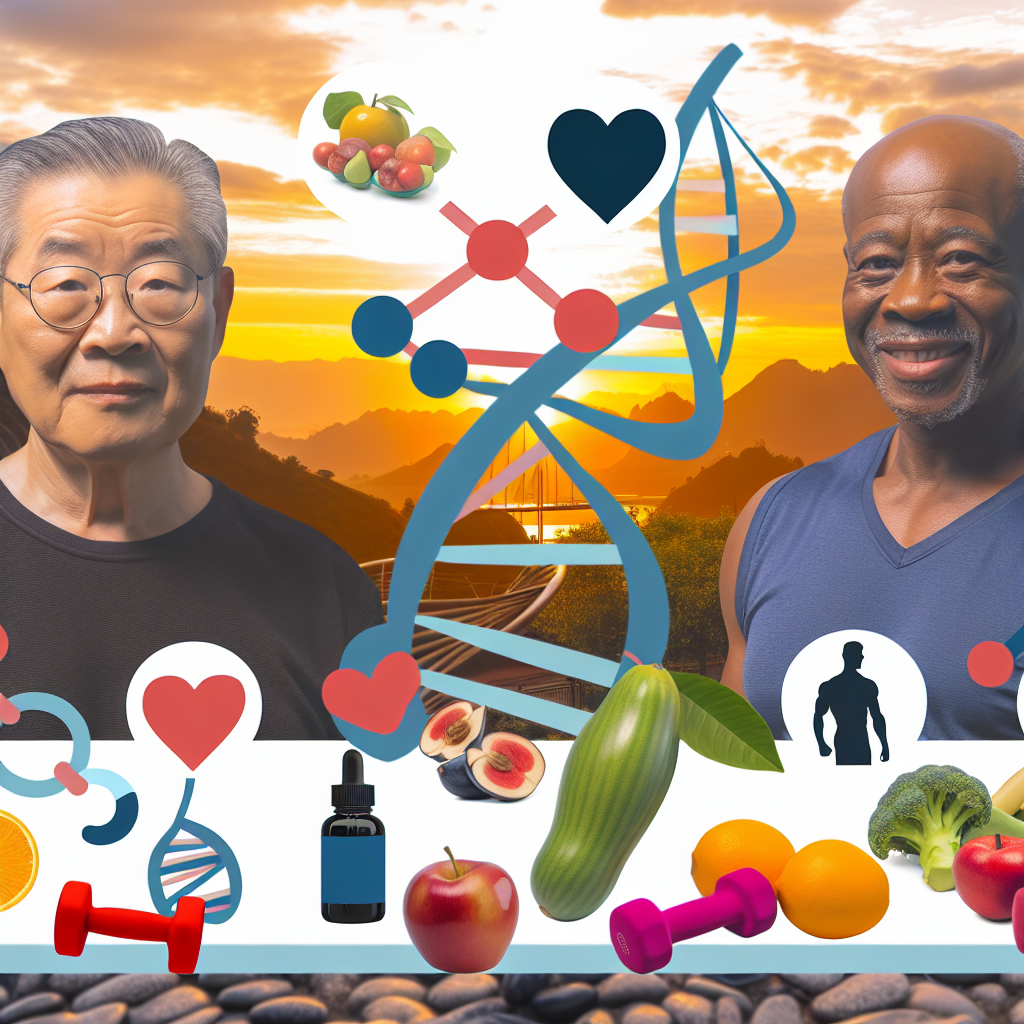
Optimizing men’s hormones after age 50 isn’t just a health trend—it’s a validated, science-backed avenue to achieving more energy, better mood, sharper cognition, and a stronger body well into the later decades of life. Declining testosterone and other hormone levels can now be addressed through means like BHRT, lifestyle changes, targeted supplements, and supportive pharmaceuticals like Clomiphene or hCG.
The first step is awareness—understanding that fatigue and lack of drive are not just part of “normal aging.” From there, men should pursue comprehensive hormone panels and partner with experienced medical professionals to determine the safest, most effective therapies. A commitment to proactive self-care can make the difference between surviving and thriving after 50.
Concise Summary
Male hormone optimization after 50 addresses age-related declines in testosterone and other vital hormones. Symptoms such as low energy, decreased libido, and weight gain are often treatable through strategies like bioidentical hormone therapy, lifestyle interventions, and supplements. Scientific studies confirm TRT enhances sexual function, mood, bone health, and more. Integrating medical guidance with diet, exercise, and regular monitoring empowers men to boost vitality, cognitive function, and longevity well into advanced age.
References
– The Testosterone Trials – New England Journal of Medicine
– Hormone Levels and Weight Loss – Journal of Clinical Endocrinology and Metabolism
– Testosterone Therapy and Bone Density – Osteoporosis International
– Mayo Clinic Overview on Male Hormone Health

Dominic E. is a passionate filmmaker navigating the exciting intersection of art and science. By day, he delves into the complexities of the human body as a full-time medical writer, meticulously translating intricate medical concepts into accessible and engaging narratives. By night, he explores the boundless realm of cinematic storytelling, crafting narratives that evoke emotion and challenge perspectives. Film Student and Full-time Medical Writer for ContentVendor.com