Sexual Performance Anxiety – Treatment Protocols
Introduction
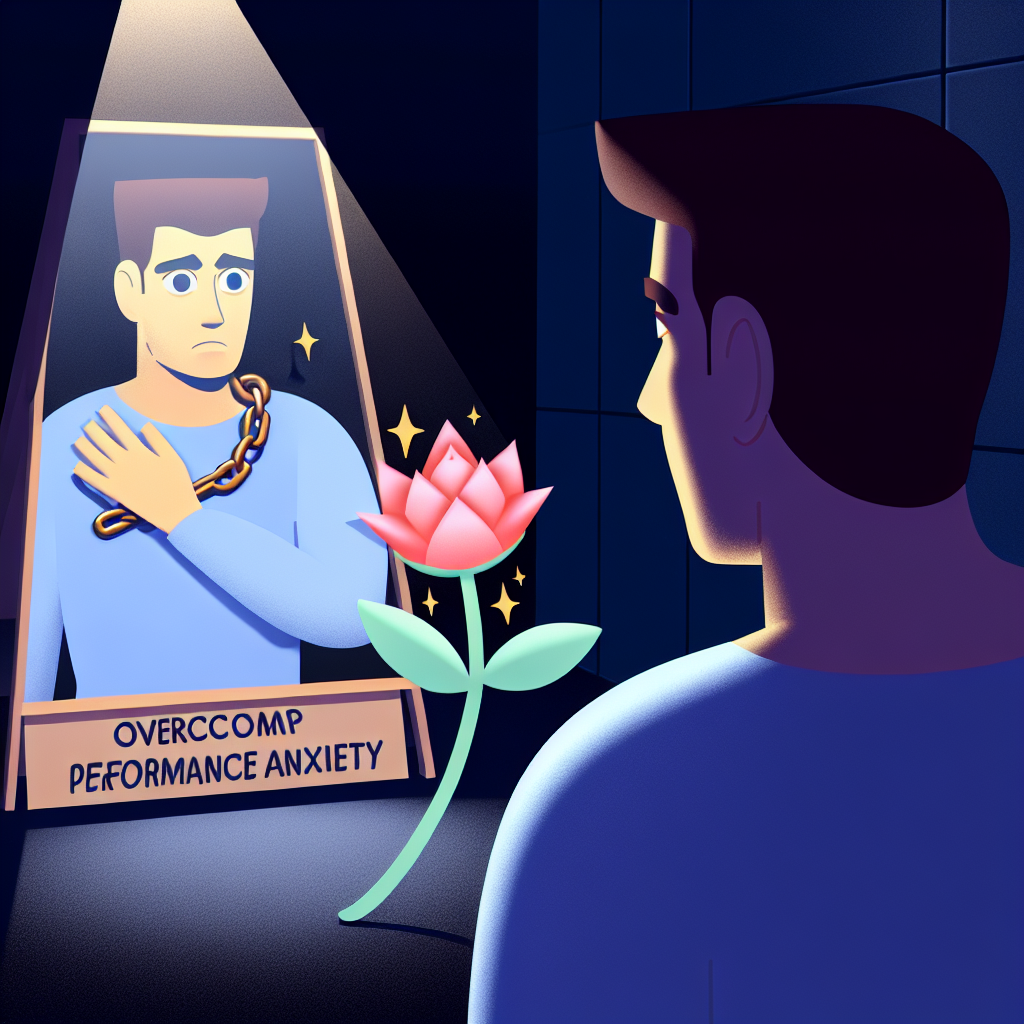
Sexual performance anxiety is a common but often unspoken issue affecting men of all ages—ranging from teenagers facing their first intimate experiences to older men redefining sexual health in later years. At its core, it involves significant worry or fear surrounding sexual performance that can negatively impact erectile function, lead to premature ejaculation, or result in avoidance of sex altogether.
Cultural expectations around masculinity and sexuality intensify this problem. Teens may carry unrealistic ideas formed by media, while middle-aged and older men may struggle with libido changes, health conditions, or past negative experiences. These pressures can create a self-perpetuating cycle where the fear of underperforming worsens the ability to enjoy intimacy.
This form of anxiety doesn’t solely stem from relationship problems or inexperience. It may also originate from mental health challenges like depression or generalized anxiety disorder, body image issues, substance abuse, or underlying medical conditions such as diabetes or cardiovascular disease. Recognizing sexual performance anxiety as a legitimate mental and physical health concern is vital in encouraging men to seek effective treatment options.
Fortunately, today’s options are abundant and varied. These range from cognitive-behavioral interventions and medication to lifestyle changes, mindfulness techniques, and couples therapy. The most effective plans are holistic and personalized, addressing both emotional wellness and relationship dynamics.
Features & Scientific Research
The medical field is increasingly acknowledging sexual performance anxiety as a clinical concern. A 2016 study in the International Journal of Impotence Research found that psychological issues like relationship conflicts and fear of failure significantly impair sexual performance. The same study highlighted cognitive-behavioral therapy (CBT) as a potent tool to reshape negative beliefs and build confidence during intimate encounters.
CBT stands as a cornerstone in treatment plans, supported by a meta-analysis in Sexual Medicine Reviews, which revealed participants undergoing CBT reported healthier attitudes toward sex, less anxiety, and better erectile function. These interventions often combine techniques such as journaling, reframing self-critical thoughts, guided relaxation, and gradual desensitization.
In terms of pharmacological support, medications target physiological and psychological components. Selective serotonin reuptake inhibitors (SSRIs) like paroxetine or sertraline help control premature ejaculation and reduce general anxiety. Phosphodiesterase type 5 inhibitors, such as sildenafil (Viagra) and tadalafil (Cialis), improve blood flow and erectile function, reinforcing self-efficacy. However, medical guidance is essential, especially for those with cardiovascular conditions or on other medications.
In recent years, mindfulness has become an influential therapy. A 2019 study in the Journal of Sex & Marital Therapy demonstrated that simple exercises like breath awareness and body scanning significantly reduced self-monitoring and increased pleasure during intimacy. Even short-term programs—six to eight weeks in length—help participants shift their focus from performance to connection.
Emerging digital therapies further enhance accessibility and comfort, particularly for younger individuals accustomed to mobile technology. Tools like app-based CBT and virtual reality exposure can recreate stress scenarios in controlled environments, helping users build tolerance and learn mindfulness strategies without in-person interaction.
A crucial aspect often overlooked is the partner’s role. Including partners in therapy can open communication lines and refocus intimacy from performance to shared experience. A 2018 study published in The Journal of Sexual Medicine found that couples who engaged in therapy together not only reduced sexual anxiety but also reported improved emotional connection and long-term relationship satisfaction.
Ultimately, successful protocols usually blend psychological, medical, and social components. According to the American Urological Association (2023), these approaches are most effective when adapted to a person’s age, health, history of trauma, and current relational dynamics.
Conclusion
Sexual performance anxiety affects men of all ages and can deeply impact emotional well-being, self-esteem, and relationships. Despite its prevalence, stigma continues to silence meaningful conversations and delay treatment. However, comprehensive studies prove that with tailored intervention—be it CBT, medications, mindfulness techniques, or partner therapy—recovery is not only possible but probable.
The first step is acknowledging that the issue is not a personal failing, but a multifaceted health challenge deserving compassionate and professional care. As awareness grows and digital tools remove barriers to support, more men are finding strength in vulnerability, rebuilding confidence, and sustaining fulfilling sexual relationships. If you or someone you know is coping with these challenges, take heart—effective help is within reach.
Concise Summary
Sexual performance anxiety is a widespread condition that affects men across all age groups, triggered by psychological, emotional, and physical factors. Fueled by societal expectations and self-imposed pressures, it can lead to erectile dysfunction, intimacy issues, and low self-esteem. Fortunately, a wide array of treatments are available—including CBT, mindfulness, medication, and partner therapy. Research shows that blended, holistic approaches yield the best outcomes. With increasing awareness and digital tools, more men can access the support they need to overcome anxiety and improve their sexual confidence and emotional well-being.
References
1. Rowland, D.L., & van Diest, S. (2016). “The psychosexual impact of sexual performance anxiety and erectile dysfunction in men.” International Journal of Impotence Research.
2. Brotto, L.A., & Basson, R. (2014). “Group mindfulness-based therapy significantly improves sexual desire in women.” Behavior Research and Therapy.
3. Mert D. Cincik, et al. (2019). “The role of mindfulness in sexual function and satisfaction.” Journal of Sex & Marital Therapy.
4. McCabe, M.P., et al. (2018). “Psychological Treatment of Sexual Dysfunction: 2004–2017.” The Journal of Sexual Medicine.
5. Melnik, T., & Soares, B. G. O. (2016). “Short and long-term effects of psychological interventions for erectile dysfunction.” Cochrane Database of Systematic Reviews.
6. American Urological Association. (2023). “Diagnosis and Treatment of Erectile Dysfunction.”
For more men’s health insights and expert resources, visit www.menshealth911.com.

Dominic E. is a passionate filmmaker navigating the exciting intersection of art and science. By day, he delves into the complexities of the human body as a full-time medical writer, meticulously translating intricate medical concepts into accessible and engaging narratives. By night, he explores the boundless realm of cinematic storytelling, crafting narratives that evoke emotion and challenge perspectives. Film Student and Full-time Medical Writer for ContentVendor.com