Male Fertility Optimization – Holistic Approach
Introduction
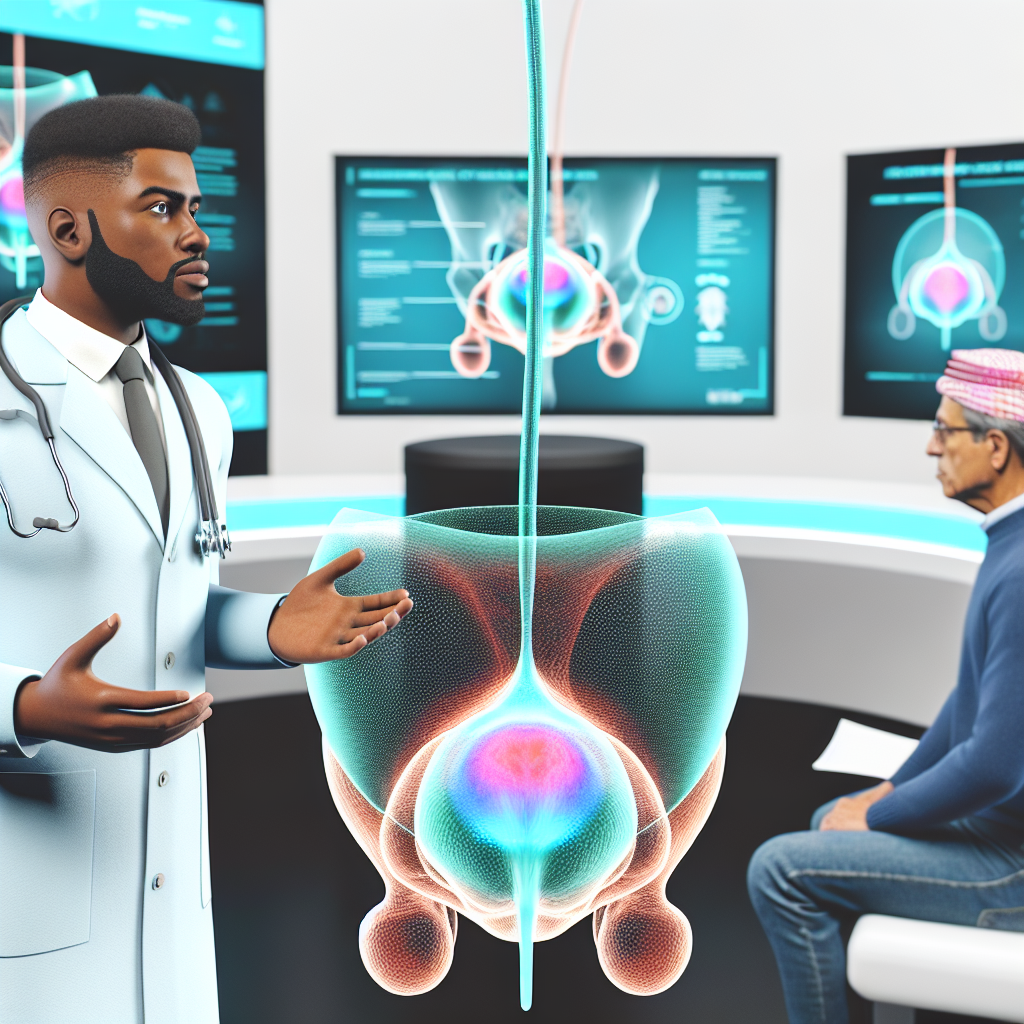
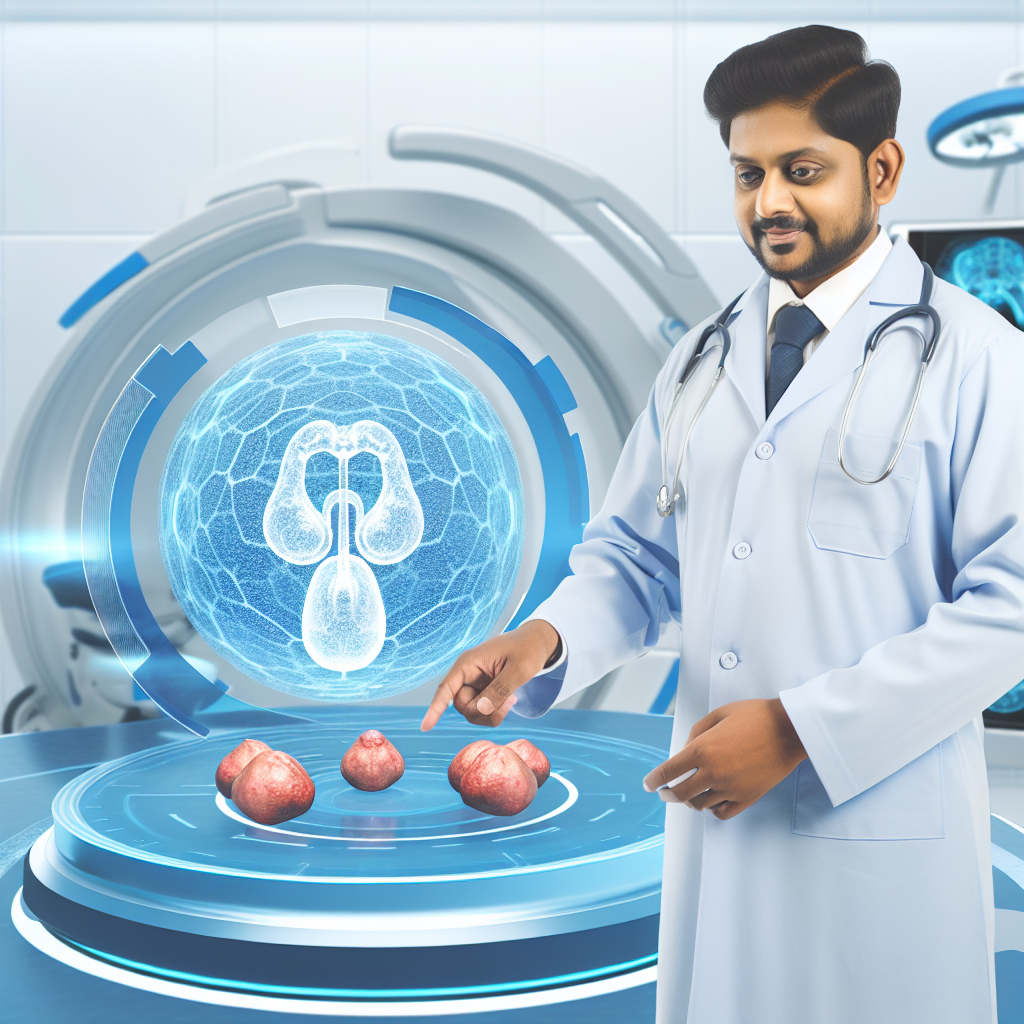
**Fertility** is often perceived as a predominantly female concern, but increasingly, medical research is acknowledging the critical role that male reproductive health plays in conception and healthy pregnancy outcomes. For men in the United States, from the teenage years through adulthood, understanding and caring for fertility is a key aspect of long-term well-being. While traditional treatments have focused on hormones or surgery, a modern, holistic approach is emerging—one that emphasizes nutrition, lifestyle modifications, mental health, and natural therapies.
Male infertility accounts for nearly 50% of all infertility cases worldwide, and approximately 9% of U.S. men experience reproductive challenges. Fertility is not only about the ability to conceive today—it reflects overall health status. Critical factors influencing male fertility such as oxidative stress, inflammation, poor diet, sleep deprivation, environmental toxins, and chronic stress can be modified through intentional holistic strategies.
Educating young men on reproductive health early in life is essential as early lifestyle decisions can impact long-term fertility. Even men in their 50s and beyond can benefit from practices that support testosterone levels, prostate function, and vitality, ultimately improving quality of life.
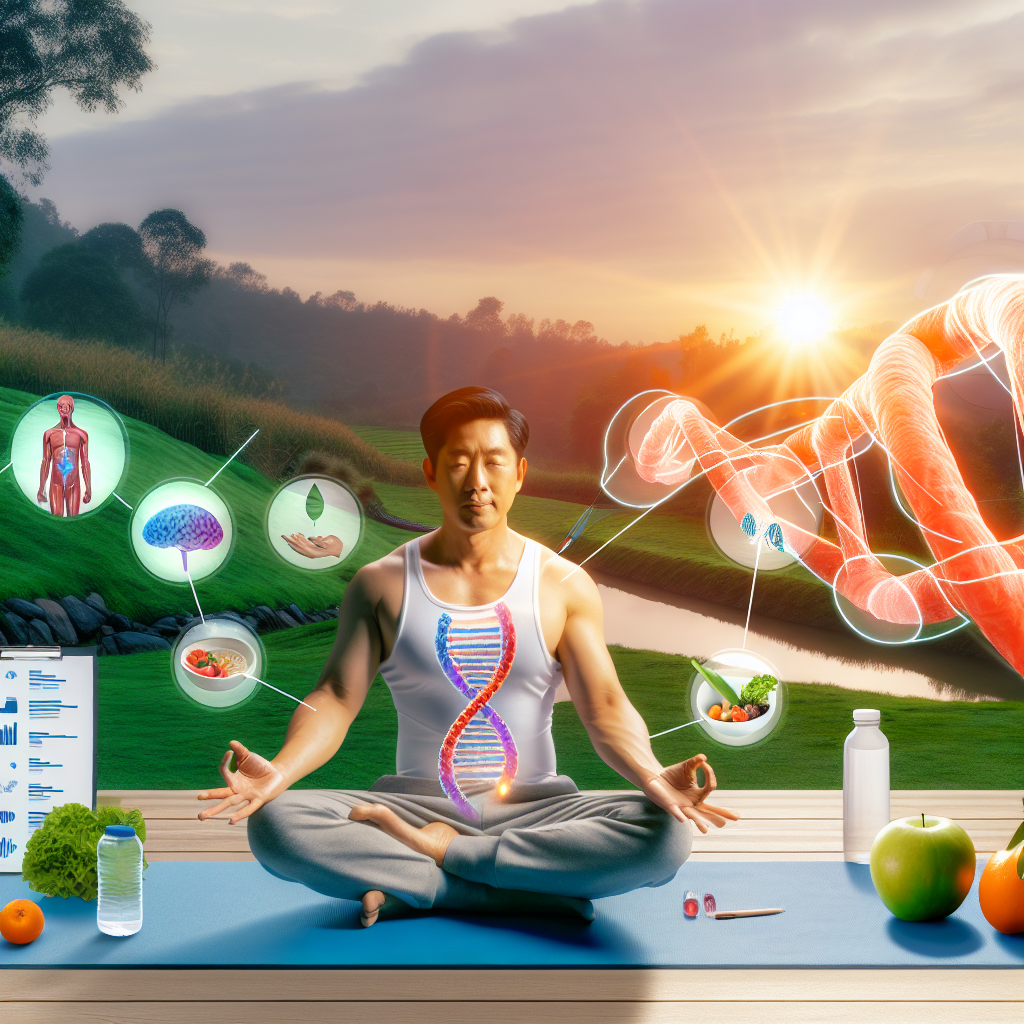
A holistic fertility approach doesn’t mean avoiding medical intervention—it means enhancing reproductive health through a whole-person strategy. Gut health, for instance, can affect hormones, while reducing exposure to endocrine disruptors in plastics and household chemicals can support sperm quality. Embracing nutrient-rich diets (e.g., Mediterranean), incorporating supplements like zinc, L-carnitine, and CoQ10, and managing physical health are now considered vital to fertility success.
This article dives into the latest research and recommendations from leading health communities to help men across all life stages take proactive steps to boost their reproductive health the natural way.
Features and Professional Studies
Optimizing male fertility holistically is grounded in recent findings from both conventional medicine and integrative healthcare. Here’s a breakdown of the science supporting these methods.
1. Diet and Fertility
Numerous clinical trials have linked dietary choices with reproductive function. A 2020 review in the journal Human Reproduction Update reviewed over 40 studies and 18,000 men, revealing that diets similar to the Mediterranean diet—rich in fruits, vegetables, legumes, fatty fish, whole grains, and healthy oils—were associated with higher sperm count, better motility, and morphology. In contrast, diets high in red meat, refined sugars, and trans fats were linked to lower sperm quality. Antioxidants in colorful plant-based foods may protect sperm DNA, which is vital for fertility and healthy embryo development.
2. Physical Fitness and Weight Management
Excess weight can impair reproductive hormones like testosterone and increase sperm DNA damage. A 2017 study from Fertility and Sterility found that men with high BMI often suffer from poor semen quality, including lower counts and motility. Adopting a regular exercise regimen—such as cardio, resistance training, or even daily walking—can stimulate testosterone production, improve sleep, support insulin sensitivity, and promote fertility-enhancing weight loss.
3. Supplementation
Several nutrients directly support sperm health and hormonal balance. In a 2018 randomized controlled trial published in The Journal of Urology, Coenzyme Q10 supplementation led to significantly improved sperm motility in just three months. Other proven fertility supplements include:
– Zinc: Essential for testosterone production and sperm development.
– L-carnitine: Enhances mitochondrial energy, aiding sperm motility.
– Folic acid: Helps in DNA synthesis crucial for proper sperm formation.
These supplements work best when combined with a nutrient-dense diet and proper medical guidance.
4. Stress and Mental Health
Chronic stress elevates cortisol—a hormone that antagonizes testosterone. A 2016 study in Reproductive Biology and Endocrinology found that higher cortisol levels were directly linked to reduced sperm concentration and semen volume. Incorporating mindfulness, yoga, deep breathing exercises, and therapy can help men manage psychological stress, ultimately enhancing endocrine balance and fertility potential.
5. Environmental Toxins
Exposure to chemicals such as BPA, phthalates, and heavy metals can impair sperm function by disrupting the body’s hormonal axis. A comprehensive 2020 meta-analysis in Environmental Health Perspectives confirmed these toxins’ reproductive risks. Men can reduce exposure by:
– Using glass or stainless-steel containers
– Avoiding plastic wrap in microwaves
– Choosing natural or organic grooming and cleaning products
These habits help reduce chronic inflammation and protect hormone function.
6. Sleep and Circadian Rhythm
Restful sleep is essential for hormone balance. Research published in Sleep showed that men sleeping fewer than 6 hours nightly had considerably lower levels of testosterone and abnormalities in sperm concentration. To promote fertility through sleep, men should aim for:
– 7–8 hours of uninterrupted sleep per night
– Reducing blue light exposure before bedtime
– Creating a consistent sleep-wake schedule
This practice supports natural melatonin release, which may also have antioxidant properties supportive of sperm health.
7. Sexual Health and Frequency of Ejaculation
Regular ejaculation plays a direct role in maintaining optimal semen quality. According to a 2016 report from the American Society for Reproductive Medicine, men who ejaculate every 2–3 days had higher-quality semen with less oxidative DNA damage than those who went longer between ejaculations. Frequent ejaculation prevents the accumulation of older sperm, ensuring a fresher, healthier sperm sample during conception efforts.
Conclusion
Male fertility is not predetermined—it reflects a man’s current internal and external health environment. With proper guidance and commitment to holistic practices, men can significantly enhance not only their reproductive potential but also their overall well-being.
By focusing on whole foods, smart supplementation, physical activity, detoxifying their environment, quality sleep, and managing stress, men equip themselves with lasting tools for reproductive and general vitality. These lifestyle-based interventions not only support conception but also improve heart health, hormones, and life satisfaction.
Empowering men with science-based, holistic tools ensures they are active participants in fertility planning and long-term wellness. It’s time to reframe fertility as a cornerstone of male health across the lifespan—not just a concern when planning a family.
Concise Summary
A holistic approach to male fertility supports reproductive health by integrating lifestyle strategies such as balanced diet, regular exercise, stress reduction, adequate sleep, and avoiding environmental toxins. Scientifically backed interventions—including specific supplements like CoQ10, zinc, and L-carnitine—benefit sperm quality, hormone levels, and overall vitality. Whether planning a family or improving health as men age, optimizing fertility is possible and essential. This approach empowers men to proactively shape their fertility outcomes, promoting not just conception but also lasting health, energy, and vitality.
References
– Human Reproduction Update: Diet and Sperm Quality
– Fertility and Sterility: Obesity and Male Infertility
– The Journal of Urology: CoQ10 Supplementation
– Reproductive Biology and Endocrinology: Stress and Reproductive Health
– Environmental Health Perspectives: BPA and Male Fertility
– Sleep: Sleep Duration and Testosterone
– American Society for Reproductive Medicine: Ejaculatory Frequency and Sperm Quality

Dominic E. is a passionate filmmaker navigating the exciting intersection of art and science. By day, he delves into the complexities of the human body as a full-time medical writer, meticulously translating intricate medical concepts into accessible and engaging narratives. By night, he explores the boundless realm of cinematic storytelling, crafting narratives that evoke emotion and challenge perspectives. Film Student and Full-time Medical Writer for ContentVendor.com